

TL;DR
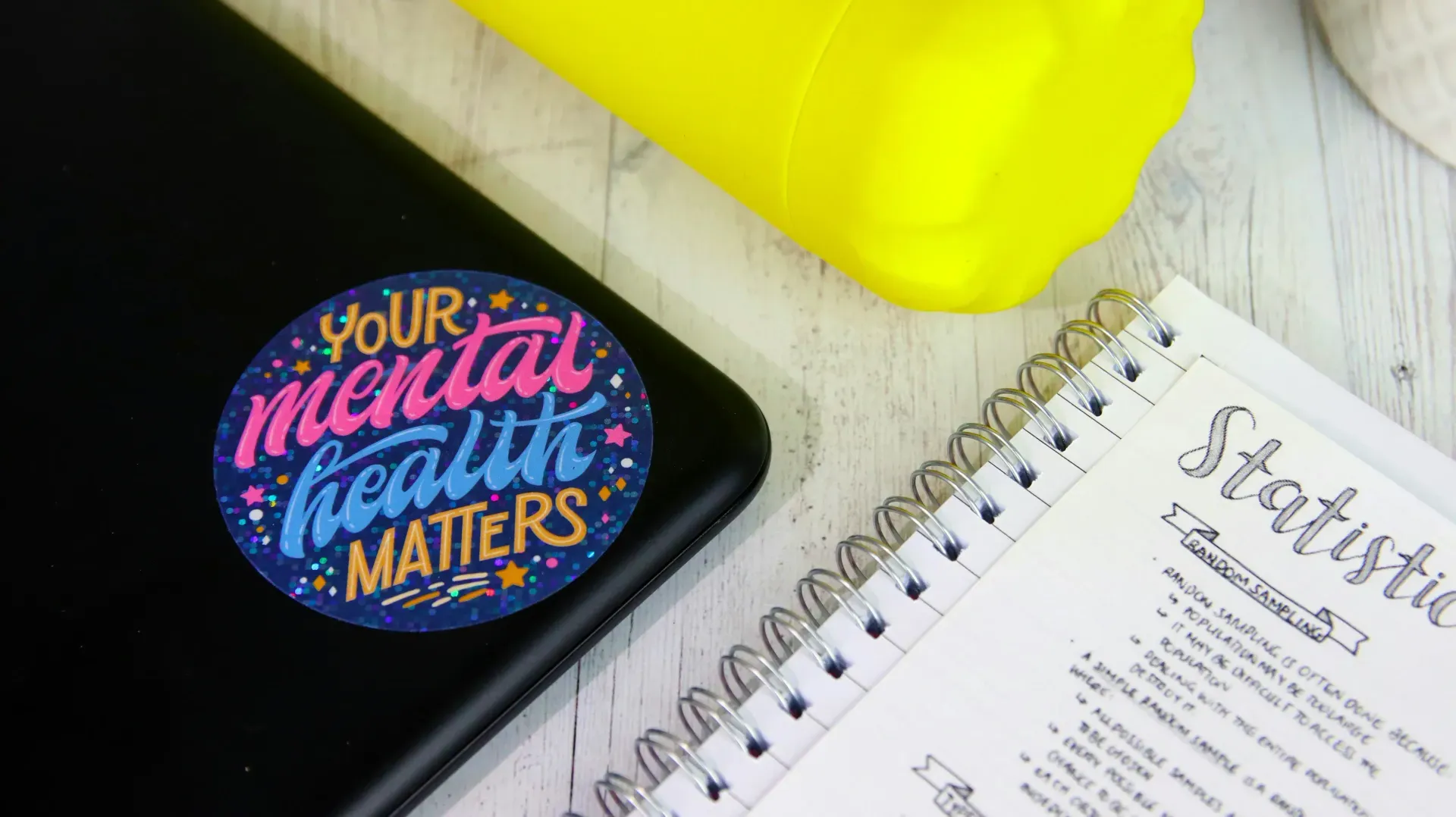
Mental Health Awareness Month highlights the importance of emotional well-being, stress management, and open conversations around mental health. It encourages people to recognize burnout, anxiety, loneliness, and digital overload before they become overwhelming. It helps reduce stigma around seeking support while promoting healthier habits, better workplace conversations, and earlier intervention. The goal is not just awareness, but making emotional care feel normal, accessible, and part of everyday life.
Try For Free
Stress has become part of daily life for many people. Some feel emotionally drained from work, while others struggle with anxiety, loneliness, burnout, or constant screen time. Many stay connected online all day but still feel isolated. Sleep problems, emotional exhaustion, and digital overload are becoming more common across all age groups.
These are some of the reasons why a Mental Health Awareness Month matters more than ever.
Mental health awareness helps people understand that emotional struggles are real and deserve attention just like physical health. It encourages open conversations, early support, and healthier habits before stress becomes harder to manage.
Every May, Mental Health Awareness Month creates space for people to talk about emotional well-being without shame or fear. It also reminds workplaces, schools, families, and communities that mental health support should not be ignored.
This guide explains what Mental Health Awareness Month is, why it exists, why May is connected to mental health awareness, and practical ways people can support mental well-being in 2026 and beyond.
Try For Free
What Is Mental Health Awareness Month?
Mental Health Awareness Month is observed every year during May. It focuses on educating people about mental health, reducing stigma, encouraging support, and improving access to care for those struggling emotionally.
The observance started in 1949 through Mental Health America. Since then, it has grown into a nationwide awareness movement that includes community events, workplace initiatives, educational campaigns, fundraising activities, and mental health advocacy programs.
Many people recognize the green ribbon as a symbol of mental health awareness. It represents hope, strength, and emotional support for people facing mental health challenges.
Mental Health Awareness Month is not only about mental illness. It also focuses on emotional well-being, stress management, self-care, and healthy coping habits. Someone does not need a diagnosed condition to benefit from mental health support. Stress, burnout, grief, loneliness, and emotional fatigue can affect anyone.
This is also where awareness and treatment differ. Awareness helps people recognize emotional struggles and talk about them openly. Treatment involves professional support such as therapy, counseling, or medical care when needed. Awareness creates the first step by helping people feel safer asking for help.
Today, mental health awareness reaches schools, workplaces, healthcare systems, online communities, and social media platforms. It has become an important global conversation because emotional well-being affects relationships, productivity, learning, and overall quality of life.
Try For Free
Why Is Mental Health Awareness Important in 2026?
Mental health challenges are becoming more visible every year. People are dealing with emotional pressure from work, finances, social media, relationships, and constant digital connection. Many feel mentally exhausted even when they appear fine on the outside.
In 2026, conversations around mental health are more important because emotional burnout is affecting people earlier and more intensely. Younger adults report higher stress levels. Remote workers often struggle with isolation. Students face academic pressure and social comparison online. Many employees feel emotionally drained from being constantly available through screens and notifications.
At the same time, stigma still prevents people from speaking openly about their mental health. Some worry about being judged. Others believe they should simply “push through” emotional struggles without support.
Mental health awareness helps change this mindset. It encourages people to recognize emotional challenges early, speak openly, and seek support before problems become more severe.
Try For Free
Mental Health Challenges People Face Today
- Burnout and workplace stress: Many employees feel pressure to stay productive all the time. Long hours, constant notifications, and blurred work-life boundaries make it difficult to disconnect mentally. Simple workplace changes like mental health breaks, flexible schedules, and emotional check-ins can help reduce burnout.
- Loneliness and social isolation: People are more digitally connected than ever, yet many still feel emotionally alone. Remote work and heavy screen use have reduced face-to-face interaction for many individuals. Building stronger personal connections and checking in on others regularly can help reduce loneliness.
- Social media fatigue: Endless scrolling, comparison culture, and online negativity can increase anxiety and self-doubt. Many people feel pressure to appear successful or constantly available online. Setting screen limits and taking regular digital breaks can improve emotional balance.
- Economic pressure and uncertainty: Rising living costs and financial stress affect emotional well-being deeply. Many people worry about job stability, debt, or future uncertainty. Open conversations, budgeting support, and stress management habits can help people feel more in control.
- Sleep disruption and digital overload: Many people spend hours on devices before sleeping, which overstimulates the brain and affects rest quality. Creating healthier nighttime routines and reducing screen use before bed can improve emotional well-being.
Mental health awareness helps people understand that these struggles are common and valid. It also reminds people that support is available and seeking help should never feel shameful.
Try For Free
Why Is May Mental Health Awareness Month?
The answer goes back to 1949, when Mental Health America launched the initiative to educate the public about mental health and reduce the stigma surrounding emotional struggles.
At the time, mental health was rarely discussed openly. Many people suffered in silence because they feared judgement or misunderstanding. The goal of Mental Health Awareness Month was to create national conversations around emotional well-being and encourage people to seek support earlier.
May was chosen as a dedicated month for awareness campaigns, public outreach, educational events, and community programs. Over time, the observance expanded beyond local events and became a larger national movement supported by healthcare organizations, schools, workplaces, and advocacy groups.
May continues to serve as an important reminder that emotional well-being deserves attention throughout society, not only during moments of crisis.
Try For Free
Is Mental Health Awareness Month Global?
Mental Health Awareness Month is mainly recognized in the United States during May. However, mental health awareness itself has become a global movement supported by countries, organizations, schools, and healthcare systems around the world.
Different countries observe mental health awareness in different ways. In the United Kingdom, Mental Health Awareness Week takes place during May and focuses on emotional well-being, education, and public support campaigns. Many other countries also organize local awareness initiatives, workplace programs, and community events throughout the year.
Another major global observance is World Mental Health Day, held every year on October 10. It is supported by the World Health Organization and mental health organizations across multiple countries.
Try For Free
The Importance of Mental Health Awareness in Daily Life

Mental health awareness is not only about campaigns or social media posts. It affects how people treat themselves and others every day. Awareness helps people notice emotional struggles earlier and respond with more understanding instead of judgement.
Small actions often make a bigger difference than people realize.
Try For Free
Recognizing Emotional Struggles Early
Many people ignore emotional stress until it becomes overwhelming. They may dismiss burnout, anxiety, or sadness as something temporary. Mental health awareness helps people recognize early signs before they grow more serious, which can lead to faster support.
Helping Friends and Family
Awareness also improves how people support those around them. A simple check-in message or honest conversation can help someone feel less alone. Many people struggling emotionally only need someone who listens without judgement.
Reducing Shame Around Therapy
Some people still feel embarrassed about asking for professional help. Mental health awareness helps normalize therapy, counseling, and emotional support. Seeking help should be viewed the same way as visiting a doctor for physical health concerns.
Building Supportive Workplaces and Schools
Schools and workplaces play an important role in emotional well-being. Supportive environments encourage people to speak openly about stress and burnout without fear. Mental health awareness also encourages healthier policies like mental health days, counseling support, and emotional wellness programs.
Encouraging Healthier Habits
Awareness encourages people to build habits that support emotional well-being. This may include mindfulness practices, journaling, meditation, exercise, healthy sleep routines, or taking breaks from screens. Emotional wellness often improves through small and consistent daily actions.
Mental health companion tools like Yuna also help some people build emotional reflection habits through guided journaling, mindfulness exercises, and stress management support in a private way.
Try For Free
Mental Health Awareness Month Activities
Mental Health Awareness Month activities help people start conversations, reduce stigma, and create supportive environments. The best activities are simple, practical, and easy for people to participate in regularly.
Workplace Wellness Activities
Workplaces can organize mental health activities and workshops that teach employees about stress management, burnout prevention, and emotional well-being. These sessions work better when they feel practical instead of overly formal.
Burnout discussions also help employees feel less isolated. Teams can create safe spaces where employees talk openly about workload pressure and emotional fatigue.
Some companies now introduce no-meeting days to reduce mental exhaustion from constant virtual calls. Emotional check-ins during team meetings can also help managers understand how employees are feeling beyond productivity numbers.
Try For Free
School and College Activities
Schools and colleges can organize awareness events focused on emotional well-being and stress management. These events help students understand that mental health struggles are common and support is available.
Peer support groups are also helpful because students often feel more comfortable speaking with people their own age. Mindfulness sessions, breathing exercises, and journaling workshops can help students manage academic pressure more effectively.
Try For Free
Social Media Awareness Campaigns
Social media can spread awareness quickly when used thoughtfully. People often share personal stories during Mental Health Awareness Month to help others feel understood and less alone.
Green ribbon campaigns, educational posts, and short emotional wellness videos can help start meaningful conversations online. Instead of posting generic quotes, creators should focus on relatable experiences and practical mental health advice.
Try For Free
Personal Mental Health Activities
Personal mental health activities help people slow down and reconnect with themselves. Journaling helps organize thoughts and process emotions more clearly. Meditation and mindfulness practices help reduce stress and improve emotional awareness.
Some people also benefit from digital detox periods where they reduce screen time and social media use. Gratitude exercises and therapy sessions can also support emotional balance and self-awareness over time.
Try For Free
Community Activities
Communities often organize walks, support groups, fundraising events, and volunteering programs during Mental Health Awareness Month. These activities help people feel connected while supporting awareness initiatives.
Local libraries, schools, wellness centers, and nonprofits can also host mental health education sessions or community conversations. Events feel more effective when they encourage honest discussion instead of only spreading information.
Try For Free
Mental Health Awareness and Technology

Technology is changing how people approach emotional wellness. In the past, support mostly depended on in-person conversations, therapy appointments, or local mental health resources. Today, people can access emotional wellness tools directly from their phones at any time.
Mental health apps have become more popular because they offer support in ways that feel flexible, private, and easier to access. Many people feel more comfortable starting with digital support before speaking to a therapist or counselor. This is especially common among younger audiences who already use apps to manage daily routines, habits, and personal growth.
Try For Free
AI emotional wellness tools are also becoming part of modern mental health conversations. These tools do not replace professional care, but they can help people build healthier emotional habits through:
- mindfulness exercises
- stress management tools
- guided journaling
- emotional reflection prompts
- breathing and grounding exercises
Technology also improves accessibility. Someone dealing with stress late at night may not have immediate access to traditional support, but they can still use an AI mental health coach like Yuna to calm their thoughts and process emotions in healthy ways.
At the same time, digital mental health tools should be used responsibly. The healthiest approach combines technology, human connection, emotional education, and professional care when needed.
Try For Free
How Yuna Supports Emotional Wellness
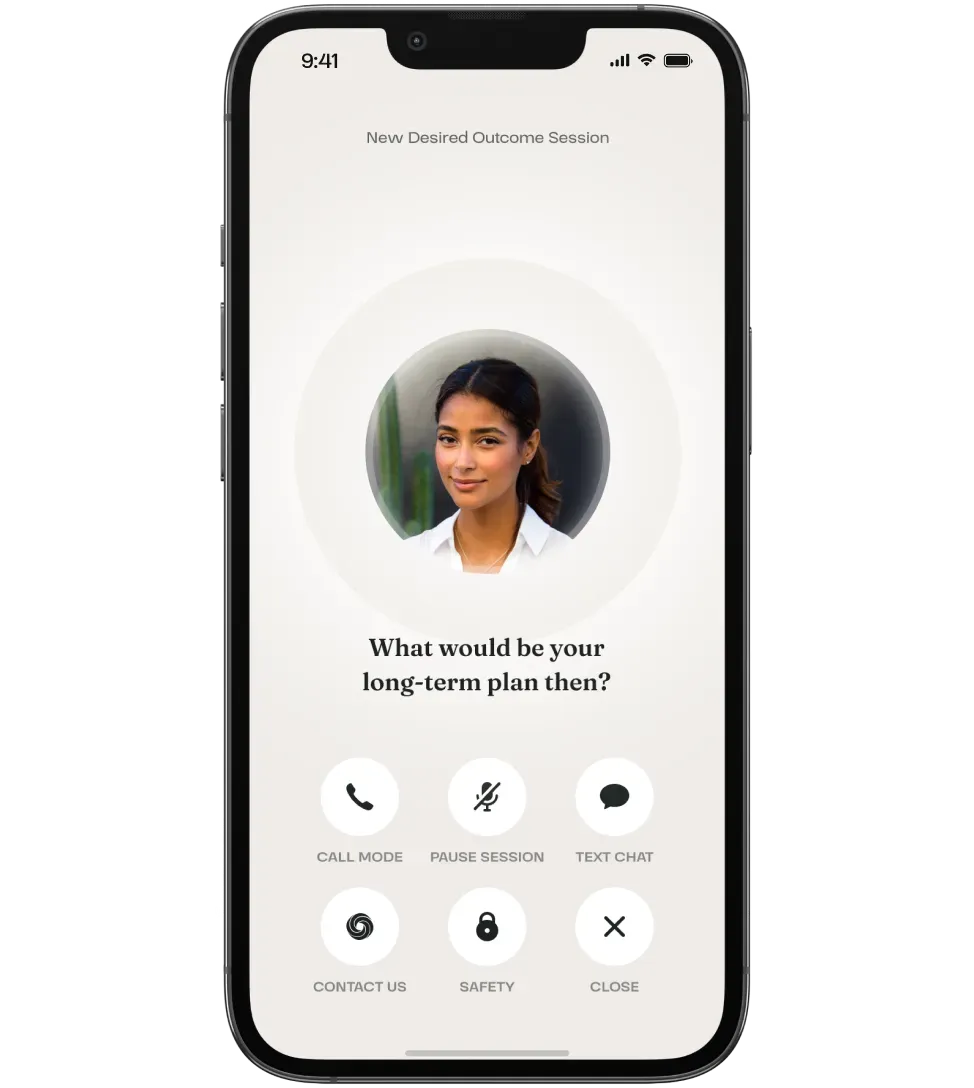
Yuna is a part of this growing shift toward accessible emotional support. Yuna acts as a wellness coach and helps people reflect on emotions through guided conversations, mindfulness exercises, stress management support, and journaling prompts. Yuna lets you express thoughts privately without fear of judgement and offers a simple way to build emotional awareness during stressful periods.
Try For Free
How to Support Mental Health Awareness Beyond May
Mental health awareness should continue long after May ends. Emotional well-being affects daily life throughout the year, not only during awareness campaigns. Small and consistent actions often make the biggest difference.
Start More Open Conversations
Many people hide emotional struggles because they fear judgement or misunderstanding. Simple conversations can help reduce that fear.
Ways to do this:
- check in on friends regularly
- ask people how they are feeling
- listen without trying to “fix” everything
- speak openly about stress and emotional health
Open conversations help normalize emotional support and make people feel less alone.
Try For Free
Build Healthier Daily Habits
Small habits can improve emotional well-being over time. Consistency matters more than perfection.
Helpful habits include:
- taking mental breaks during work
- protecting sleep routines
- reducing screen overload
- practicing mindfulness or meditation
- journaling thoughts and emotions
- spending time offline
These habits help reduce emotional exhaustion and improve mental balance.
Try For Free
Support Mental Health in Workplaces and Schools
Schools and workplaces play a major role in emotional well-being. Supportive environments make it easier for people to speak openly and seek help earlier.
Organizations can support awareness by:
- offering mental health resources
- creating flexible work policies
- encouraging emotional wellness programs
- supporting burnout prevention discussions
- promoting healthier work-life balance
Small policy changes can create healthier environments over time.
Try For Free
Learn to Recognize Emotional Struggles Early
Many people ignore stress until it becomes overwhelming. Emotional education helps people recognize early signs of burnout, anxiety, loneliness, or emotional fatigue.
Recognizing these signs early allows people to:
- seek support sooner
- improve coping habits
- reduce emotional pressure before it grows
Awareness becomes more powerful when people understand what emotional struggles actually look like in daily life.
Try For Free
Make Self-Care More Realistic
Self-care does not always mean expensive wellness routines or perfect habits. Sometimes it simply means resting, setting boundaries, asking for help, or taking time away from stress.
Mental health awareness becomes more meaningful when it turns into practical daily action instead of a once-a-year conversation.
Try For Free
Mental Health Awareness with Yuna
Mental health awareness starts with small moments of understanding, support, and compassion. Many people are silently dealing with stress, burnout, loneliness, or emotional exhaustion while trying to manage daily responsibilities. Sometimes the most helpful thing is simply having a safe space to slow down and reflect.
This is where a mental health AI chatbot like Yuna can support emotional well-being in a gentle and accessible way. Yuna helps people build healthier emotional habits through mindfulness exercises, guided journaling, emotional reflection, and stress management support.
Not everyone feels ready to talk openly about mental health right away. Some people prefer private tools that help them process emotions at their own pace. That’s why emotional wellness support should feel approachable, supportive, and free from judgement.
Small actions, honest conversations, and consistent support can help people feel less alone and more understood.
Try For Free
FAQs
When is Mental Health Awareness Month?
Mental Health Awareness Month takes place every year during May. The observance focuses on raising awareness about emotional well-being, reducing stigma, encouraging support, and educating people about mental health challenges and available resources.
Is May Mental Health Awareness Month?
Yes, May is officially recognized as Mental Health Awareness Month in the United States. The observance began in 1949 through Mental Health America and continues today through awareness campaigns, educational programs, and community initiatives focused on emotional well-being.
Why is mental health awareness important?
Mental health awareness helps people recognize emotional struggles early and encourages open conversations without shame or judgement. It also improves understanding around stress, burnout, anxiety, depression, and emotional wellness while helping more people feel comfortable seeking support when needed.
Try For Free