

Many people go to work or school every day while feeling overwhelmed inside. They try to stay focused, but stress keeps returning. Anxiety builds quietly, while burnout becomes normal. Across age groups, emotional strain is rising and access to traditional care remains difficult for many people.
Long wait times, high costs, and location limits stop people from seeking help. Stigma also plays a role. Some people do not feel safe opening up to others. This has created a growing need for private and flexible support. This is where mental health apps have become important.
Today, mental health apps act as entry points to emotional support. They help people reflect, calm their thoughts, and build coping habits. These tools do not replace therapy, instead they support daily mental well-being. For many users, this first step feels safer.
So, what are mental health apps really offering?
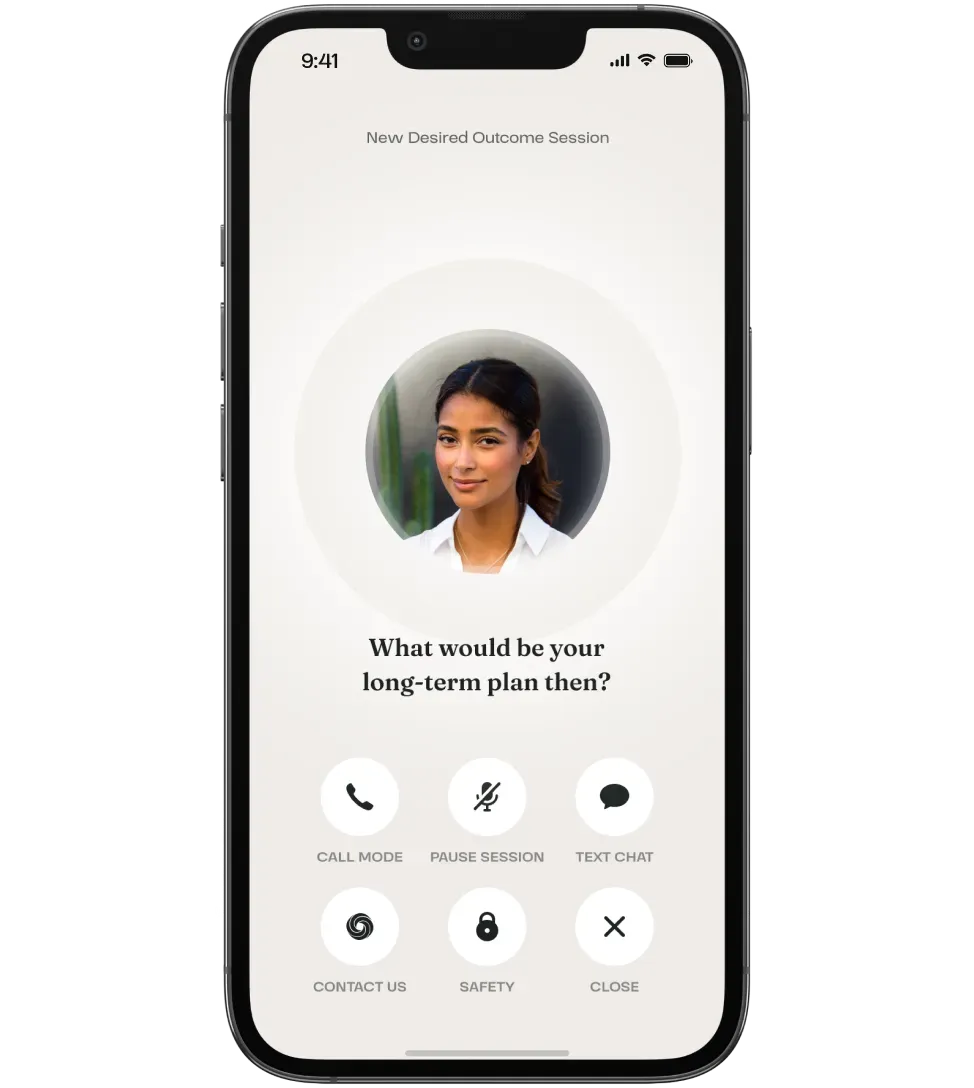
They provide structure, guidance, and emotional awareness. Apps like Yuna focus on gentle daily support. Yuna works as a mental health AI coach. It helps users check in with themselves without pressure. This approach fits people who want support but are not ready for therapy.
What Are Mental Health Apps?
Mental health apps are mobile or web-based tools that support emotional well-being. They help users understand their thoughts, emotions, and stress patterns. These apps are often used on smartphones for daily access.
Most mental health apps include tools such as mood tracking and journaling. Many offer grounding exercises and breathing prompts While some focus on stress management, others support emotional reflection. These features help users build awareness over time.
There are different types of apps in this space. Wellness apps focus on relaxation and mindfulness. Therapy apps connect users with licensed professionals. Coaching-based apps offer guided self-support. Yuna belongs to this third group.
Yuna works as a mental health AI coach by supporting daily emotional habits. It does not diagnose or treat conditions. Instead, it helps users reflect, pause, and ground themselves. This makes it useful for everyday emotional care.
What Do Mental Health Apps Actually Do?
People often wonder what results they can expect. Mental health apps for anxiety and stress work best when used regularly. They support habits, not quick fixes.
Help Users Build Coping Skills
Many mental health apps teach practical coping skills. These include breathing techniques and grounding exercises. Over time, users learn how to calm their nervous system. This can reduce emotional overload during the day.
Support Emotional Awareness
Apps encourage users to notice patterns. Journaling and mood tracking help people understand triggers. This awareness builds emotional clarity. It also helps users respond instead of reacting.
Reduce Daily Stress
Short exercises can lower stress levels. Even a few minutes of reflection can create space. Mental health apps for anxiety often focus on these small moments and help users reset during busy days.

Offer Structure During Difficult Moments
When thoughts feel scattered, structure helps. Apps guide users step by step. This can feel reassuring when emotions feel heavy.
Support Between Therapy Sessions
Some users are already in therapy, while others plan to start later. Mental health apps help bridge that gap. Yuna supports daily reflection between sessions. It keeps emotional care consistent.
Why Mental Health Apps Are Important Today
The need for emotional support is growing. Research shows that nearly one in four adults experience mental health challenges. Many never receive formal care. Cost and access remain major barriers.
This is where evidence-based mental health apps play a role. These tools make support more accessible. They fit busy schedules, offer privacy, and users can engage on their own terms.
Many people prefer self-guided support. They want tools they can use quietly and apps allow this. They also reduce stigma as opening an app feels easier than booking an appointment.
There is also growing research behind digital tools. CBT-inspired exercises and mindfulness practices show positive outcomes for mild stress and anxiety. This does not mean apps replace care. It means they complement it.
Yuna follows this approach. It uses evidence-based techniques and focuses on reflection and grounding. It avoids medical claims. This builds trust over time.
Mental Health Apps for Different Life Stages
Different people face different pressures. Mental health apps often adapt to these needs.
Mental Health Apps for Students
Mental health apps for students help with academic pressure. Exams, deadlines, and isolation can affect sleep and mood. Apps help students manage anxiety and also support focus and emotional balance.
Students often prefer tools they can use privately and apps provide that space. Yuna supports students through short daily check-ins. This fits busy academic schedules.
Mental Health Apps for Adults
Mental health apps for adults focus on work stress and burnout. Many adults juggle careers, family, and personal life, resulting in emotional fatigue.
Mental health apps help adults pause and reflect. They support emotional regulation during workdays. Yuna works well here by offering flexible daily use. This helps adults stay grounded without pressure.
Are Mental Health Apps Safe and Secure?
Safety matters when using digital tools. Many users ask how secure is data in digital mental health apps. This concern is valid.
Not all apps follow strong privacy practices. Some collect more data than needed, while others lack clear consent policies. There is also limited regulation for wellness apps.
Users should review privacy policies carefully. They should look for encryption and data control. As transparency is important, apps should explain how data is stored and used.
That’s why Yuna places a strong focus on safety. Data is encrypted and users control their information. Personal data is not sold. Consent is clear and simple.
Yuna also respects boundaries. It does not replace therapy. Crisis cases are handled through guidance toward human support. This keeps users safe and supported.
What Are the Best Apps for Mental Health?
The best apps for mental health depend on needs, comfort, and goals. Some apps focus on meditation. Others focus on therapy access. A few focus on daily emotional habits.
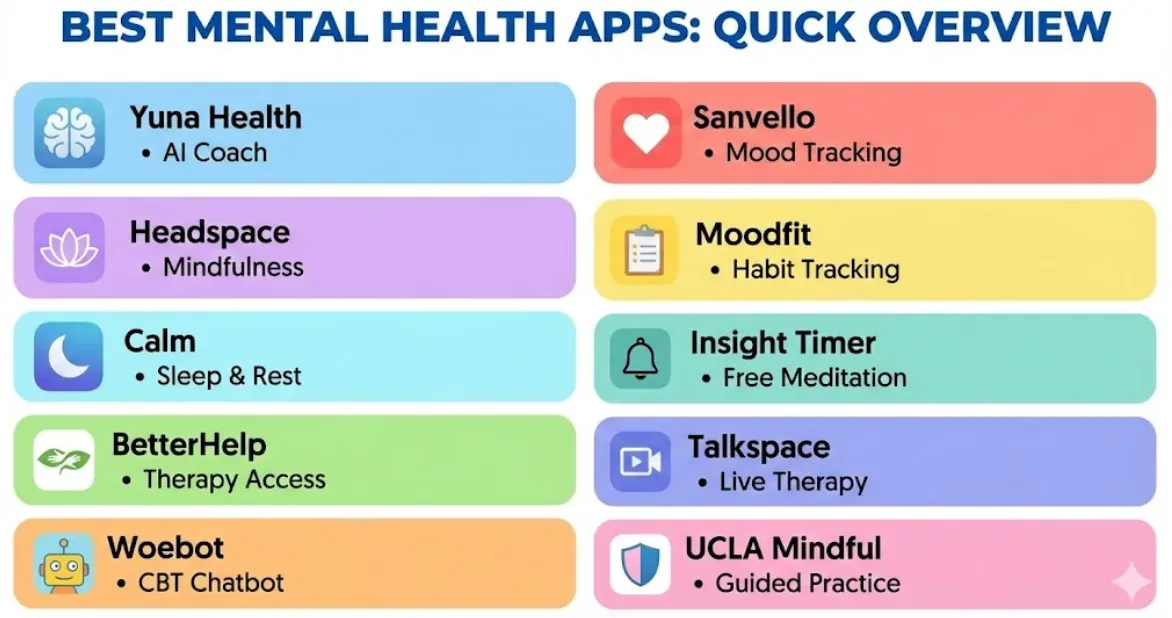
Below is a neutral overview of top mental health apps seen across search results. This list reflects common use cases, not rankings.
- Yuna Health - An AI mental health coach focused on daily emotional support, reflection, and grounding. Best for people who want private and steady emotional care
- Headspace - A mindfulness app centered on meditation and stress reduction. Often used for relaxation and sleep routines
- Calm - Known for sleep content and calming audio. Useful for people struggling with rest and nighttime anxiety
- BetterHelp - A therapy marketplace that connects users with licensed therapists through text or video sessions
- Woebot - A CBT-style chatbot that offers structured conversations and mood tracking
- Sanvello - Focuses on mood tracking and coping tools for anxiety and stress
- Moodfit - Tracks mood and habits with charts and exercises
- Insight Timer - Offers a large library of free meditation content
- Talkspace - Provides therapy access through messaging and live sessions
- UCLA Mindful - A free app focused on guided mindfulness practices
This variety shows that mental health apps serve different needs.
Why Yuna Stands Out Among Mental Health Apps
Many users feel confused when comparing options. Yuna stands apart by design and intention as it works as a mental health coach, not a therapist.
Coaching Model Over Therapy Claims
Some apps claim to offer therapy without clear limits. Yuna avoids this as it supports emotional habits. It does not diagnose or treat conditions. This clarity builds trust.
Daily Emotional Consistency
Yuna supports small daily check-ins. These moments help users stay connected to their emotions. This consistency matters more than occasional deep sessions for many people.
AI With Clear Boundaries
Yuna sets limits. It does not replace human care. It encourages outside help when needed. This protects users and avoids false expectations.
Focus on Reflection and Grounding
Yuna emphasizes journaling, grounding, and calm reflection. These tools support emotional awareness. They also reduce mental overload during busy days.
Designed for Long-Term Use
Some apps focus only on crisis moments. Yuna supports everyday emotional care. This makes it suitable for long-term use across life stages.
This balance helps position Yuna among the best mental health apps for daily emotional support.
Therapy Apps vs Mental Health AI Coaches
Many people confuse therapy apps with coaching tools. These serve different roles.
Therapy apps connect users with licensed professionals. They are suited for clinical care. They often involve scheduled sessions and higher costs.
Mental health AI coaches support daily habits. They offer reflection tools and emotional guidance. They work well between therapy sessions or before starting therapy.
Yuna fits the second category. It complements therapy instead of replacing it. This makes it useful for people seeking ongoing emotional support.
Understanding this difference helps users choose wisely.

Who Should Use Mental Health Apps and Who Should Not
Mental health apps help many people. They are a good fit for mild to moderate stress and support emotional awareness with coping skills.
They are helpful for students, working adults, and caregivers. They suit people who prefer private self-guided support.
However, apps are not suitable for crisis situations. Severe depression or suicidal thoughts need professional care. Apps should guide users toward help in these cases.
Yuna makes this boundary clear. It supports daily care and encourages human support when needed.
This honesty strengthens trust.
How to Choose the Right Mental Health App
Choosing among the best mental health apps takes care. Users should ask a few key questions.
- First, check if the app uses evidence-based methods. CBT-inspired tools are common and helpful.
- Second, review privacy policies. Users should know how data is stored and protected.
- Third, look for realistic claims. Apps should not promise cures.
- Fourth, assess ease of use. Simple design helps long-term engagement.
- Finally, consider emotional safety. The app should respect boundaries and guide users responsibly.
Yuna aligns with these principles. It focuses on safety, clarity, and daily support.
The Future of Mental Health Apps
The future of mental health apps is moving toward daily support rather than one-time use. People want tools that fit into real life and support that feels calm and private.
AI will play a bigger role. It will help apps understand patterns and habits and suggest gentle prompts at the right time. This works best when AI stays within limits.
Human care will remain essential. Apps should support, not replace, professional help. Ethical design and transparency will matter more than new features.
Personalization will also improve. Users will expect apps to adapt to their pace and needs. Emotional safety will become a standard, not a bonus.
Yuna fits this future well. It focuses on steady emotional care, while respecting boundaries. It supports people day by day without pressure.
Mental Health Apps and Where Yuna Fits Best
Mental health apps are tools not cures. The most helpful apps respect this role.
Strong apps focus on privacy, safety, and realistic outcomes. They help users build habits that support emotional balance. They do not make promises they cannot keep.
Yuna works as an AI mental health coach. It supports reflection, grounding, and journaling. It offers calm conversations during busy or stressful moments. It does not replace therapy but complements it.
For people who want daily emotional support without stigma, Yuna fits well. It supports students, professionals, and adults who want steady care.
Among mental health apps, Yuna stands for balance, clarity, and trust.
FAQs
What are mental health apps used for?
Mental health apps support emotional well-being. They help users manage stress, track moods, and build coping skills. Many offer journaling or grounding tools. Some support anxiety or sleep issues. They work best as daily support tools, not clinical treatment.
Are mental health apps effective?
Mental health apps can be helpful for mild to moderate stress. Evidence-based mental health apps often use CBT-inspired techniques. Effectiveness depends on regular use and realistic expectations. Apps support habits over time. They work best when paired with self-awareness and care.
Are mental health apps safe?
Safety depends on the app. Users should review privacy policies and data practices. Some apps protect data well. Others may not. Yuna uses encrypted data and clear consent. Users control their information. Safety should always come first.
What is the best mental health app for anxiety?
The best app varies by person. Some prefer meditation apps. Others want journaling or grounding support. Mental health apps for anxiety often focus on calming tools and reflection. Yuna helps users slow thoughts and build calm habits through daily support.
Can mental health apps replace therapy?
No. Mental health apps do not replace therapy. They support daily emotional care. Therapy involves licensed professionals and clinical treatment. Apps like Yuna complement therapy by helping users reflect and cope between sessions.