

Overview:
Many people struggle with meditation not because it is difficult, but because they approach it inconsistently. A simple, repeatable routine built around short daily sessions makes meditation easier to sustain. The focus is on consistency over perfection, using small habits that fit naturally into your day. With the right structure and support, meditation can become a lasting part of your routine.
Many people try meditation but struggle to stay consistent. It often starts with good intent and fades within days. The problem is not meditation itself. It is how we approach it.
You do not need long sessions or perfect focus!
You need a simple meditation routine that fits your life!
Small, repeatable habits create long-term results. This guide will show you how to start meditation and build a daily practice that actually works.
Try For Free
How to Start a Daily Meditation Practice
The answer is simple: Start small and keep it consistent.
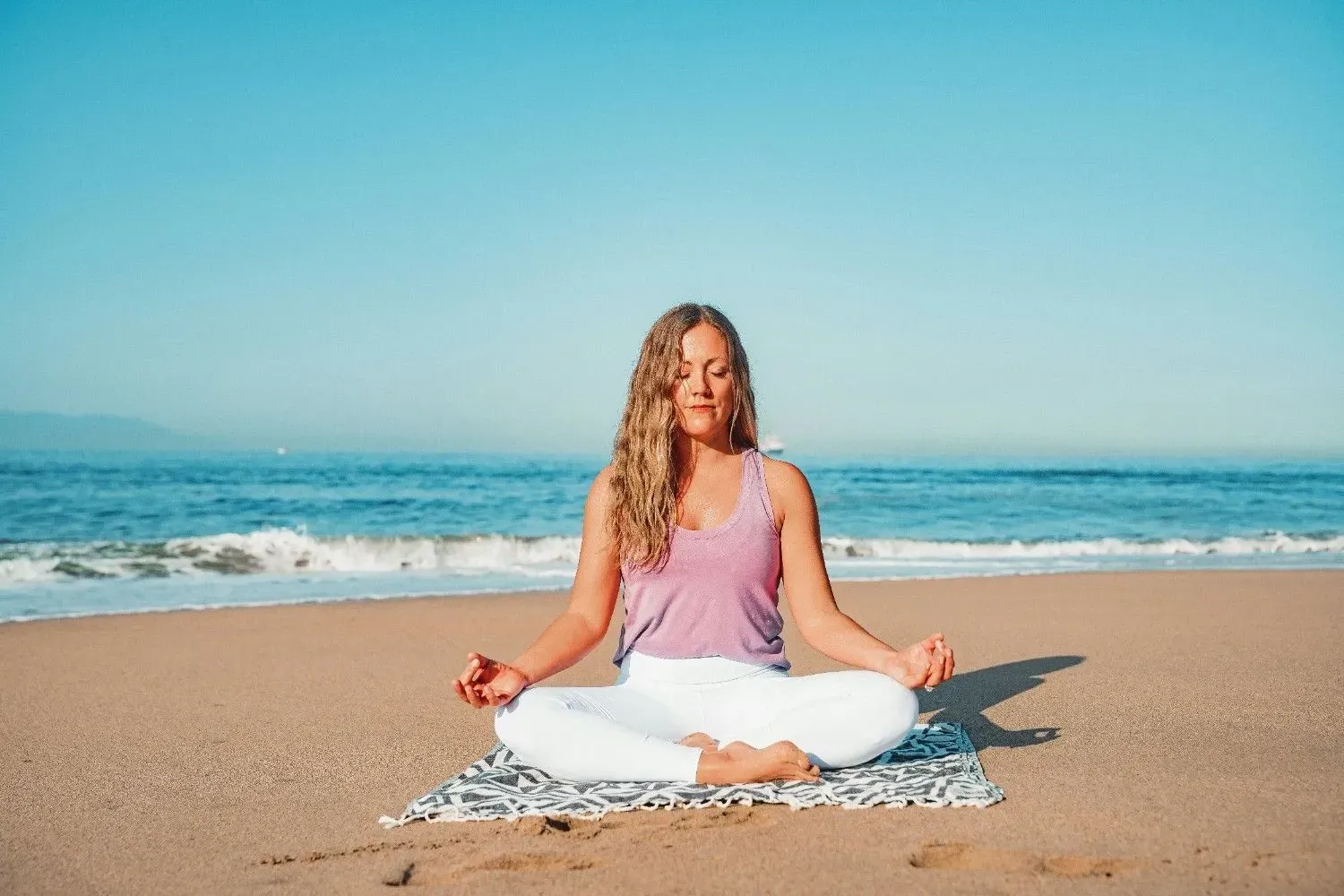
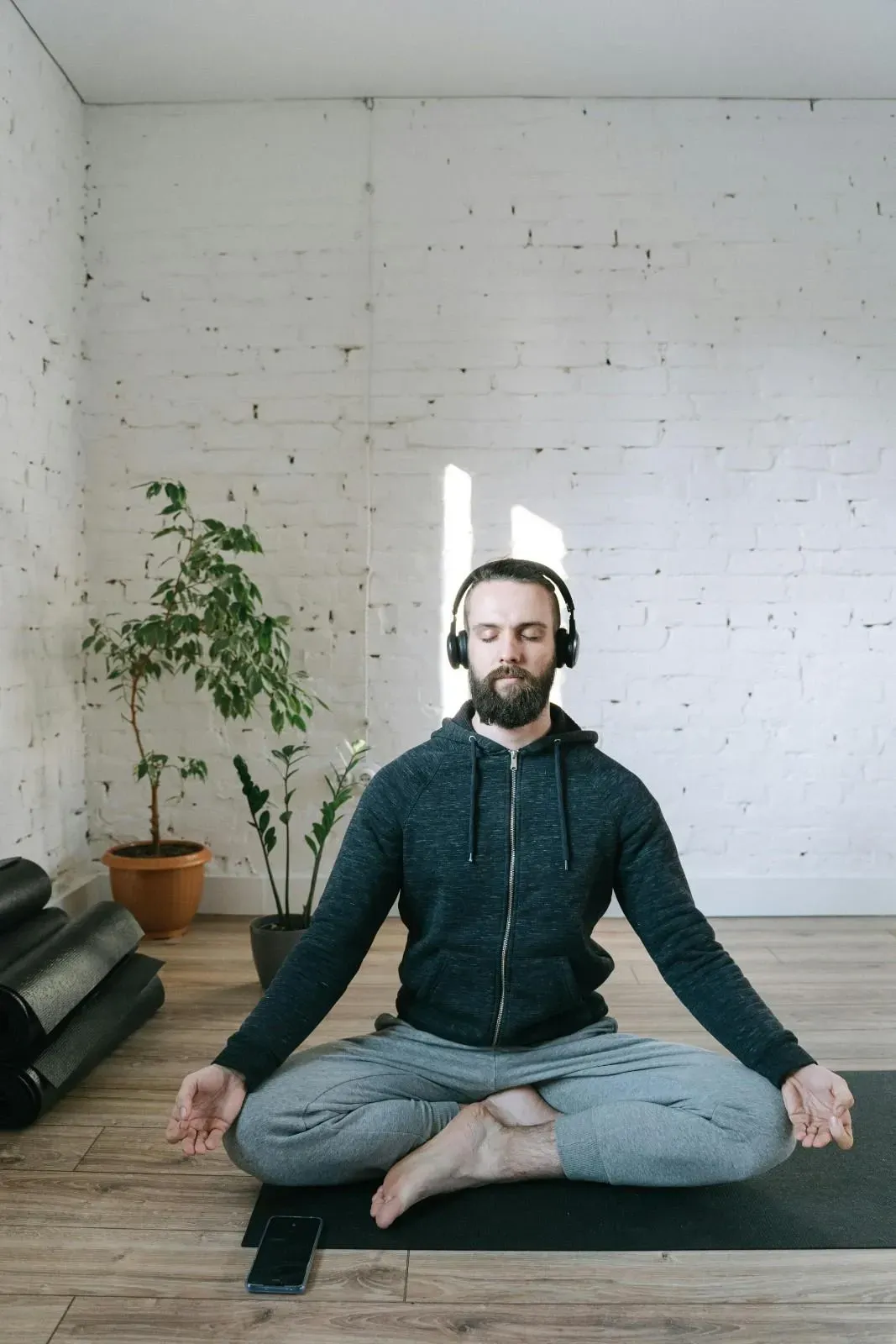
You do not need a perfect setup or deep knowledge. Begin with just 2 to 5 minutes a day. Pick a quiet place, sit comfortably, and focus on your breath. That is enough to begin.
The goal is not to clear your mind. The goal is to notice when your mind wanders and gently bring it back. Distractions will happen. That is part of the process, not a failure.
If you are unsure where and how to begin, you can explore our guide on how to meditate properly to understand the basics before building your routine.
Consistency matters more than intensity. A few minutes daily is more effective than long sessions done occasionally.
Build Your Daily Meditation Habit With Yuna
A Simple Meditation Routine You Can Follow Daily
A structured meditation routine makes it easier to stay consistent and can even help you enter the flow state. Instead of relying on motivation, you follow a simple process every day.
Here is a meditation plan you can start with:
Step 1: Choose a Fixed Time
Pick a time that fits naturally into your day. It could be morning, during a break, or before bed. The key is consistency.
There is no fixed best time to meditate, you can pick whatever time works best for you based on your circumstances.
When you meditate at the same time daily, it becomes part of your routine instead of something you have to remember.
Step 2: Start Small
Keep your sessions short in the beginning. Start with 2 to 5 minutes. You can gradually increase to 10 minutes over time.
Starting small reduces resistance. It also helps you avoid burnout. A short session done daily is better than a long session you avoid.
Start Meditating Daily With Yuna
Step 3: Use a Simple Technique
You do not need complex methods to begin. Focus on basic practices like breathing or body awareness.
If you want to explore more options, you can check different meditation techniques and choose what feels comfortable.
The simpler the method, the easier it is to stay consistent.
Step 4: Remove Distractions
Find a quiet space where you will not be interrupted. Keep your phone away or on silent mode.
Even small distractions can break your focus. A calm environment makes it easier to stay present during your session.
Step 5: End with Reflection
Before you finish, take a few seconds to notice how you feel. This helps build awareness and reinforces the habit.
You do not need to analyze deeply. Just observe your state of mind. This small step makes your meditation routine more meaningful.
Make Meditation A Daily Habit With Yuna Today
How to Start Meditating Daily Without Losing Motivation
Starting is easy. Staying consistent is harder. Most people stop not because meditation is difficult, but because they lose momentum.
Instead of relying on motivation, focus on building systems that make meditation automatic.
Habit Stacking
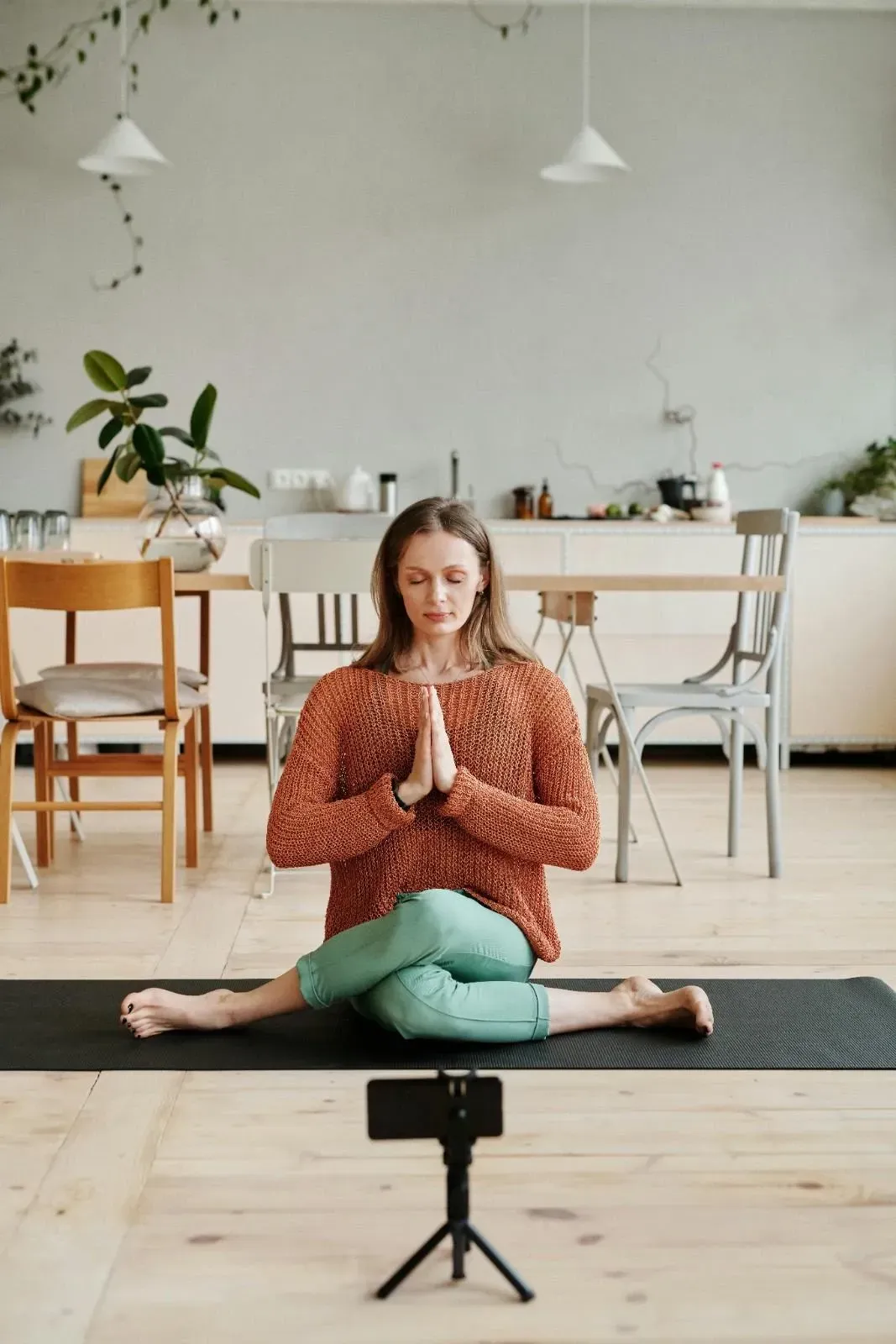
Attach meditation to something you already do daily.
For example, meditate right after brushing your teeth or before your morning coffee. This removes the need to decide when to meditate.
Trigger-Based Routine
Use a fixed trigger to start your session.
A simple example shared in a meditation community by a Reddit user is to meditate before eating your first meal. This creates a clear rule. You meditate first, then you eat. Over time, this builds strong consistency.
Turn Meditation Into A Habit With Yuna
Make It Easy
Reduce friction as much as possible. Keep your meditation space ready. Do not overcomplicate the process.
If it feels easy to start, you are more likely to continue.
Focus on Identity
Shift your mindset from “I am trying to meditate” to “I am someone who meditates daily.”
This small shift helps reinforce the habit. Your actions start to align with your identity.
Track Progress
Keep a simple record of your sessions. It can be a checklist or a habit tracker. AI mental health apps like Yuna provide such features to keep a track of everything smoothly.
Seeing your progress builds momentum. It also makes it harder to skip days once you have a streak going.
Try Yuna For Free
How to Build a Meditation Plan That Actually Works
A meditation plan helps you stay consistent without overthinking. It gives structure while still allowing flexibility.
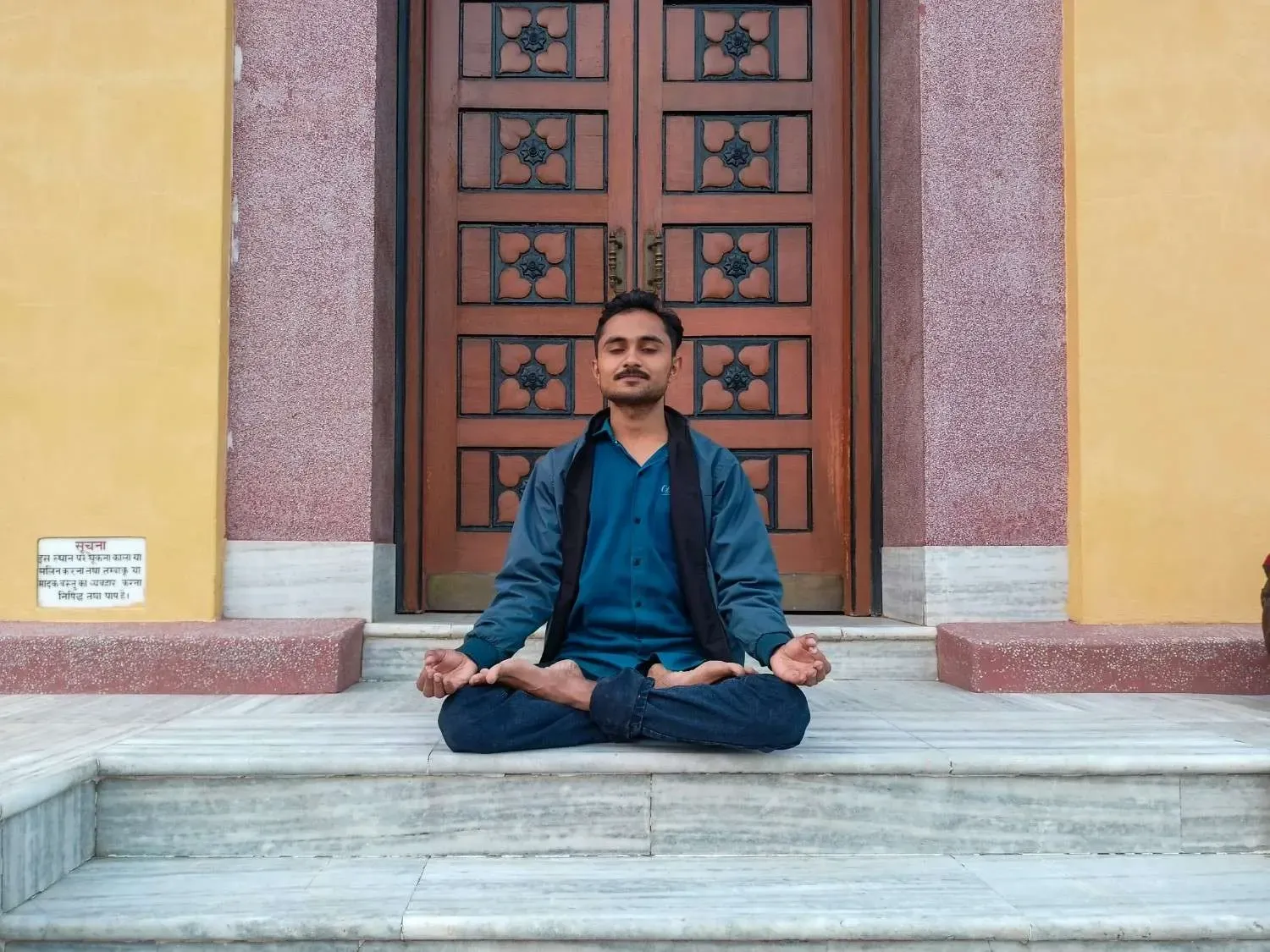
Start with a simple weekly plan:
- Week 1: 3 minutes daily
- Week 2: 5 minutes daily
- Week 3 and beyond: 10 minutes daily
This gradual increase helps your mind adjust without resistance.
You can choose a fixed schedule or keep it flexible depending on your routine. Some people prefer mornings, while others prefer evenings. The goal is not to follow a perfect schedule. The goal is to show up every day in a way that fits your life.
Start Meditating Daily With Yuna
Types of Meditation You Can Try Daily
If your routine starts to feel repetitive, trying different styles can help you stay engaged. You do not need to stick to one method. Exploring different approaches can make your meditation routine more flexible and sustainable.
Here are a few simple options you can rotate:
- Breathing meditation: Focus on your breath as it moves in and out. This is the most basic and widely used method for beginners.
- Mindfulness meditation: Pay attention to your thoughts, emotions, and surroundings without reacting to them. This builds awareness over time.
- Guided meditation: Follow a voice or app that walks you through the session. This is helpful if you find it hard to focus on your own.
- Body scan meditation: Slowly bring attention to different parts of your body and notice any tension or sensations.
If you want to explore more options, you can check our guide on different types of meditation and find what works best for your routine.
Try For Free
Yuna Health: Using Guided Support to Stay Consistent
Consistency is the hardest part of building any meditation routine. Most people know how to meditate, but the real challenge is showing up every day.
This is where guided support can help.
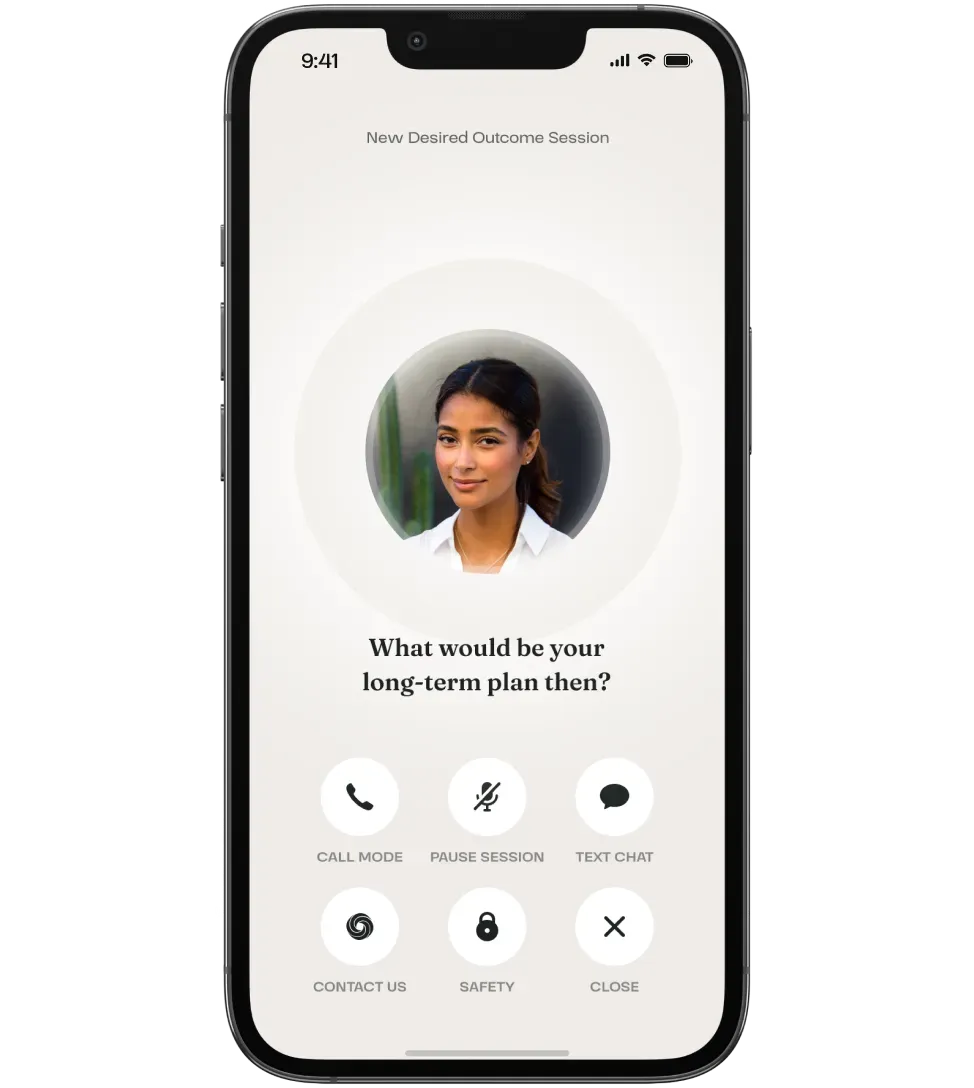
Yuna works as a daily mental health coach that makes it easier to stay consistent. Instead of relying only on discipline, you have a system that supports your routine.
- Daily check-ins help you stay aware of your emotional state
- Guided prompts reduce the effort required to start
- Structured support makes meditation feel less overwhelming
You do not need to figure everything out on your own. Tools like Yuna help remove friction and make meditation a natural part of your day.
Try Yuna For Free
FAQs About Meditating Daily
How can I stay motivated to meditate daily?
Focus on building a habit instead of relying on motivation. Keep sessions short and attach meditation to an existing routine. Use simple triggers like meditating after brushing your teeth. Digital tools like Yuna can also help by providing reminders and structured support.
How long do you need to meditate daily?
You only need 5 to 10 minutes a day to see benefits. Consistency matters more than duration. Short daily sessions are more effective than long sessions done occasionally. Start small and increase gradually as the habit becomes easier to maintain.
How to start a meditation routine?
Start with a few minutes each day and choose a fixed time. Use a simple technique like focusing on your breath. Keep your setup minimal and avoid overcomplicating the process. The goal is to make meditation easy to repeat daily.
How to stick to a meditation routine?
Use habit stacking and reduce friction. Attach meditation to an existing habit and keep your sessions short. Track your progress to build consistency. Focus on showing up daily rather than trying to do it perfectly.
How to incorporate meditation into your daily routine?
You can add meditation to your morning routine, take short breaks during work, or use it to wind down before sleep. Even a few minutes can fit into your day. The key is to choose a time that feels natural and easy to maintain.
Build Your Daily Meditation Habit With Yuna For Free