

If you have ever searched for how to meditate and felt confused, you are not alone. Meditation is simple, but it feels unfamiliar at first. Most beginners struggle not because they are doing something wrong, but because their expectations are unrealistic. You do not need to stop your thoughts. You do not need long sessions. You do not need to feel calm right away.
This guide explains meditation in plain language. It focuses on what actually happens when you sit down to practice and how to approach it without pressure. Many beginners also find guided support helpful while learning, especially when practicing alone feels confusing. Gentle tools like Yuna Health can help build confidence with short, guided sessions and daily reminders.
Try For Free
What Is Meditation?
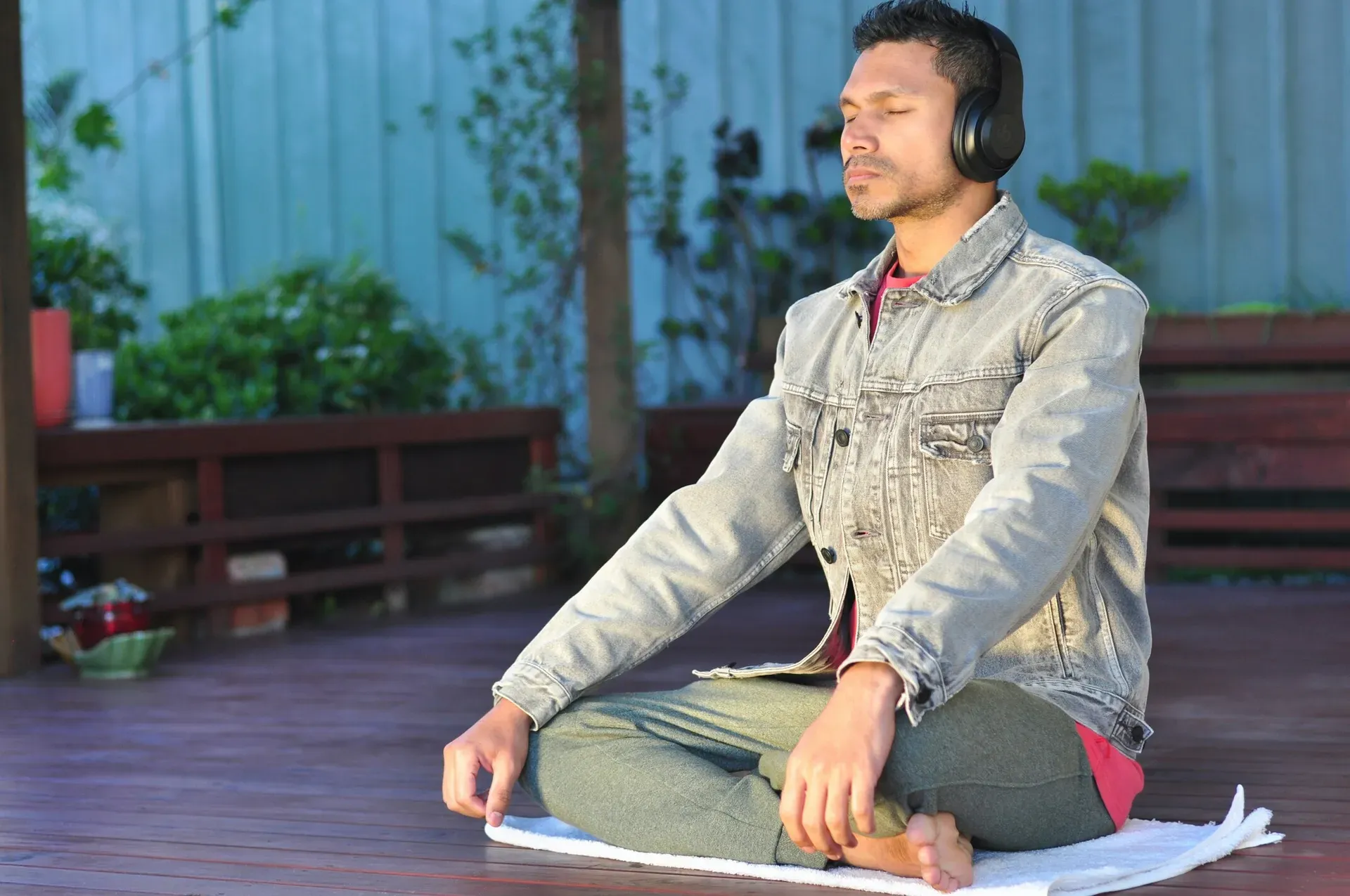
Meditation is a practice of learning how to pay attention on purpose. It involves noticing what is happening in your body and mind in the present moment and gently returning your focus when it drifts. Most commonly, attention rests on the breath, physical sensations, or simple awareness itself.
Meditation is often misunderstood. It is not about stopping thoughts, forcing calm, or achieving a special mental state. Thoughts will appear. Emotions will shift. Discomfort may arise. None of this means you are doing it wrong. The practice is about noticing these experiences without reacting or getting pulled into them.
Over time, meditation helps build a healthier relationship with your thoughts and feelings. Instead of being caught inside them, you learn to observe them with a little more space. You can later explore different meditation techniques, but the foundation is always this simple skill of awareness and return.
Try For Free
Why Learning How to Meditate Feels Hard at First
Meditation feels difficult for many beginners because it reveals habits we usually ignore. When the noise quiets, we start noticing how busy the mind really is. This can feel uncomfortable at first, but it is a normal part of learning.
The Mind Wandering Is Normal
The mind is designed to think, plan, and remember. Wandering thoughts do not mean failure. In fact, noticing that your mind has drifted is the moment meditation begins. Each return to awareness strengthens attention, even if it happens many times.
Stillness Can Feel Uncomfortable
Sitting quietly can highlight restlessness, tension, or impatience. This discomfort does not mean something is wrong. It simply means you are becoming aware of sensations that were already there but usually drowned out by distraction.
We Are Used to Constant Stimulation
Phones, notifications, and multitasking keep the mind occupied all day. Meditation removes that stimulation, which can feel unfamiliar or boring at first. The adjustment period is expected and temporary as the nervous system learns to settle.
Noticing Distraction Means the Practice Is Working
Many people think meditation should feel peaceful right away. In reality, awareness often comes before calm. Seeing thoughts clearly is progress, not a problem. Awareness itself is the skill you are developing.
Try For Free
How to Meditate for Beginners: Step by Step Method
As a beginner, you should not aim for perfect posture, mindset, or outcome. The practice is about learning how to notice your experience and gently return your attention when it drifts. The steps below keep the process simple and realistic for beginners.
Step 1: Choose a Short and Manageable Time
Start small. Five to ten minutes is more than enough when you are learning. Short sessions reduce pressure and make it easier to begin without resistance. Meditation works through repetition, not endurance. It is better to practice briefly and regularly than to sit for long periods and avoid coming back.
Step 2: Sit in a Way That Feels Comfortable and Stable
You do not need to sit on the floor or hold a special posture. You can sit on a chair with your feet on the ground, on a cushion, or on your bed. The key is stability and comfort. If your body feels strained, your attention will keep pulling away to discomfort instead of awareness.
Step 3: Bring Attention to the Natural Breath
Once settled, gently notice your breathing. Do not try to control it or slow it down. Simply observe where you feel it most clearly. This might be in your nose, chest, or belly. The breath gives your attention a simple place to rest, but it does not need to feel calm or deep.
Step 4: Notice When the Mind Wanders
Your mind will drift to thoughts, memories, or plans. This is normal. When you notice it happening, pause for a moment. There is no need to judge yourself or label the thought as good or bad. Noticing distraction is not failure. It is awareness doing its job.
Step 5: Gently Return Your Attention
After noticing distraction, bring your focus back to the breath or bodily sensation you were observing. This return is the core of meditation. Each gentle return strengthens attention and patience. Beginners often find this step difficult at first. Some people find light guidance helpful here, and tools like Yuna Health can support this moment with calm prompts when practicing alone feels confusing.
Step 6: End the Session Slowly
When your time is up, do not rush to stand or check your phone. Take a few moments to notice how your body feels and what your mind is like. Open your eyes slowly and transition back into your day. This helps meditation feel complete and grounded rather than abrupt.
Try For Free
How Long Should You Meditate Each Day?
Many beginners worry they are not meditating long enough. You do not need long sessions to benefit. Five to ten minutes a day is enough when starting out. What matters most is consistency, not duration.
Short daily sessions help the mind become familiar with the practice. Over time, you may naturally want to sit longer, but there is no requirement. Meditation is not about endurance.
Support tools can help build consistency without pressure. Yuna Health encourages short, regular sessions and removes the idea that meditation must be done perfectly or for a set length of time.
Try For Free
Can You Meditate If You Feel Restless or Anxious?
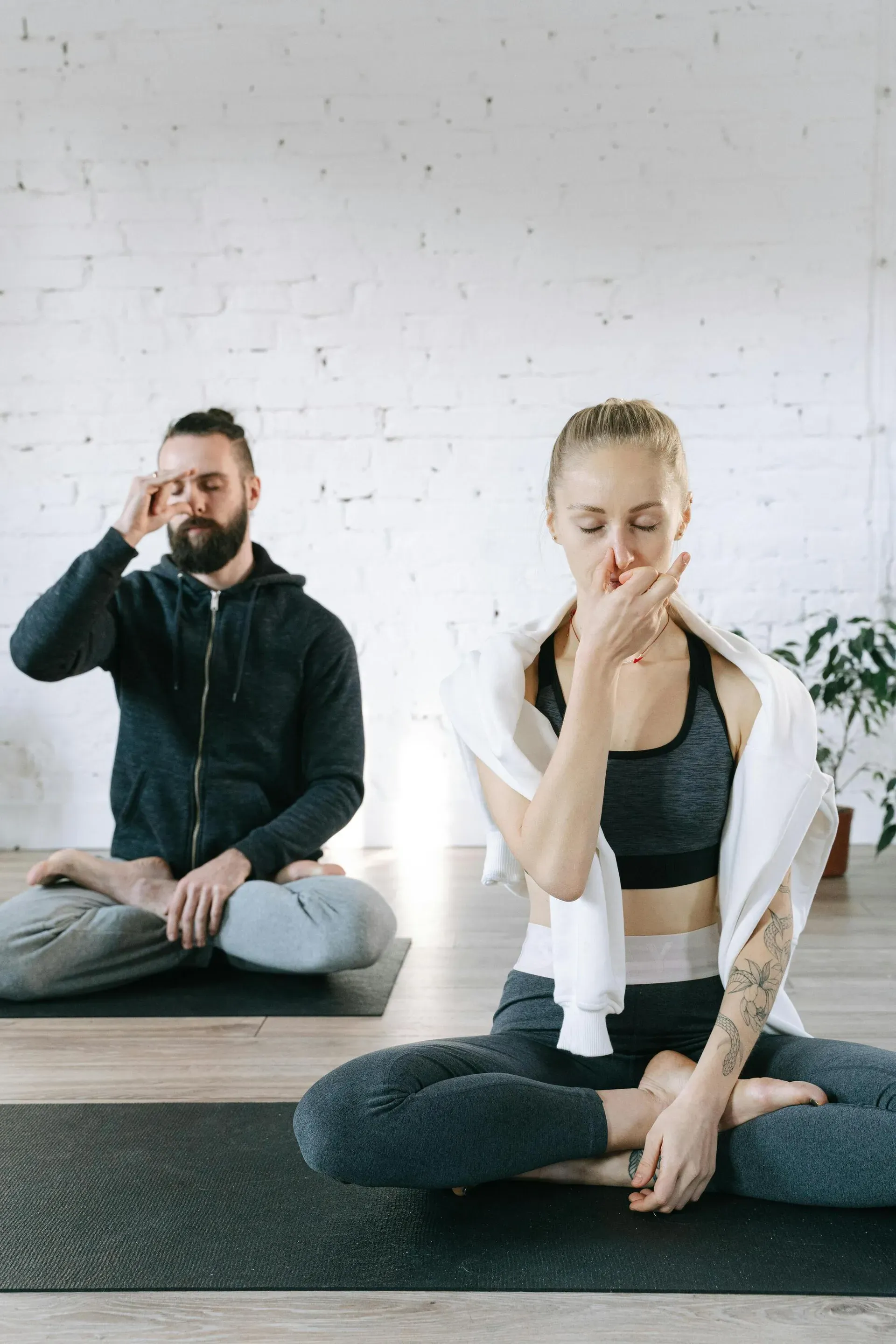
Yes. You do not need to feel calm before you begin. Meditation does not require relaxation as a starting point. Restlessness, anxiety, and discomfort are allowed experiences during practice.
Short sessions are especially helpful when you feel unsettled. Simply noticing the breath can support emotional regulation over time. The goal is awareness, not immediate relief.
If anxiety makes it hard to sit alone, guided support can feel safer. Calm, guided meditation through Yuna Health can help you stay present without forcing stillness or control.
Try For Free
How to Build a Meditation Habit That Actually Sticks
Many people do not struggle with meditation itself. They struggle with consistency. Building a meditation habit is less about motivation and more about removing friction. The goal is to make meditation feel natural, not like another task to perfect.
Link Meditation to an Existing Routine
Habits stick better when they are attached to something you already do. You can meditate after brushing your teeth, before opening your laptop, or before going to bed. This removes the need to decide when to meditate. The routine becomes a reminder on its own.
Keep Sessions Intentionally Short
Long sessions often create resistance. Five minutes feels doable even on busy days. Short sessions lower mental barriers and help you show up consistently. Over time, familiarity builds confidence. Duration can increase later, but it should never feel forced.
Remove Pressure Around Performance
Meditation does not need to feel calm or successful to be useful. Some days will feel distracted or restless. That does not mean the practice failed. Treat meditation as showing up, not achieving a state. This mindset reduces avoidance and guilt.
Use Gentle Reminders or Guided Support
Decision fatigue often stops people from meditating. Gentle reminders can help you begin without overthinking. Guided support can also reduce uncertainty, especially in the early stages. Yuna Health supports habit building through short guided sessions and light reminders without streak pressure or rigid expectations.
Try For Free
Advanced Meditation Tips and Tricks for Beginners
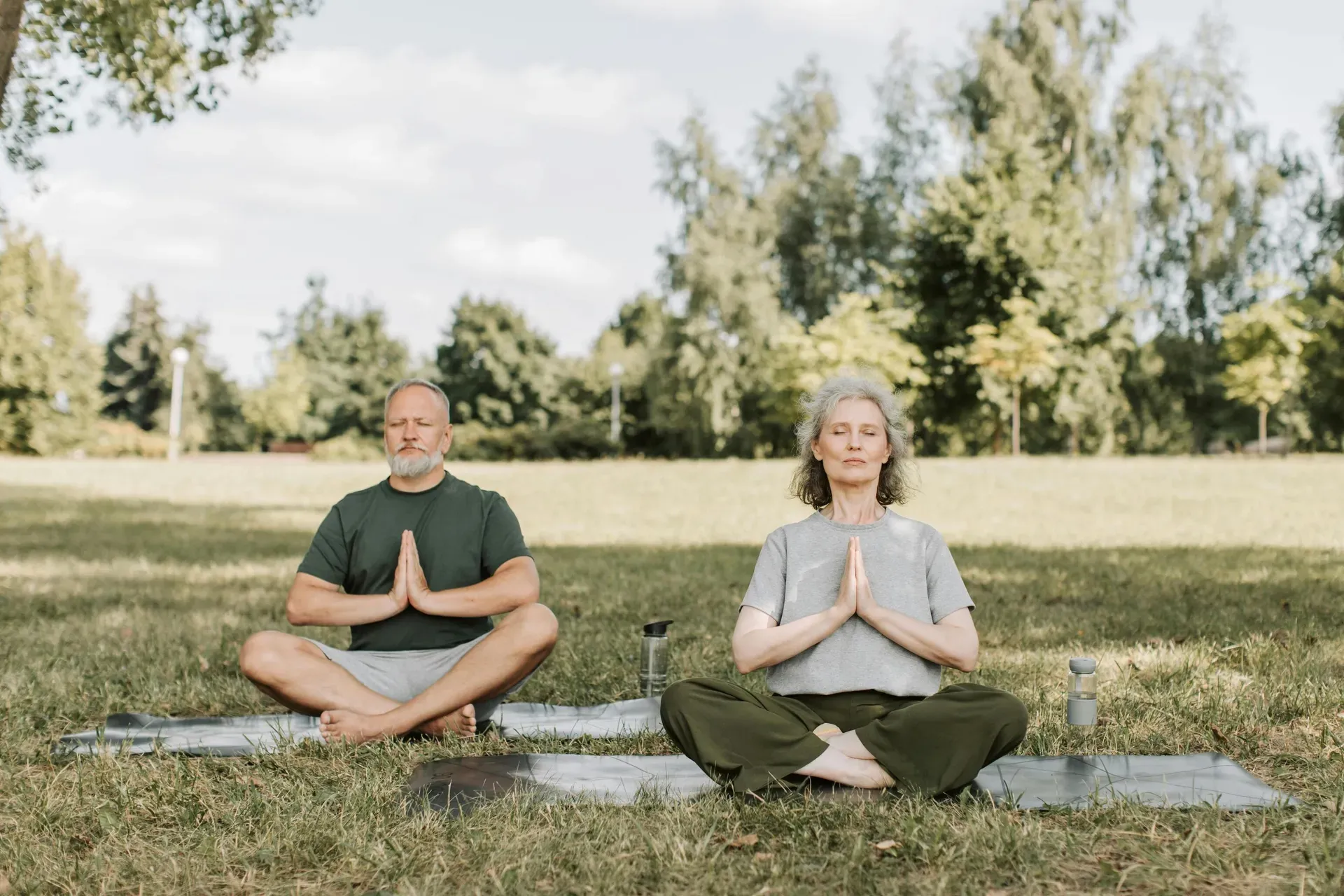
Once you feel comfortable with the basics, small adjustments can make meditation feel more supportive and sustainable. These are not advanced techniques but simple refinements that help beginners stay consistent and grounded.
Stop Trying to Control the Experience
Many beginners try to make meditation feel calm or meaningful. This effort often creates tension. Let the experience be neutral. Some sessions will feel quiet. Others will feel busy. Both are valid. Meditation works through observation, not control.
Use the Body as an Anchor When Thoughts Feel Loud
If thoughts feel overwhelming, shift attention gently to physical sensations. Feel your feet on the floor or the weight of your hands. The body is always present and can feel more stable than the breath during busy moments.
Shorten the Session on Difficult Days
You do not need to skip meditation when you feel overwhelmed. Instead, shorten the session. One or two minutes of awareness is enough. This keeps the habit intact and prevents an all or nothing mindset.
Let Wandering Be Part of the Practice
Each time you notice your mind has wandered, you are practicing awareness. The return is the repetition that builds skill. There is no benefit in staying focused longer. The value comes from noticing and returning again and again.
End with Kindness, Not Evaluation
Avoid judging the session when it ends. Do not ask whether it was good or bad. Simply acknowledge that you showed up. This gentle closing reduces pressure and makes it easier to return the next day.
Try For Free
Guided Meditation with Yuna Health

Guided meditation by Yuna can be especially helpful when you are learning how to meditate or when practicing alone feels unclear. Yuna Health is designed as a gentle meditation and mental wellness companion for beginners and everyday meditators.
Yuna offers short, flexible guided meditation sessions that fit into real life. There is no pressure to sit perfectly or clear your mind. The guidance focuses on awareness, calm pacing, and returning attention without judgment. Sessions are designed to support consistency rather than intensity.
Yuna does not replace therapy or clinical care. It supports daily mindfulness and meditation habits by reducing uncertainty and decision fatigue. For many people, this makes meditation feel approachable, supportive, and easier to maintain over time.
Try For Free
Frequently Asked Questions
How do I meditate if I have never done it before?
Start by choosing a quiet place and sitting comfortably. Set a short time like five minutes. Bring your attention to your breath. When your mind wanders, gently return to it. That is the practice. Nothing more is required.
What should I think about while meditating?
You do not need to think about anything specific. Meditation is about noticing what is happening, not controlling thoughts. Thoughts will appear naturally. When you notice them, gently return your attention to the breath or body without judgment.
Is it okay if I fall asleep while meditating?
Yes, especially for beginners. Falling asleep often means your body is tired or relaxing deeply. If sleep happens often, try sitting more upright or practicing earlier in the day. Sleep is not failure. Awareness develops gradually.
How often should I meditate?
Daily practice is ideal, even if sessions are short. Five to ten minutes each day builds familiarity and habit. Consistency matters more than duration. Missing a day is normal. Simply return the next day without self criticism.
Can I meditate lying down?
Yes, you can meditate lying down. This is helpful for people with physical discomfort. However, lying down increases the chance of falling asleep. If that happens often, try sitting instead. Awareness is easier when the body stays alert.
How long does it take to feel benefits from meditation?
Some people notice subtle changes within a few days. Others take weeks. Benefits build gradually with consistent practice. Meditation is not about instant calm. It trains awareness over time. Patience and regularity matter more than expectations.
What is the easiest way to start meditating?
The easiest way is to start small. Sit comfortably and notice your breath for a few minutes. Guided support can help reduce uncertainty. Tools like Yuna Health offer short guided sessions that help beginners start without pressure or confusion.
Can guided meditation help beginners?
Yes. Guided meditation offers structure and reassurance. It helps beginners stay anchored when attention drifts. Guidance removes guesswork and self doubt. Apps like Yuna Health provide gentle prompts that support learning how to meditate consistently.
How can I tell if I am meditating correctly?
If you are noticing when your mind wanders and gently returning, you are meditating correctly. Calm is not required. Focus is not constant. Awareness is the goal. There is no perfect experience to achieve.
What are the 5 R’s of meditation?
The five R’s often include Recognize, Relax, Return, Repeat, and Respond with kindness. You recognize distraction. Relax your reaction. Return attention gently. Repeat as needed. Respond without judgment. These steps describe the core cycle of meditation.
What should I think while meditating?
You do not need to think in a specific way. Thoughts will arise naturally. The goal is to notice them without engaging. Each time you return to awareness, you strengthen attention. Thinking less is not required for meditation to work.
What should you not do while meditating?
Do not force calm or silence. Do not judge your thoughts. Avoid checking time constantly. Do not treat meditation as performance. Let the experience unfold naturally. Meditation works through observation, not effort or control.
What is the golden rule of meditation?
The golden rule is to be gentle with yourself. There is no right or wrong session. Showing up matters more than outcomes. Each return to awareness counts. Kindness supports consistency and long term practice.
When should you not meditate?
Avoid meditating while driving or doing tasks that require full attention. If you are in acute distress, grounding or external support may help more. Meditation should feel safe. You can always return later when conditions feel supportive.
Which color light is good for meditation?
Soft, warm lighting is often calming. Neutral or warm tones like soft yellow or amber reduce stimulation. Harsh or bright lighting can feel activating. The goal is comfort, not a specific color requirement.
What color is most calming to the brain?
Cool and soft tones like light blue or muted green are often calming. These colors are associated with relaxation. However, personal preference matters more. Choose a color that feels soothing rather than following strict rules.
What should I wear for meditation?
Wear comfortable clothing that does not restrict movement or breathing. Loose and soft fabrics help reduce distraction. There is no special outfit required. Comfort supports awareness and makes it easier to stay present.
What color helps reduce anxiety?
Soft neutral colors like light blue, beige, or muted green can feel calming. These colors reduce visual stimulation. However, anxiety relief comes more from breath awareness than surroundings. Choose colors that feel personally soothing.
Try For Free