


Remote work has become a strategic advantage for organizations seeking flexibility, talent access, and operational resilience. Yet behind this progress, a silent mental health crisis is emerging. Research shows that 1 in 5 employees worldwide feels lonely at work, with remote workers almost twice as likely to experience isolation.
Loneliness is not a soft issue. Studies link it to a 29% increased burnout, disengagement, and turnover. HR teams are now overwhelmed by rising support requests, long therapy waitlists, and growing absenteeism. This pressure demands scalable, ethical, and proactive solutions. AI therapy and mental health coaching are emerging as such tools, helping organizations support remote employees before distress escalates.
The Mental Health Landscape of Remote Work
Remote work changes how stress develops, how isolation feels, and how support must be delivered. Understanding this landscape is essential before choosing the right interventions.
Isolation & Loneliness: The Biggest Predictors of Distress
Loneliness is the strongest predictor of mental health challenges among remote employees. A 2024 survey found that 24% percent of remote workers often feel lonely, compared to just 12.1 percent of office-based staff.
Chronic loneliness is linked to stress-related sick leave, weakened immunity, and long-term cardiovascular risk. Medical research confirms persistent social isolation increases physical and psychological health risks. For HR leaders, loneliness is no longer an emotional footnote. It is a measurable workforce risk.
Blurred Boundaries → Burnout
Remote work often removes clear boundaries between professional and personal life. Constant notifications and visibility expectations create an “always-on” culture. Employees report higher mental fatigue and declining work-life balance. Studies on psychological challenges of remote work show burnout symptoms rising faster in distributed teams.
Without clear stop signals, employees struggle to disengage. This accelerates exhaustion and disengagement. Research confirms remote work can intensify burnout when boundaries remain unclear. HR leaders must address this structural strain, not just individual resilience.
Other Psychological Strains
Remote workers also face digital fatigue, performance anxiety, and fear of being overlooked. Surveillance-related stress and reduced informal feedback worsen emotional pressure. A growing number report declining motivation and disrupted routines.
These pressures accumulate quietly. Without visible signals, distress often goes unnoticed until productivity or retention suffers. This is where traditional support models struggle to keep pace.
How AI Mental Health Coaching Is Stepping In
As demand grows, organizations are turning to AI-powered solutions to design mental health programs beyond traditional limits.
What AI Coaching Actually Does
AI Mental Health Coaching uses natural language processing to enable intuitive, empathetic conversations. Employees interact through text-based dialogues that feel supportive and non-judgmental. Machine learning models analyze patterns over time to recommend tailored coping exercises.
These tools do not diagnose or replace clinicians. Instead, they support emotional awareness, reflection, and early intervention. Studies on AI-supported therapy platforms highlight their role in expanding access to care.
Why AI Is a Game-Changer for Remote Workers
AI therapy and mental health coaching removes many barriers remote workers face. It offers 24/7 access across time zones, without scheduling delays. Employees feel safer opening up due to anonymity and reduced stigma. Research confirms employees disclose emotional concerns more openly to AI tools.
AI also enables personalized mental fitness plans, mood tracking, and real-time support. It is cost-effective compared to traditional therapy models. Most importantly, AI identifies distress signals early, before burnout escalates.
Limitations and Risks HR Must Be Aware Of
While powerful, AI therapy and coaching must be implemented responsibly. HR leaders must understand its limitations clearly.
AI Cannot Replace Human Empathy
AI cannot fully interpret tone, body language, or trauma history. Human clinicians bring contextual judgment and emotional nuance that machines cannot replicate. AI lacks the depth required for crisis or complex trauma care.
AI should support, not replace, human care.
Bias, Accuracy & Safety Concerns
AI models reflect their training data. Biases or inaccuracies can emerge without proper oversight. Documented cases show unregulated chatbots offering unsafe mental health advice. This highlights the need for governance and ethical design.
Psychology associations stress clear safety standards for AI mental health tools. HR leaders must vet platforms carefully.
Privacy & Data Security
Mental health data is deeply sensitive. Employees must trust how information is handled. Studies stress privacy-first governance for digital mental health tools. Transparency around data use is critical.
Building a Holistic Mental Health Framework for Remote Teams
AI mental health coaching works best within a broader, human-centered wellness strategy.
What Employers Can Do
Employers must foster connection through rituals, psychological safety, and regular manager check-ins. Providing digital tools alongside employee assistance programs strengthens support coverage. Clear workload norms and unplugging policies reduce burnout risk.
Personalized Mental Health AI Coaching can help employers combat complex issues related to employee mental health.
What Individuals Can Do
Remote employees benefit from clear boundaries, dedicated workspaces, and mindful breaks. Staying socially engaged and prioritizing self-care reduces isolation.
Employees should also recognize burnout signals early. Education empowers self-awareness and timely support seeking.
How Yuna Reduces Loneliness and Builds Emotional Resilience in Remote Teams
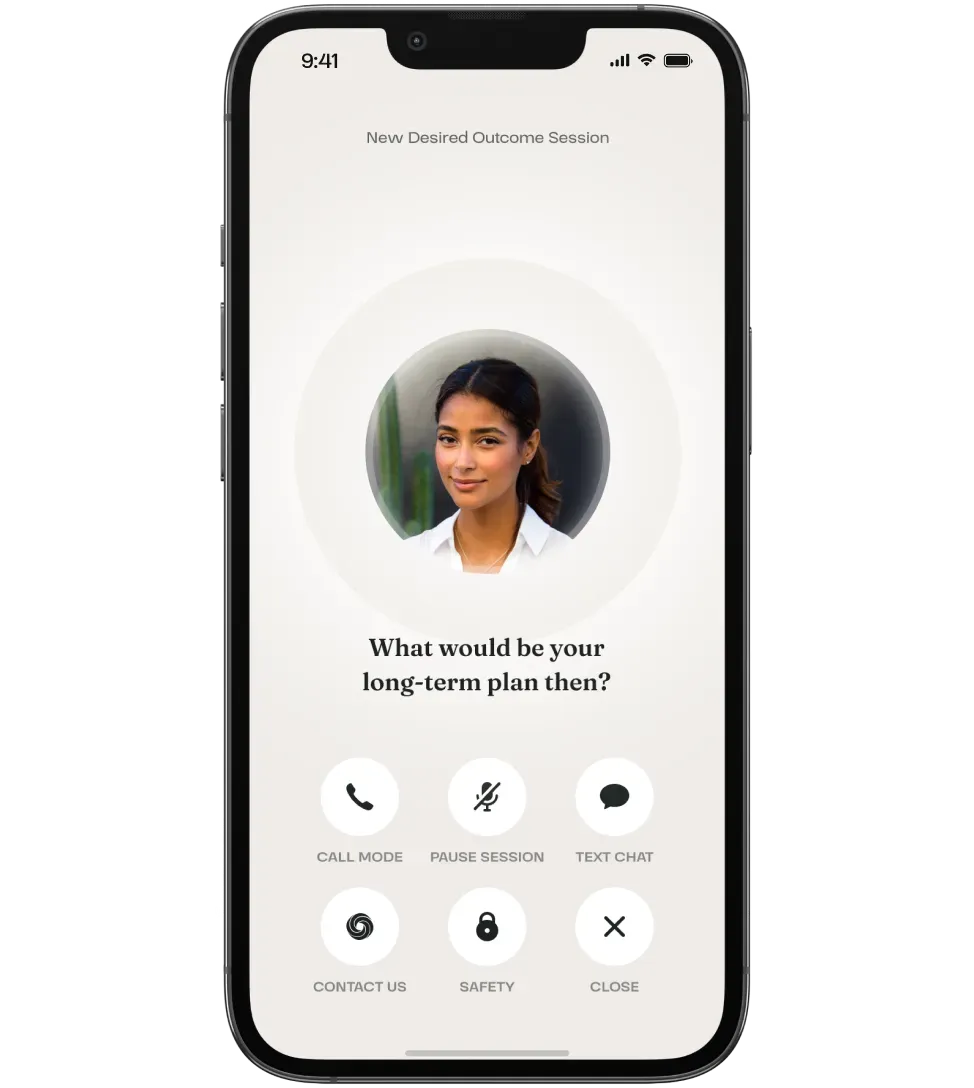
Remote work removes physical proximity, but it should not remove emotional support. For many remote employees, the challenge is not workload alone, but quiet isolation. Yuna addresses this gap by offering a consistent emotional presence that helps remote workers feel supported, even in solitude.
Yuna acts as a mental health coach, not a therapist, creating a safe space for daily emotional check-ins. Its AI-driven conversations help remote workers reflect, regulate stress, and process feelings without fear of judgment. This ongoing companionship reduces the emotional distance often felt in distributed teams.
Unlike one-time interventions, Yuna supports continuity. It recognizes mood patterns, identifies signs of isolation, and encourages healthy coping habits over time. These insights help HR teams spot loneliness risks early, while respecting employee privacy and autonomy.
By complementing human care with accessible AI support, Yuna helps remote workers stay emotionally grounded. It transforms remote work from an isolating experience into one where employees feel seen, supported, and mentally resilient. For HR leaders, Yuna is not just a tool. It is a partner in ensuring that remote teams are alone in location, but never alone in support.
FAQs
1. Does remote work impact employee well-being more than expected?
Remote work offers flexibility, but it can quietly increase isolation, blurred boundaries, and emotional fatigue. Without daily social interaction, some employees experience loneliness and disengagement.
Well-being depends less on location and more on connection, structure, and access to mental health support. When these are missing, remote work can negatively affect overall mental health.
2. What role does AI play in workplace mental health today?
AI supports mental health by offering private, accessible emotional check-ins and early stress detection. It helps employees reflect on feelings without stigma. AI tools also provide personalized coping strategies and identify patterns that signal burnout.
When combined with human support, AI improves access, consistency, and prevention in workplace mental health programs.
3. Are mental health concerns more common among remote employees?
Remote workers are not universally depressed, but research shows higher risks of loneliness and emotional isolation. Reduced social interaction and limited feedback can affect mood and motivation.
Without intentional connection and support, these factors may contribute to anxiety or low well-being. Proactive mental health tools help reduce this risk significantly.
4. Who should employees approach when experiencing workplace stress?
Employees can speak with managers, HR partners, or mental health professionals depending on comfort levels. Digital tools, coaching platforms, and employee assistance programs also offer confidential support.
The best option is one that feels safe and accessible. Early conversations often prevent stress from escalating into burnout or disengagement.
5. Do fully remote workers feel happier than office-based employees?
Happiness among remote workers varies widely. Some enjoy autonomy and flexibility, while others miss social connection and routine. Studies show satisfaction depends on communication quality, workload balance, and emotional support.
Remote work itself does not guarantee happiness. Supportive culture and mental health resources make the biggest difference.