


TL:DR
Modern work creates constant pressure that quietly impacts mental health during the day. Improving wellbeing does not require major changes, but small, repeatable habits built into daily routines. These habits help manage stress early, protect focus, and prevent burnout over time. The goal is consistency, not perfection.
- Clear start reset
- Set boundaries
- Take micro breaks
- Check emotions
- Single task focus
- Ask for support
- Add movement
- Limit digital noise
- Reflect daily
- End with closure
Modern work moves fast. Deadlines stack up. Messages never stop. Boundaries blur, especially for remote teams. For many employees, mental strain shows up quietly during the workday long before it becomes a crisis. People often assume rest alone will fix it, but that is not always true.
Mental health at work is shaped by daily behaviors, expectations, and routines. It is not only about vacations or workplace wellness programs. Small habits practiced during the workday can protect focus, energy, and emotional balance. This article looks at practical, realistic actions employees can take to support mental wellbeing at work without pressure or perfection.
Instead of clinical solutions, the focus here is on daily habits for mental health that fit real workloads, meetings, and remote schedules.
Try For Free
10 Positive Workplace Mental Health Tips for Employees
Mental health habits at work do not need to be complicated. They need to be repeatable. The goal is not to eliminate stress completely, but to notice it early and prevent it from turning into exhaustion or disengagement. The habits below are designed for office, hybrid, and remote roles.
1. Start the Workday With a Clear Mental Reset
Beginning the day by opening emails or messages immediately can create reactive stress. A short pause before work starts helps set intention. This could be reviewing priorities, taking a few calm breaths, or checking in with how you feel. Small resets like this help you start with clarity instead of urgency.
2. Set Clear Workday Boundaries
Clear start and end times protect mental energy. Without boundaries, work can stretch into every part of the day, especially for remote employees. Turning off notifications after work hours and blocking focus time reduces overload. These limits are not rigid rules but healthy habits that make recovery possible.
3. Take Intentional Micro Breaks During the Day
Long stretches of focused work without pauses increase cognitive fatigue. Short breaks between meetings or tasks help reset attention. Standing up, stretching, or looking away from screens for a minute can lower mental strain. These simple pauses prevent burnout from building quietly.
4. Practice Emotional Check-Ins at Work
Stress often shows up in the body before we notice it mentally. Checking in with yourself during the day helps catch early signs of overload. Naming emotions without judgment builds awareness. This habit supports regulation and is one of the most effective daily habits for mental health in high-pressure work environments.
5. Build Focus Through Single Tasking
Multitasking can feel productive but often increases anxiety and mistakes. Focusing on one task at a time reduces mental noise and improves clarity. Even short periods of single tasking can improve confidence and output. This approach supports sustainable performance and reinforces healthy work habits.
Try For Free
6. Normalize Asking for Help at Work
Mental health improves when employees feel safe asking for support. This could mean clarifying expectations, sharing workload concerns, or checking in with a manager. Peer support also reduces isolation. Open conversations strengthen mental wellbeing at work and prevent silent struggles from growing.
7. Create Movement Anchors in the Workday
Physical movement helps release mental tension. Simple habits like stretching, walking meetings, or standing briefly between tasks improve circulation and focus. Movement does not need to be intense to be effective.
8. Reduce Digital Overload
Constant notifications and back to back meetings drain attention. Setting limits around emails, chat tools, and video calls reduces fatigue. Scheduling screen free breaks and avoiding unnecessary meetings protects energy. These boundaries directly support work-life balance in both office and remote settings.
9. Use Reflection Instead of Rumination
Rumination keeps stress looping. Reflection creates closure. Short end of day reflection helps separate work from personal time. Writing down what went well or what can wait until tomorrow reduces mental carryover. AI mental health coaching can support reflection to improve mental health in the workplace.
10. End the Workday With Psychological Detachment
Stopping work physically is not always enough. Mental shutdown rituals help the brain transition out of work mode. This could be a short walk, changing clothes, or closing your laptop intentionally. This is especially important for work from home roles where boundaries blur easily.
Try For Free
What Is Mental Wellbeing at Work?

Mental wellbeing at work refers to a person’s emotional, psychological, and mental state while performing their job. It includes how employees manage stress, stay focused, feel supported, and recover during the workday. This applies to office based roles, remote teams, and hybrid environments alike.
Good mental wellbeing allows employees to remain engaged without feeling overwhelmed. It does not mean being happy all the time or free from stress. It means having the capacity to respond to pressure, communicate needs, and reset when demands increase. When organizations and individuals support mental wellbeing at work, they create conditions where people can perform without constant depletion.
Try For Free
Why Workplace Habits Matter More Than Occasional Self Care
Burnout rarely comes from one bad week. It builds through repeated small stressors that go unaddressed. Long meetings, unclear expectations, digital overload, and lack of recovery time compound over time. Occasional self care cannot offset daily strain.
Habits embedded into work routines are more sustainable than one off wellness activities. How meetings are structured, how boundaries are respected, and how employees disconnect at the end of the day shape long term outcomes. Work culture influences personal behavior, which is why work-life balance depends as much on daily practices as it does on policies.
When healthy habits are normalized, employees are more likely to protect their energy without guilt.
Try For Free
How to Improve Mental Health without Therapy with Yuna
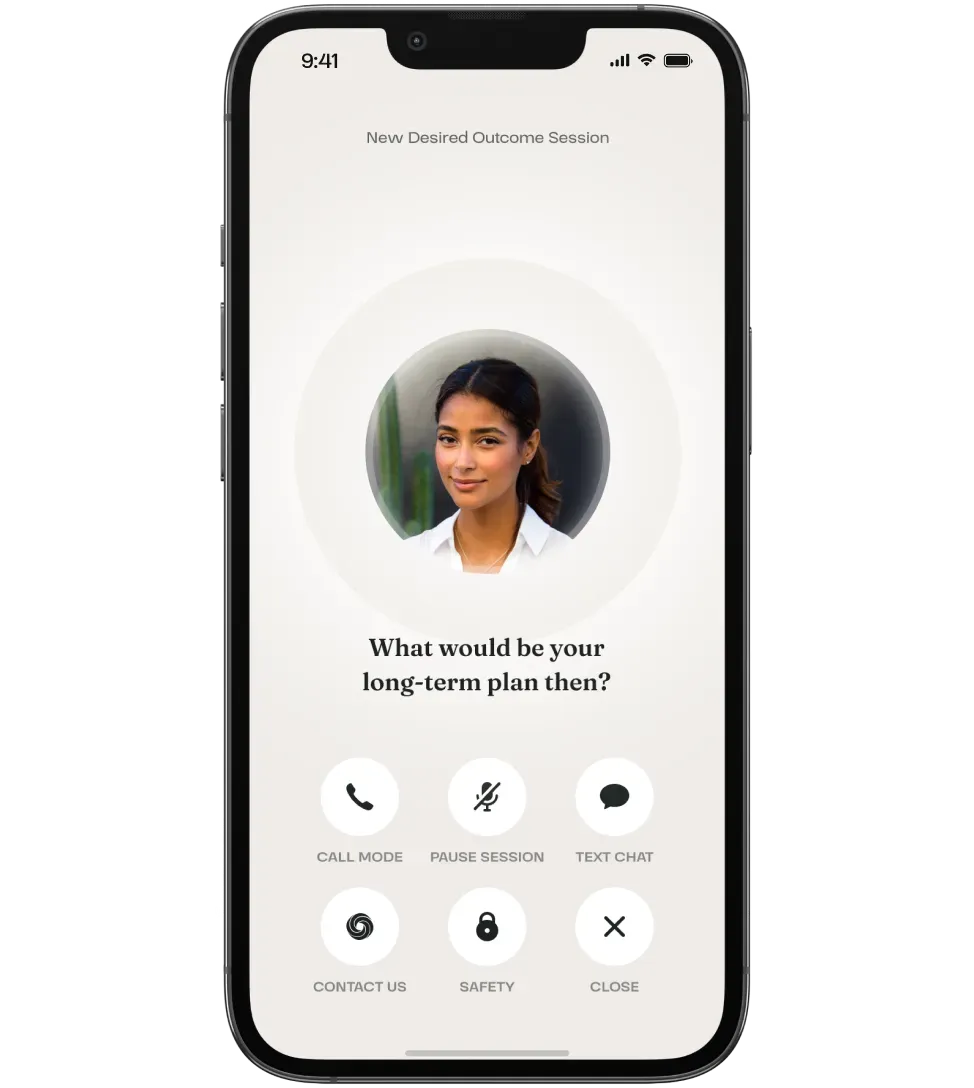
Not everyone needs or wants therapy. Many people simply need consistent support during everyday work stress. Yuna is an AI mental health coach designed for daily use rather than crisis care. It supports emotional awareness, reflection, and regulation in short sessions that fit into workdays.
Yuna helps employees notice stress patterns early, reflect without judgment, and reset between tasks. It works as a low pressure mental health companion for people who want to improve mental health at work without labels or diagnosis. For remote teams and busy professionals, it supports habit consistency without adding another obligation.
Try For Free
FAQs
What are some healthy habits for mental health?
Healthy habits include setting clear work boundaries, taking short breaks, practicing emotional check ins, reducing digital overload, and ending the workday with mental closure. These habits protect focus and energy when practiced consistently.
What habits improve mental health at work?
Habits that improve mental health at work -
- Single tasking reduces overwhelm and improves clarity.
- Movement breaks support both physical and mental reset.
- Reflection helps process the day without spiraling into rumination.
- Asking for help early prevents silent stress.
- Clear start and end rituals create structure and emotional safety.
How can employees improve mental wellbeing without therapy?
Employees can improve wellbeing by building small daily habits that support awareness and recovery. AI mental health coaching can support reflection and stress tracking by offering low-pressure support without replacing professional care.
How does work life balance affect mental health?
Poor balance increases stress, fatigue, and emotional strain over time. Clear boundaries, predictable schedules, and time to time away from work help prevent burnout, reduce anxiety, and support long-term mental health.
Try For Free