

TL:DR;
Mindfulness is the practice of staying present and aware without judgment, helping you feel calmer and more in control. It reduces stress, improves focus, and supports better emotional responses through simple daily habits. You do not need long sessions, just a few mindful moments each day can make a difference. Consistency, not perfection, is what builds lasting results.
Try For Free
Feel calmer in minutes
Your mind rarely slows down and you jump from one thought to another. Stress builds up and small things start to feel bigger than they are. It becomes hard to focus, relax, or even enjoy simple moments.
This is where mindfulness helps.
Mindfulness is a simple way to bring your attention back to the present moment. You do not need tools, long sessions, or any special skill. Just a few minutes can help you feel calmer and more in control.
With regular mindfulness practice, you can reduce stress, improve focus, and handle emotions better. This guide will help you understand what mindfulness means, why it matters, and how you can start today.
Feel Calm In Minutes With Yuna
What Is Mindfulness?
Mindfulness means being fully present in the moment and aware of what you are feeling, thinking, and doing without judging it. It is about noticing your thoughts instead of getting lost in them.
This is something you already have. However, you just do not use it often.
With practice, you can strengthen it.
Many people think mindfulness means stopping thoughts but that is not true. Your mind will always be flooded with thoughts. Therefore, mindfulness is about noticing those thoughts and letting them pass.
For example, you feel stressed before a meeting but Instead of reacting instantly, you notice the feeling. You take a deep breath and observe it.
That small pause changes how you respond.
That is mindfulness in action!
Stay Present With Yuna Today
Why Is Mindfulness Important?
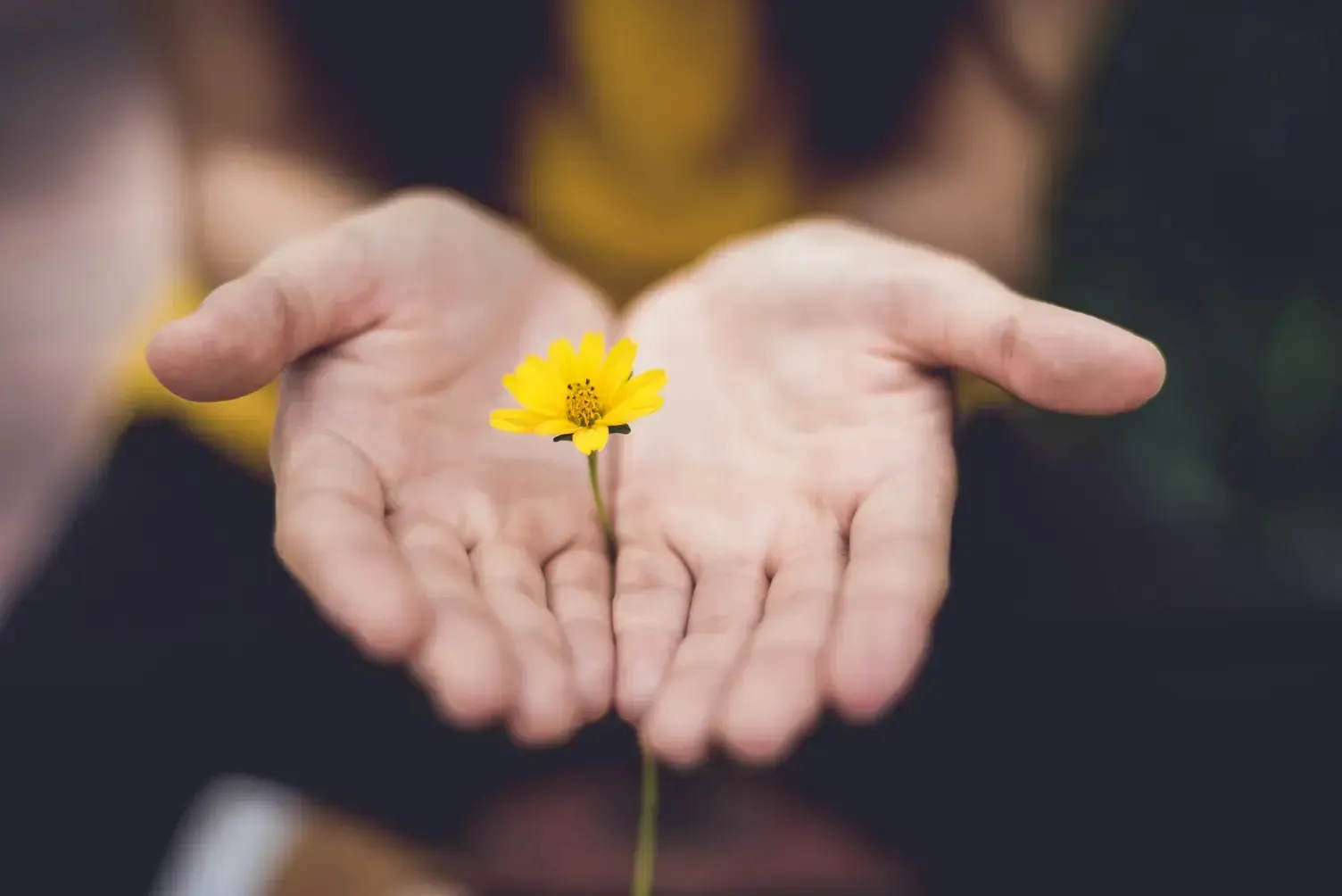
Most people live on autopilot. You react before you think, which results in building stress without you noticing it. Over time, this affects your focus, mood, and health.
Mindfulness helps you slow down and create a gap between what you feel and how you react. That small gap gives you control.
It also supports your brain and helps you stay focused, reduces mental noise, and makes it easier to handle emotions in a calm way.
Try Mindfulness With Yuna For Free
Key Benefits of Mindfulness
- Reduces stress and mental overload: Mindfulness helps your body relax. It lowers the constant pressure you feel during the day. You stop reacting to every thought, which reduces mental clutter.
- Improves focus and attention: When your mind wanders less, you can stay on one task longer. Mindfulness trains your brain to come back to the present, which improves concentration over time.
- Helps manage emotions better: You become more aware of your feelings. Instead of reacting instantly, you pause and choose how to respond. This helps you stay calm in difficult situations.
- Improves sleep and daily calm: A busy mind often leads to poor sleep. Mindfulness helps you slow down your thoughts, which makes it easier to relax and rest at night.
Many people who practice mindfulness say the same things:
- “I stop overthinking small things”
- “I react less and think more”
- “It helps me feel in control again”
Mindfulness vs Mindfulness Meditation
Mindfulness and mindfulness meditation are related, but they are not the same. Let’s try to understand the distinction between them.
Mindfulness is a way of living. It means being aware of your thoughts and actions throughout the day.
On the other hand, mindfulness meditation is a practice. It helps you train your mind to be more present.
For example, mindfulness is when you pay full attention while eating. You notice the taste, texture, and smell of your food.
However, when you meditate properly, you sit quietly and focus on your breath for a few minutes.
Meditation builds the skill and mindfulness is how you use that skill in daily life.
Feel Calm In Minutes With Yuna Today
Simple Mindfulness Practices for Daily Life
You do not need long sessions to practice mindfulness. Small moments during the day are enough. Even one minute can make a difference.
You do not need 30 minutes. All you just need is just awareness.
Mindful Breathing
Take a slow breath in and out. Focus only on your breathing. If your mind wanders, bring it back to your breath. Even one minute of this can help you feel calmer.
Mindful Eating
When you eat, slow down. Notice the taste, smell, and texture of your food. Avoid distractions like your phone. This simple habit helps you stay present.
Mindful Walking
While walking, pay attention to your steps. Notice how your feet move and how your body feels. Look around and observe your surroundings.
Body Awareness Check
Pause for a moment and notice your body. Are your shoulders tense? Is your jaw tight? This quick check helps you release stress.
Pause Before Reacting
Before responding to a message or situation, pause for a few seconds. Take a breath. This small pause can change how you respond.
Try For Free
Easy Mindfulness Exercises for Beginners
You do not need experience to start. These mindfulness exercises are simple and easy to follow. There is no pressure to do them perfectly.
3-Breath Reset Exercise
Take three slow breaths. Focus only on your breathing. This quick reset helps calm your mind and reduce stress in the moment.
5-4-3-2-1 Grounding Technique
Notice five things you see, four you feel, three you hear, two you smell, and one you taste. This brings your attention back to the present. Grounding techniques are also helpful to reduce anxiety.
Body Scan
Close your eyes and slowly focus on each part of your body. Notice any tension or discomfort. This helps you relax and become more aware.
Thought Labeling
When a thought appears, label it as “thinking” or “worrying.” This creates distance and stops you from getting stuck in it.
Sensory Awareness
Focus on one sense, like sound or touch. Notice details around you. This helps you stay grounded in the moment.
Many people prefer short exercises like these. They are easy to follow and can be done during stressful moments.
Reset Your Mind With Yuna Today
Mindfulness Meditation for Beginners
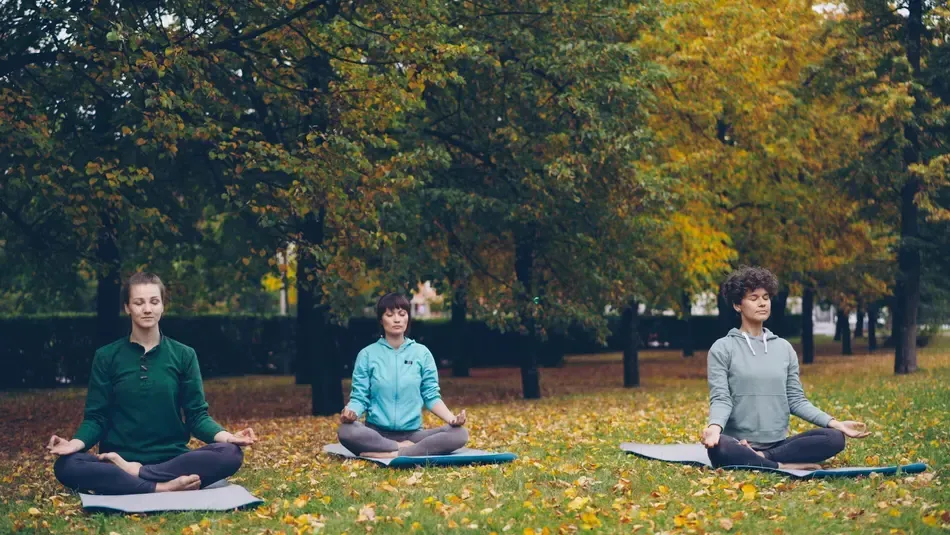
Mindfulness meditation is a simple way to train your mind to stay present. You do not need to do it perfectly. Your mind will wander, and that is normal.
The goal is not to stop thinking. The goal is to notice when your mind drifts and bring it back. That is the practice.
You can start with just a few minutes. Even 5 minutes is enough to see a difference over time. What matters is consistency, not duration so you should build a daily meditation habit.
If you feel distracted, that is okay. Coming back to your breath is the practice. That is where progress happens.
Step-by-Step Mindfulness Meditation
- Sit comfortably: Sit in a relaxed position. Keep your back straight but not stiff. You can sit on a chair or the floor. The goal is to feel stable and at ease.
- Focus on your breath: Bring your attention to your breathing. Notice the air going in and out. You do not need to change your breath. Just observe it naturally.
- Notice your thoughts: Your mind will wander. Thoughts will come and go. Instead of fighting them, simply notice them. This helps you become aware without getting caught up.
- Bring your attention back: When you notice your mind has drifted, gently bring your focus back to your breath. This step is the most important part of the practice.
- Repeat without judgment: Your mind may wander many times. That is normal. Do not judge yourself. Each time you return, you are training your mind.
How to Practice Mindfulness (Daily Routine)
You do not need a strict schedule. Simple moments during the day are enough to build a mindfulness practice.
- Morning - Start your day with 1–2 minutes of mindful breathing. Sit quietly and focus on your breath. This helps you begin the day with clarity.
- Midday - Pause during your day. Take a few breaths and notice your surroundings. This helps you reset and reduce stress.
- Night - Before sleeping, do a quick body scan or reflect on your day. Notice how you feel without judging it. This helps your mind slow down.
Keep it simple. Small daily actions build strong habits over time.
Practice Mindfulness Daily With Yuna For Free
Mindfulness Meditation With Yuna
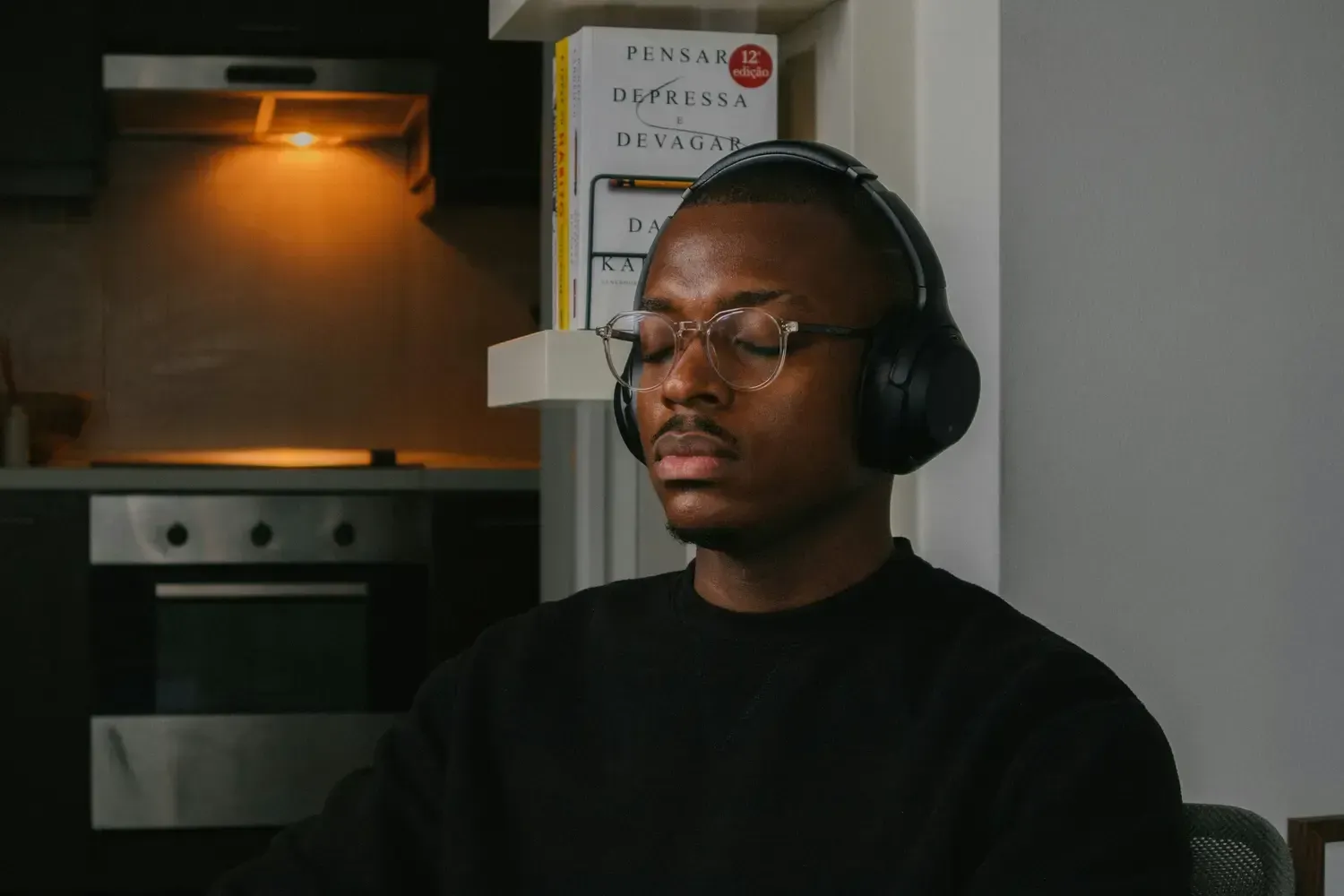
Mindfulness meditation works best when you practice it regularly. It is not about doing long sessions or about different meditation techniques. It is about showing up every day, even for a few minutes.
Many people struggle to stay consistent. Some do not know where to start. Others get distracted or lose motivation after a few days.
This is where guided support can help.
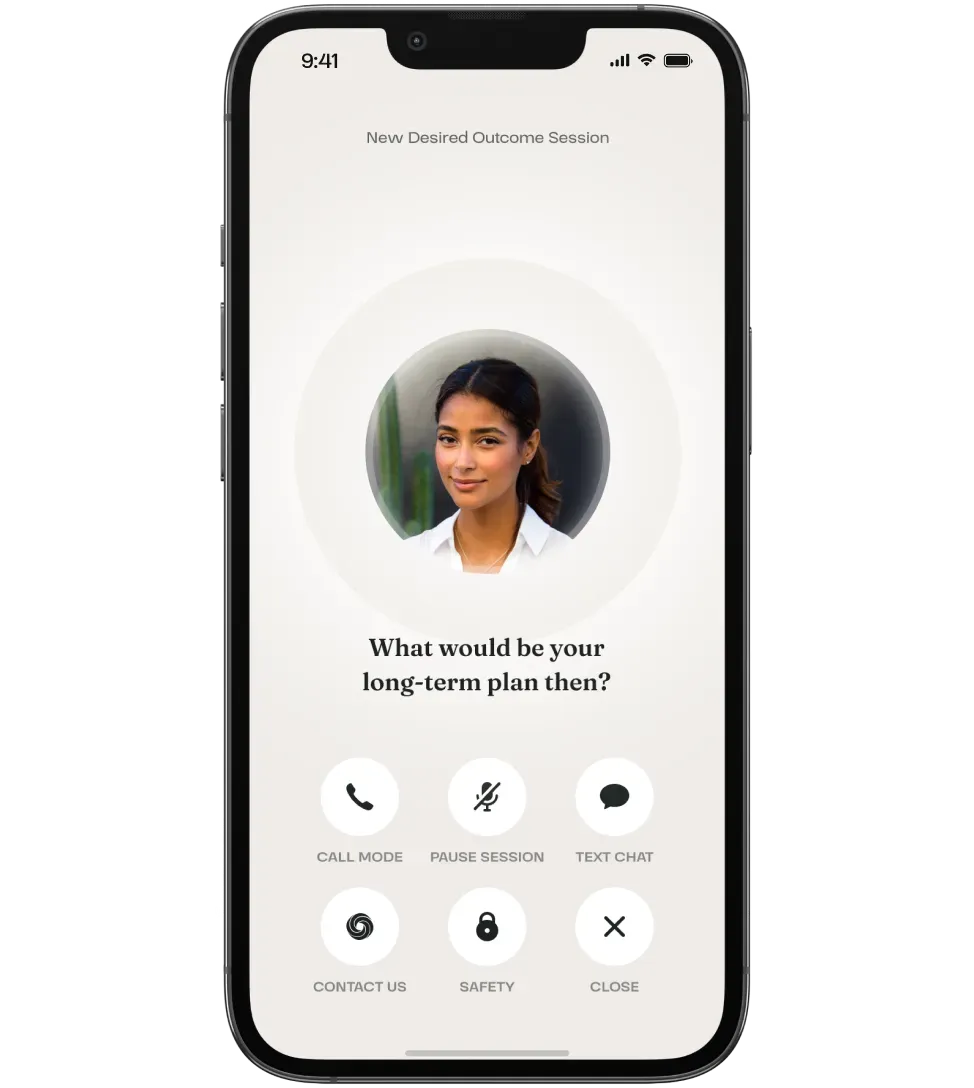
Top mental health apps like Yuna make mindfulness easier to follow. You get short guided sessions, simple exercises, and reminders that help you stay on track.
Instead of figuring everything out on your own, you can follow a clear structure by using a mental health coach like Yuna. This makes it easier to build a habit without feeling overwhelmed.
Try Mindfulness With Yuna For Free
FAQs
How to practice mindfulness?
You can practice mindfulness by paying attention to the present moment. Start with simple actions like focusing on your breath, noticing your surroundings, or being aware during daily tasks. Even a few minutes each day can help you build this habit.
How does mindfulness help you deal with stress?
Mindfulness helps you notice stress without reacting instantly. It creates a pause between your thoughts and actions. This allows you to respond in a calmer way instead of feeling overwhelmed by the situation.
Why is mindfulness important?
Mindfulness helps you stay present and aware. It improves emotional control, reduces stress, and supports better focus. Over time, it helps you handle daily challenges with more clarity and calm.
What is a mindfulness exercise?
A mindfulness exercise is a simple activity that brings your attention to the present moment. This can include breathing exercises, body scans, or grounding techniques. These exercises help reduce stress and improve awareness.
What is the definition of mindfulness?
Mindfulness is the practice of being fully present and aware of your thoughts, feelings, and surroundings without judging them. It helps you observe your experience instead of reacting to it automatically.
How to practice mindfulness meditation?
Start by sitting comfortably and focusing on your breath. Notice when your mind wanders and bring it back gently. Guided support through tools like Yuna can make it easier to stay consistent and follow a simple routine.
Try For Free