

Work does not always break people in obvious ways. Sometimes it shows up quietly.
- A tired brain that does not switch off.
- A Sunday night that feels heavy.
- A camera turned off in a meeting because someone is drained.
- A tiny mistake that leads to disproportionate panic.
Many employees feel these things and never say a word. They worry that talking about stress might affect their performance image. Many are not looking for therapy. They are looking for support and want small things that help them get through the day without drowning in pressure or self-doubt.
Mental health activities at work do not solve every problem, especially when culture or workload is harmful. But they can support emotional regulation, awareness, connection, and resilience. These activities can help people feel more human in a place that often expects productivity first.
Mental health activities are not about celebration. They are about care.
Try For Free
Why Mental Health Activities Matter at Work
Mental health activities help reduce pressure and emotional overload during the workday. They give employees tools to pause, reset, and make sense of what they feel. When these activities are available and encouraged, people experience less burnout, less isolation, and more stability.
Employees often say burnout feels normal, but it should not. When burnout continues unchecked, people stop caring about work that once mattered. They disconnect from teams. They feel slower, foggier, and irritable. They start to think something is wrong with them when the real issue is exhaustion without recovery.
From a business perspective, ignoring mental health can show up in absenteeism, presenteeism, turnover, and quiet quitting. When stress loads build for too long, people leave or disengage. Morale drops. Creativity fades. Performance becomes defensive instead of growth oriented.
Activities alone cannot fix structural problems like toxic culture or overload. But they are part of a larger support system that makes workplaces more humane.
Types of Mental Health Activities for the Workplace
There is no single activity that works for everyone. Some people need silence and grounding. Others need movement or connection. Some want private reflection without HR involvement. Others need structured workshops or awareness events.
The best approach mixes different types of activities so people can choose what works for them.
Mindfulness and Grounding Activities
Mindfulness activities help people stay present. They reduce stress loops and emotional spirals that make work tasks feel overwhelming. These activities support employees who struggle with anxiety, panic thoughts, or cognitive overload. Employers can introduce simple options such as guided breathing, meditation sessions, body scans, or sensory grounding breaks.
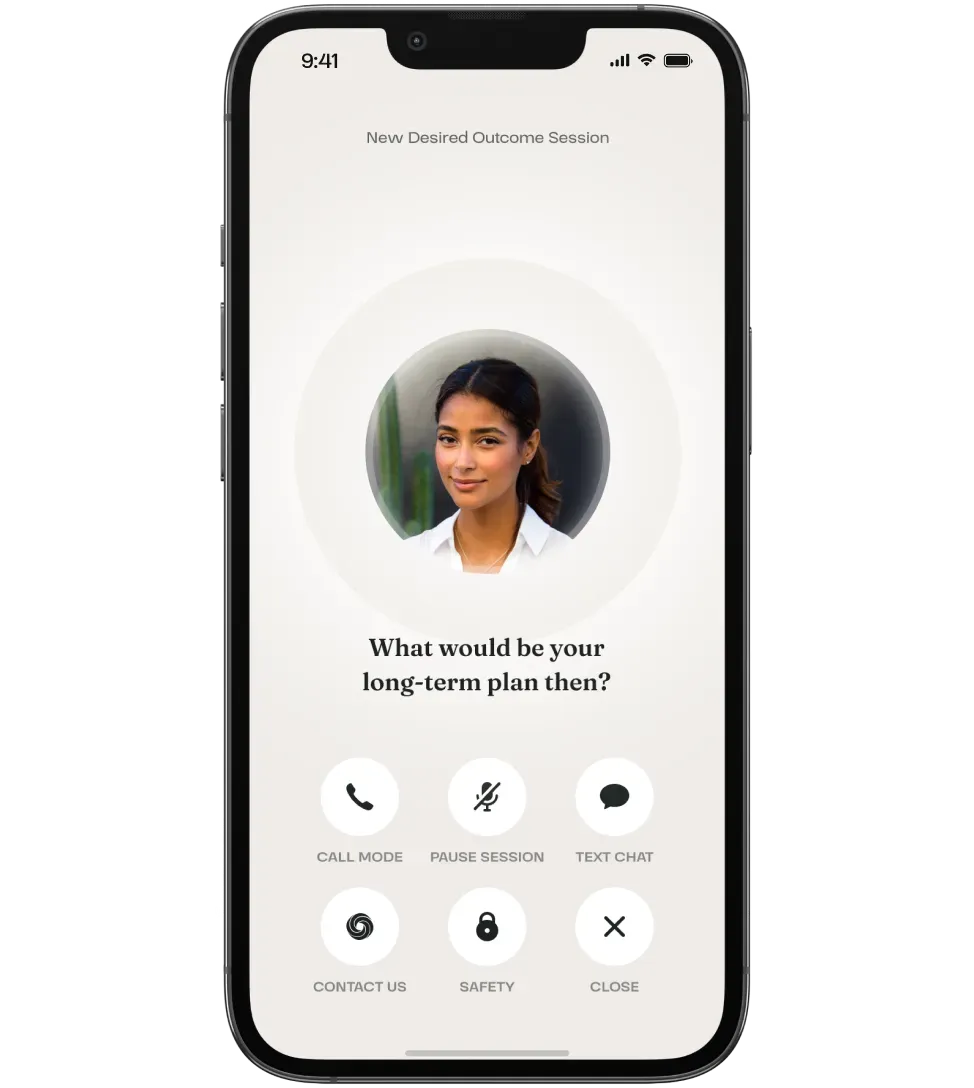
Grounding is especially useful after conflict-heavy meetings or long periods of concentration. It helps the mind switch modes instead of carrying tension forward. Digital tools can guide these activities without requiring disclosure. Yuna offers grounding prompts and emotional check-ins for moments when someone needs a reset during the day.
Journaling and Reflection Activities
Journaling supports emotional clarity and self-awareness. It helps employees name what they feel instead of suppressing it. Daily reflections, gratitude lists, prompts, and mood logs also build long-term awareness of stress patterns.
Journaling is private and judgment-free, which matters for employees who do not want HR or leadership involved in their mental health. An AI mental health coach like Yuna includes journaling and reflective questioning as part of emotional support routines, making it easier for employees to practice these activities consistently.
Movement and Physical Reset Activities
Movement shifts mental state. Short walks, stretching, yoga corners, or step challenges help release tension and improve cognitive function. Research consistently shows that physical activity reduces stress and increases emotional regulation.
These activities work well for employees who spend long hours at a desk. They also help remote employees who rarely move between meetings. Movement is a reset when the brain feels stagnant or heavy.
Connection and Peer Support Activities
Many employees want connection without forced bonding. Activities like listening sessions, buddy programs, mentoring circles, and ERGs can provide emotional support without turning work into therapy.
These activities validate that stress and uncertainty are not individual failures. They normalize emotional reality. Connection activities often help with loneliness, remote isolation, and self-doubt.
Creative and Play-Based Activities
Creative breaks give employees a different channel for expression and relief. They can include doodling, mandalas, book clubs, volunteer days, or team step challenges. These activities provide novelty and joy, which many people lack during intense work cycles.
Creative activities are especially helpful for emotional recovery after difficult seasons like layoffs, restructures, or peak workload periods. They remind employees they are more than their output.
Awareness and Education Activities
Awareness activities help reduce stigma and confusion about mental health. Workshops, speaker events, mental health first aid training, and EAP communication campaigns make support more visible and accessible.
The most effective education activities are practical and empathetic, not clinical or diagnostic. They help employees understand how stress works and what resources exist.
Personal Emotional Routines
Personal routines support mental health without requiring formal programs. These activities include micro-breaks, after-meeting resets, boundaries, and single-task focus periods.
These routines help employees who deal with emotional overload, perfectionism, or constant context switching. They are preventive, not reactive.

Micro Workplace Mental Health Activities for Daily Workflows
Mental health activities do not need to be big, scheduled, or public. Many employees say they need small things that help them get through the day without collapsing under stress. Micro activities support regulation and awareness during the workday in quiet ways.
These activities are especially useful for employees who do not want to talk about mental health at work, do not want therapy, or worry about stigma. They bridge the gap between burnout and recovery.
Below are micro activities that help during real work conditions.
Mindful Emailing
Before sending an email, pause and take one slow breath. Read the message again and check tone, intention, and clarity. This reduces reactive communication and conflict spirals. It also helps regulate stress during communication-heavy jobs.
Desk Resets
Clear a small area of the desk, stretch for thirty seconds, adjust posture, and reset breathing. Desk resets reduce cognitive clutter and help during switching tasks.
Hydration Rituals
Short hydration breaks allow employees to disconnect without explanation. Pairing hydration with silence or breathing helps regulate tension and increases energy levels.
Digital Detox Moments
Silence notifications for five to ten minutes. Avoid email, chat platforms, and social media. Digital detox moments help with focus maintenance and reduce stimulation overload, especially after meetings.
Gratitude Check-ins
List three things that felt okay or positive during the day. Gratitude check-ins support emotional balance and help shift attention from pressure to perspective.
End of Day Reflections
A simple reflection like “What went well,” “What was difficult,” and “What do I need tomorrow” helps the brain transition out of work mode. Reflection also reduces rumination in the evening, which many employees struggle with.
Journaling
Journaling helps process stress in private. It is supportive for people who do not want to verbalize emotions or disclose mental health. Journaling also builds pattern recognition over time.
Yuna provides short reflective journaling prompts that support emotional awareness without judgment or pressure.
Affirmations
Affirmations counter negative self-talk and imposter feelings. They help with confidence dips, perfectionism, and anxiety around performance.
These micro activities fall under mindfulness exercises at work and are often the most accessible mental wellness activities for employees.
Employee Mental Health Activities for Awareness Month
Mental Health Awareness Month takes place every May. It encourages open conversation, stigma reduction, education, and support. Awareness activities should be optional, inclusive, and trauma aware, since not everyone experiences awareness events as celebratory.
Workshops and Speaker Sessions
Experts can teach employees about stress, emotional regulation, anxiety, boundaries, resilience, or self-care skills. Workshops help build understanding, reduce stigma, and make mental health feel like a normal topic rather than a workplace taboo.
Journaling and Reflection Challenges
Journaling encourages emotional awareness without disclosure. It helps employees slow down and ask how they really feel about their work, boundaries, or energy levels. Reflection challenges also work for remote teams and introverted employees who prefer private processing over group activities.

Mindfulness and Meditation Sessions
Short sessions teach grounding and calming strategies that help during overwhelming tasks or long workdays. Mindfulness is often more effective in small doses than in long classes. It can support focus, emotional clarity, and stress recovery during busy schedules.
Volunteer Programs and Fundraisers
Community-based activities help employees feel connected to something meaningful outside the office. Fundraisers, awareness walks, or volunteer days give employees a sense of purpose and shared values. This helps reduce isolation and increases workplace morale and belonging.
Book Clubs or Discussion Circles
Books create emotional distance that makes sensitive topics easier to explore. A book club allows employees to talk about burnout, identity, or emotional health without personal disclosure. Discussion circles also build psychological safety and respect across teams.
Step or Movement Challenges
Movement boosts mood, sharpens concentration, and reduces tension. Step challenges and group movement activities encourage healthy competition and camaraderie. Movement also works for people who do not want to talk about emotions but benefit from mind-body routines.
These mental health awareness activities work best when paired with empathy, choice, and privacy. Awareness Month should never feel like a performance or obligation. It should make support feel normal and accessible.
Activities Employees Can Do Independently
Not everyone wants activities that involve leadership or HR. Many people prefer mental health support that is private and self-guided. Independent activities support employees who do not want to disclose mental health or do not know how to ask for help.
Solo Journaling
Journaling helps employees process difficult emotions at their own pace. It reduces rumination, increases awareness of stress triggers, and helps people make sense of their work experiences. It also builds emotional vocabulary and insight, which are protective against burnout.
Breathing Techniques
Breathing practices support focus and calm during stressful periods and before demanding tasks. They also help regulate anxiety spikes during meetings or while answering messages. Breathing practices are discreet, quick, and require no equipment.
Grounding Practices
Grounding helps when stress feels overwhelming or when emotions feel heavy. It can include sensory resets, slow stretching, or the five-senses technique. Grounding teaches the mind to return to the present instead of spiraling toward worry or overload.
Micro Boundaries
Small boundaries prevent emotional depletion. Examples include avoiding work messages after a certain hour, taking breaks after long meetings, or pausing before switching tasks. Micro boundaries can be a first step for employees who struggle to ask for accommodations or workload relief.
Digital Emotional Support Tools
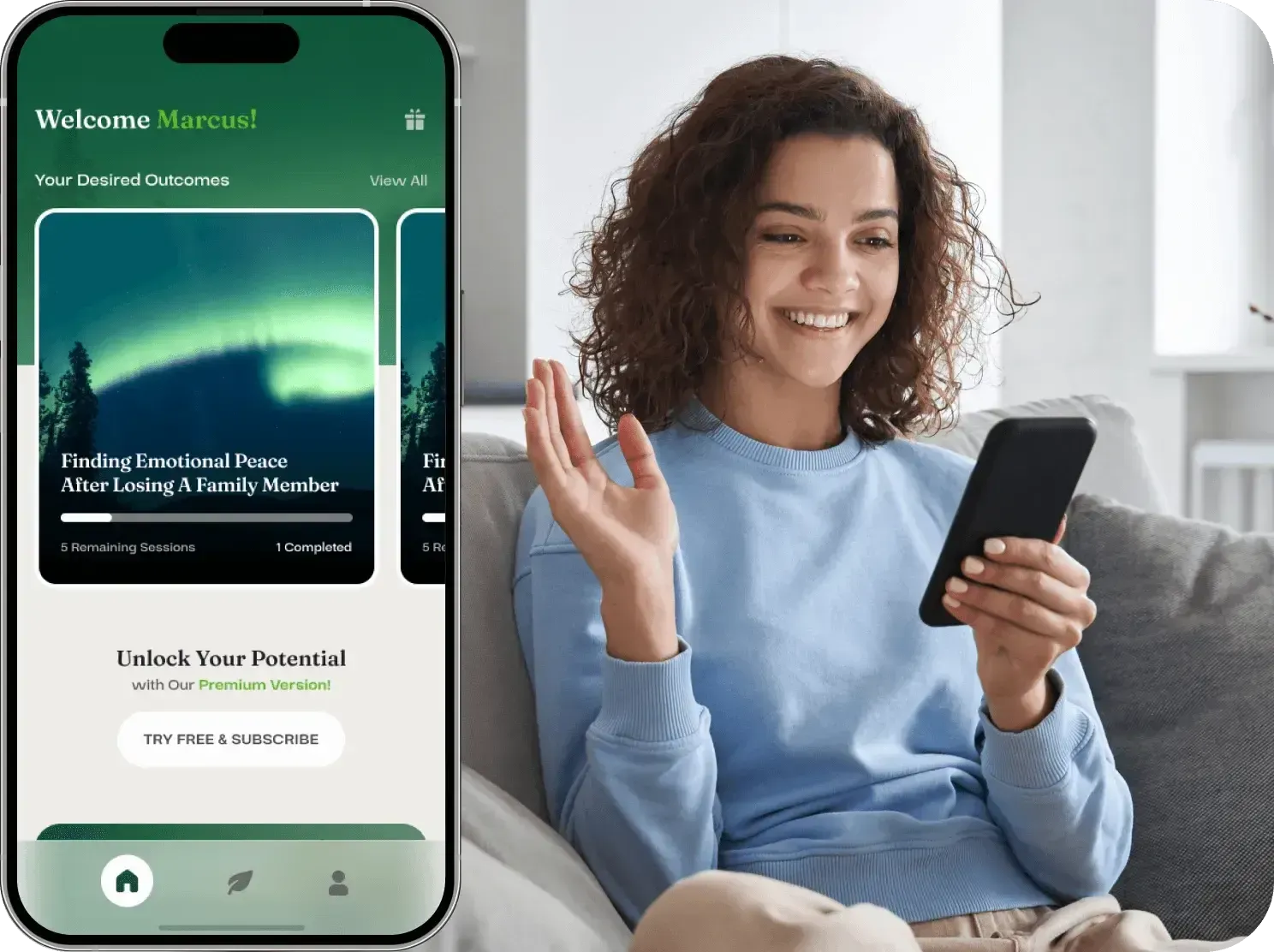
Mental health apps like Yuna give employees private emotional support through reflection, grounding, journaling, and emotional check-ins. This is helpful for people who are “not okay, not crisis, not clinical.” Yuna works as an AI mental wellness coach that supports coping and regulation without requiring disclosure to coworkers or HR.
Independent activities should be a part of workplace mental health strategies. They matter because many employees cope quietly. They help people who feel hidden, isolated, or unsure where to begin.

How to Choose Ideal Mental Health Activities for Your Workplace
Choosing activities should be intentional. The goal is not wellness washing or surface level “perks.” Activities should support the whole person.
Criteria that help leaders and HR choose activities include:
✓ Accessibility
Activities should work for employees with different physical, cognitive, and sensory needs. Accessibility also includes remote workers and hybrid teams.
✓ Inclusivity
Mental health activities should make sense for different cultures, identities, and neurotypes. Inclusivity also avoids assuming that all employees experience stress in the same way.
✓ Voluntary Participation
Employees should never feel forced to perform wellness in front of leadership. Opt-in participation increases safety and authenticity.
✓ Emotional Safety
Some activities can trigger vulnerable emotions. Safety means pacing the activity, having support resources available, and avoiding pressure to disclose personal experiences.
✓ Trauma Awareness
Trauma is more common than workplaces assume. Trauma-aware activities avoid intense emotional methods without support and never ask for personal stories in public settings.
✓ Privacy and Boundaries
Mental health activities should never be tied to productivity metrics or evaluations. Mental health is care, not performance.
✓ Cultural Fit
Activities should match how employees socialize, communicate, and cope. A strategy that works for a creative team may not work for a manufacturing floor.
✓ Stigma Reduction
Activities should make care feel normal. When support becomes normalized, people are more likely to seek help before burnout becomes collapse.
The most effective workplaces combine cultural strategies, private practices, and supportive tools so employees feel like humans first, not resources.
Bringing Mental Health to Work in Real, Human Ways
Workplace mental health is not one thing. It is culture, communication, workload, boundaries, and daily emotional habits. Mental health activities in the workplace can help, but the most effective ones acknowledge how people actually feel at work: tired, overwhelmed, disconnected, pressured, or quietly burnt out. The goal is not perfection. It is support that feels doable, private, and human.
Digital tools now fill an important space in between, helping people who are not in crisis but not fully okay either.
Yuna fits here.
It works as an AI mental wellness coach that supports emotional regulation, grounding, and reflection in simple daily moments. It is private, stigma-free, and available without disclosure. This makes emotional support more accessible for employees who would never raise their hand or ask for help out loud.
If your workplace wants to make mental health visible, supportive, and preventive, Yuna can help.
Try Yuna and explore how daily emotional support fits into your workplace wellness strategy.
FAQs
What are mental health activities for the workplace?
Mental health activities are practices that support emotional well-being during work. They can include mindfulness, grounding, movement, journaling, gratitude, reflection, peer support, workshops, and awareness events. Activities reduce stress, increase clarity, and help employees manage emotional fatigue without needing clinical intervention.
Do mental health activities actually help burnout?
Activities support regulation, self-awareness, recovery, and coping. They can slow burnout and prevent escalation. They help people feel less alone and more emotionally equipped. However, activities cannot fix structural causes of burnout like toxic culture, chronic workload, lack of autonomy, or fear-based management.
What mental health activities can employees do on their own?
Journaling, breathing exercises, grounding practices, hydration rituals, solo walks, micro-breaks, affirmations, and digital emotional support tools like Yuna. Independent activities matter for employees who prefer privacy or do not want to disclose mental health concerns at work.
What mental health activities work for remote teams?
Remote teams benefit from mindfulness sessions, journaling challenges, speaker series, digital detox breaks, gratitude prompts, buddy programs, and movement challenges. Remote teams also respond well to digital check-ins and asynchronous activities because emotional needs often arise outside meeting hours.
Are digital mental health activities effective?
Digital tools are effective for many people because they are private, accessible, and available daily. They help employees regulate stress, reflect on emotions, and develop awareness over time. Digital support is especially helpful for remote workers, introverted employees, and those who do not want therapy but still need help.
Are AI mental wellness tools safe at work?
AI tools are generally safe if they respect privacy, do not diagnose, and do not sell or share sensitive data. Employees should review privacy policies and understand boundaries. Tools like Yuna are designed for emotional support, not clinical treatment, and include crisis and ethical safety limits.
Does journaling help with workplace stress?
Yes. Journaling reduces rumination, increases clarity, and helps label emotions. Many employees use journaling to untangle stress, identify triggers, and understand patterns in their work life. It also supports emotional regulation without needing to disclose information to others.
What is a trauma-informed workplace activity?
A trauma-informed activity is optional, non-pressuring, and emotionally safe. It avoids forced sharing or vulnerability, recognizes that people have different mental health histories, and provides choice and privacy. Trauma-informed activities focus on support rather than performance.