


Work has always been demanding, but something shifted in the last few years. More people are running on low emotional batteries. They feel drained, overwhelmed, unfocused, or quietly anxious. Not in crisis, but not fine either. Many describe it as “tired in ways sleep does not fix” or “functioning while mentally checked out.”
Thousands of employees reflect the same pattern:
- “Burnout feels normal but it shouldn’t.”
- “I don’t know who to talk to without it affecting my reputation.”
- “HR is not where I go for mental health.”
- “I don’t want therapy, I just need support.”
Most workers do not disclose stress or emotional strain. Many fear being judged as unprofessional, weak, or replaceable. Some worry that speaking up will hurt their future opportunities. Others feel like they should be able to handle everything alone.
At scale, this quiet struggle becomes a workplace issue. Stress, burnout, and disengagement affect real people first, and businesses second. Productivity drops. Turnover increases. Creativity slows. Absenteeism rises. Teams lose trust. Leaders lose credibility. And organizational culture becomes tense and brittle.
This article looks at workplace mental health from both sides, the human side and the organizational one. It explores strategies that help employees feel safe, supported, and valued, including modern tools like AI mental health coaching. Because the future of workplace mental health is not just therapy, benefits programs, or policy reform. It is also daily emotional support, prevention, early awareness, and accessible help.
The Real Impact of Mental Health at Work
Mental health does not start and end at the office. When someone is overwhelmed at work, it affects their sleep, relationships, self-esteem, and motivation. It becomes harder to focus, remember tasks, or feel confident. The emotional energy spent masking stress at work means less emotional energy for life.
What the Data Shows
Research aligns with lived experience:
- Absenteeism and presenteeism cost companies billions globally every year.
- Overthinking, stress and burnout increase turnover.
- Emotional fatigue affects productivity and innovation.
- Poor mental health reduces engagement and motivation.
- Quiet quitting is often a mental health outcome, not a moral failing.

What Workers Say
Various sources indicate that employees often describe their mental health in following statements:
- “I go home with no energy left for my family.”
- “My brain is always tired.”
- “I am constantly anxious about job security.”
- “I care, but I feel numb.”
Many do not describe their symptoms as mental illness. They describe them as exhaustion, overload, doubt, or disconnect. This matters because workplace mental health strategies must support the full spectrum and not just clinical needs.
The Business Case
Organizations benefit when people feel well:
- Better retention
- Better morale and collaboration
- Less absenteeism
- Higher performance
- Stronger culture
But the business case is not the main reason mental health matters. It matters because work involves people, and people are not machines.
Why Workplaces Need Mental Health Strategies
Saying a company “cares about mental health” is not a strategy. Real strategies go beyond slogans, wellness posters, and “self-care reminders.” They show up in culture, communication, policy, workload, and leadership decisions.
A workplace mental health strategy touches:
- Policy (how the company protects people)
- Culture (how people treat people)
- Tools (what support exists)
- Resources (what is accessible)
- Leadership behavior (what leaders normalize)
- Boundaries (what is acceptable workload)
- Expectations (what success requires)
A strategy also recognizes that workplaces are not identical. Stress patterns differ by industry:
- Tech: burnout, pressure, speed, remote isolation
- Frontline workers: emotional fatigue, trauma exposure, physical demand
- Corporate environments: competition, long hours, client pressure
- Manufacturing + construction: safety stress, precision, physical load
- Retail + hospitality: customer intensity, low pay, irregular hours
- Nonprofits: emotional overload, mission fatigue, low resources
Mental health strategies must meet both the culture and the industry where they are.
Core Workplace Strategies for Better Mental Health
Here are the strategies most discussed, tested, and validated across research, workplace surveys, and lived experience. These are not perks. They are conditions for emotional well-being.
Build a Culture of Psychological Safety
Psychological safety means people can ask questions, share ideas, admit mistakes, or raise concerns without fear of punishment or humiliation.
However various sources proves how rare this is:
“The reason I burned out is because I couldn’t say I was burning out.”
Fear of speaking up leads to quiet burnout. Quiet burnout leads to disengagement. Disengagement leads to turnover.
Psychological safety starts with leaders, modeled through vulnerability, curiosity, and fairness and not empty slogans.

Support Work-Life Balance (Not Just Say It)
Most companies talk about balance but fewer structure work for it.
Real balance touches:
- Workload fairness
- Flexible or remote options
- Disconnect norms after hours
- Realistic timelines
- Vacation without guilt
- Recovery time after peak workloads
Balance is not a perk. It is a necessary condition for long-term productivity.
Normalize Conversations About Mental Health
People talk openly about burnout online before they ever talk about it at work. This gap creates stigma.
Helpful workplace practices include:
- leaders discussing their own stress experiences
- manager training on emotional conversations
- reminders that mental health is not taboo
- avoiding language that labels people as “difficult,” “too sensitive,” or “unprofessional”
The absence of conversation does not remove stress. It hides it.
Accessible Mental Health Benefits
Therapy, EAPs, and counseling matter. But accessibility issues remain:
Workers often say:
- “I did not know we even had an EAP.”
- “I didn’t know how to use it.”
- “It took weeks to get an appointment.”
- “I wanted support but not therapy.”
Support must be easy to understand and stigma-free.
This is also where digital emotional wellness tools, including AI-based options like Yuna Health, make benefits more reachable for people who need support but are not seeking clinical care.
Peer and Community Support
Belonging protects mental health. Mentorship, buddy systems, and employee resource groups can reduce isolation and build culture.
The opposite of burnout is not rest. It is ‘connection’ and ‘meaning’.
Mindfulness, Stress Reduction, and Emotional Skills
These strategies help with regulation and grounding in daily work.
Examples:
- Mindfulness breaks
- Breathing exercises
- Grounding tools
- Short meditation sessions
- Journaling and reflection prompts
These are not cures, but they are buffers.
Recognition and Purpose
Burnout often comes from effort with no meaning. Even high performers disengage when they feel replaceable or unseen.
Recognition does not always mean rewards. Sometimes it means attention, gratitude, and acknowledgment.
Training Managers to Identify Strain
Managers act as first responders in workplace mental health. Yet most are not trained for emotional conversations, stress detection, or burnout awareness.
When managers cannot recognize strain, they treat exhaustion as laziness or poor performance.
This misinterpretation deepens burnout. Therefore, a good manager is crucial for better implementation of workplace mental health strategies.

Modern Digital Strategies for Workplace Mental Health
Workplace mental health used to rely almost entirely on therapy coverage, EAPs, and HR programs. Those matter, but they do not reach everyone. Not everyone needs therapy. Not everyone trusts HR. Not everyone wants to disclose their struggles publicly. Not everyone has clinical symptoms. Many just need support, tools, or a way to process stress consistently.
Digital tools add accessibility, privacy, and immediacy.
Before breaking into strategies, we must address one more user concern:
“Apps are cool, but they don’t fix burnout caused by bad culture.”
This is true!
Digital support helps individuals regulate stress. It cannot solve exploitative workload, toxic management, or chronic fear. Real solutions require both systems and tools.
Now, the modern digital strategies:
Teletherapy and Online Counseling
Remote therapy expands access for people who need clinical support but lack time, transportation, or local providers. It also reduces stigma for those who prefer quiet or private help.
Workforce Well-being Platforms
These platforms provide surveys, stress screenings, emotional training, or benefits navigation. They are popular with HR because they show usage metrics and support planning.
Mental Health Apps
Mental health apps provide mindfulness, CBT-inspired exercises, journaling, or emotional reflections. Many help bridge the gap between therapy sessions or support people who are not yet ready for therapy.
AI Mental Health Coaching
AI-based mental health coaching and wellness tools represent a newer category. They help with:
- Emotional reflection
- Grounding techniques
- Burnout awareness
- Journaling prompts
- Cognitive reframing
- Daily emotional habits
These tools are not therapists. They do not diagnose mental illness. But they support emotional health in daily life, which is where most stress is felt.
Introducing Yuna as a Workplace Mental Health Strategy
Workplaces are learning that mental health is not only about crisis intervention. It is also about prevention, early awareness, and daily emotional care. This is where Yuna fits.
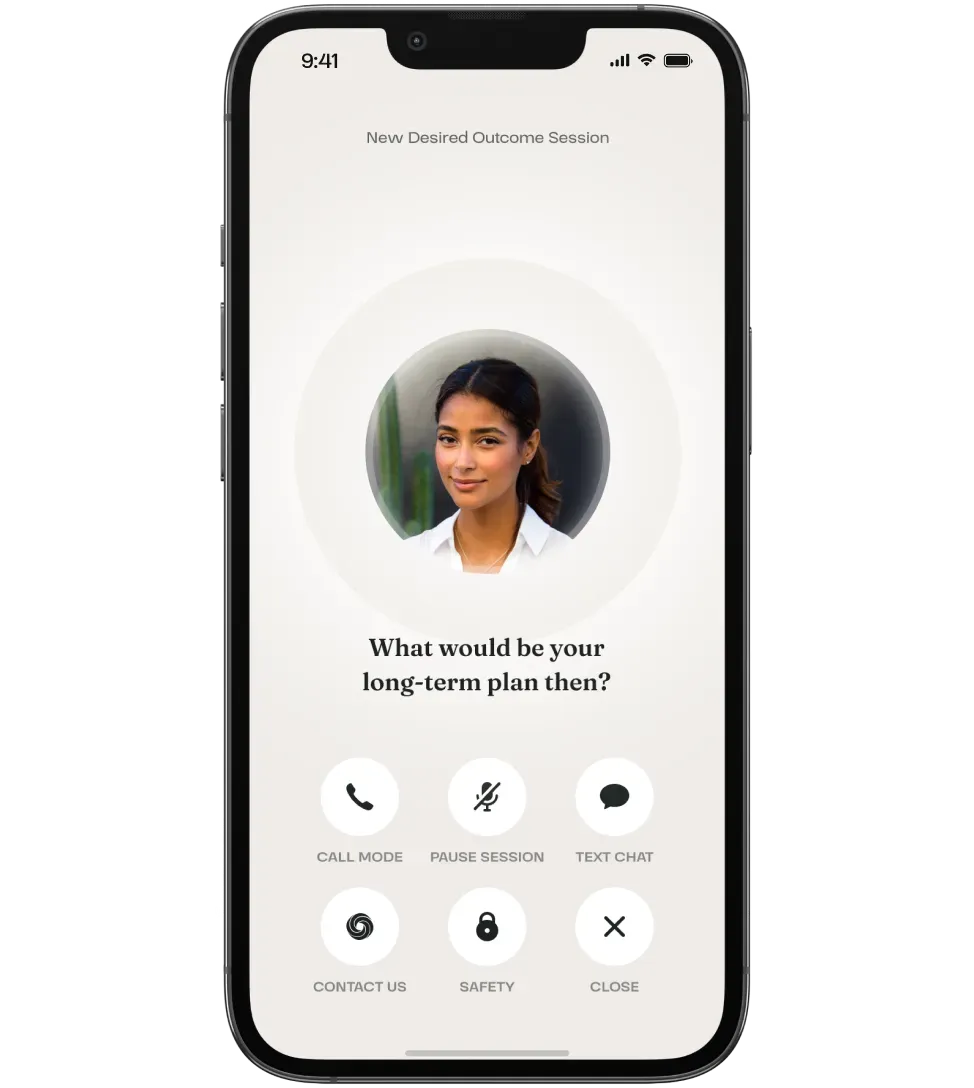
Yuna works as an AI mental wellness coach. It supports people who feel “not okay,” but not in crisis. Yuna is designed for employees who want support before their stress escalates into burnout or clinical issues.
Yuna helps employees with:
- Reflection
- Grounding exercises
- Emotional processing
- Journaling
- Daily check-ins
- Rumination awareness
- Coping habits
- Building self-understanding
This matters because most workplace emotional distress happens silently and gradually, not suddenly. Daily consistency prevents escalation.
Yuna also benefits employers through:
- Scalability
- Privacy (no pressure, no stigma)
- Accessibility (available anytime)
- Neutrality (not tied to performance reviews)
- Preventive care (early support before breakdowns)
Yuna has certain boundaries:
Yuna does not:
- Diagnose conditions
- Treat clinical disorders
- Replace therapy
- Replace HR responsibility
Yuna encourages therapy when needed and respects that some needs require human professional care.
Who benefits most from Yuna in the workplace?
- Employees with stress or workload anxiety
- Remote workers experiencing isolation
- People dealing with imposter feelings
- Individuals in transitions
- People who struggle with emotional rumination
- High performers who mask exhaustion
- Employees who want support but not therapy
This category is large but often unsupported by current workplace mental health programs.

Strategies Employees Can Use for Their Own Mental Health
Workplace stress is real, but employees also make choices around boundaries, coping, communication, and support. Not as self-blame, but as empowerment.
Boundaries
Employees often describe burnout not as “too much work,” but as “no space to be human.” Boundaries include:
- Clear work hours
- Slowed response expectations
- Disconnecting during time off
- Saying no without guilt (hard but crucial)
Boundaries protect mental energy.
Recognizing Burnout Signs Early
Burnout rarely arrives suddenly. It arrives gradually. Common signs include:
- irritability
- reduced motivation
- chronic fatigue
- emotional numbness
- detachment
- low confidence
- “functioning without feeling”
Recognizing early burnout signs gives room for intervention rather than collapse. As stated by a user:
“Burnout is not about being weak. It is about caring too much for too long without recovery.”
Communication Skills
Communication reduces silent suffering. It may mean:
- Asking for clarity
- Asking for workload support
- Expressing limits before breaking
- Flagging unrealistic timelines
Communication is not conflict. It is prevention.
Personal Emotional Routines
Small practices matter more than big interventions. Examples:
- Journaling
- Short breaks
- Grounding exercises
- Mindfulness
- Reflection
- Daily check-ins
This is where tools like Yuna provide structure.
Asking for Support
Support is not only therapy. It can be:
- Managers
- Teammates
- Mentors
- Coaches
- Digital wellness tools
- Clinicians when needed
Support is plural, not binary.
Therapy If Needed
When emotional weight becomes persistent, severe, or clinical, therapy is appropriate and often necessary. Coaching or mental health AI tools cannot replace this level of care.
Shared Responsibility: The Real Future of Workplace Mental Health
Workplace mental health is not owned by HR alone. It is shared between:
- Systems (policy, culture, workload)
- Tools (support access, platforms, digital care)
- People (leaders, managers, employees)
Work asks for productivity but must remember it is built by humans. Humans need rest, clarity, connection, and meaning. The future is not all therapy or all apps or all culture reform. It is multi-layered support that includes prevention, early intervention, and daily emotional care.
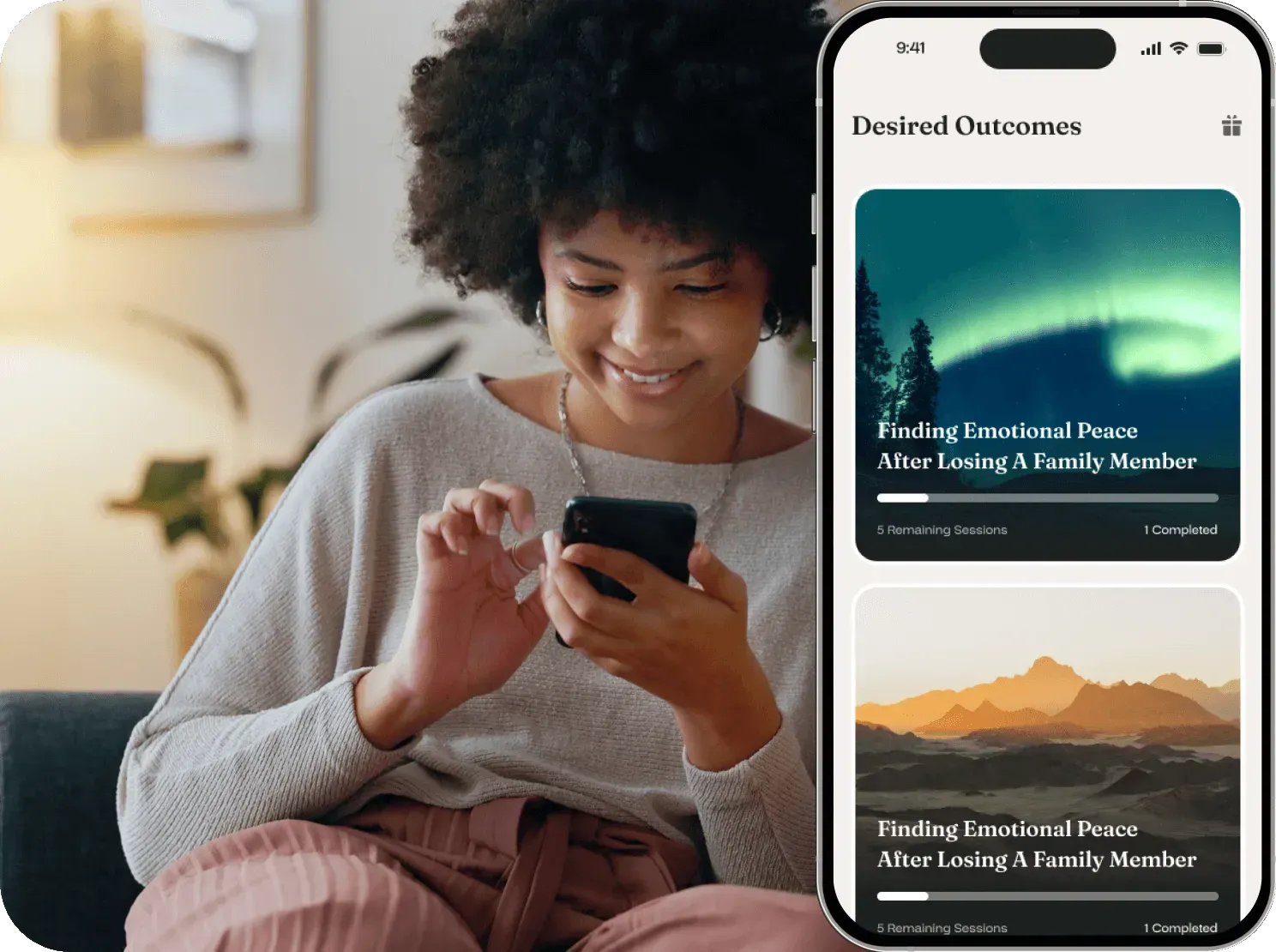
Supporting Mental Health at Work with Yuna Health
Yuna gives employees a private, consistent, non-judgmental space to process emotions, reflect, reduce stress, and build coping habits. It is best for employees who are not in crisis but still need support. It fits into preventive workplace mental health as one of the most accessible strategies available today.
FAQ
What is a workplace mental health strategy?
A workplace mental health strategy is a structured plan that supports emotional well-being through culture, policies, workloads, benefits, and daily behaviors. It includes preventive resources, clear expectations, psychological safety, support options, and training for leaders. A strategy goes beyond perks, slogans, or “self-care days.” It shapes how people work, how they communicate, how they rest, and how they ask for support without fear.
What helps employees with stress at work?
Stress relief at work is not just about yoga or meditation. It comes from realistic workloads, supportive managers, clear communication, work-life boundaries, breaks that people actually take, recognition and belonging, mental health tools, and cultures where speaking up is safe. Employees often say stress decreases when they feel valued, when expectations are clear, and when they are not punished for setting boundaries.
Do mental health apps help with workplace burnout?
Mental health apps can help employees regulate emotions, reflect, track stress, and build coping habits. They are useful for early intervention and for people who do not want or need therapy yet. But apps alone cannot fix chronic overwork, toxic leadership, or harmful culture. Burnout is both environmental and personal. Apps support the personal side. Organizations must address the environmental side.
What role should employers play in mental health?
Employers shape the conditions people work in. This includes workload expectations, pacing, communication norms, psychological safety, benefits, training, and access to mental health resources. Employees manage their boundaries, personal habits, and coping routines. Effective workplace mental health happens when both sides participate instead of one side carrying the entire responsibility.
Can digital mental wellness tools replace therapy?
No. Digital tools can help with reflection, coping skills, awareness, journaling, and stress management. They fill the space between therapy sessions or before therapy becomes necessary. Therapy remains essential for clinical symptoms, deep trauma, diagnoses, and severe emotional pain that requires human support and professional judgment.
Are AI wellness apps safe for employees?
AI wellness tools are generally safe when they respect privacy, have clear data policies, avoid unrealistic claims, and do not try to diagnose or treat clinical conditions. Employees should check how data is stored, whether information is sold, and whether the app sets healthy boundaries. Tools like Yuna focus on emotional wellness and encourage professional care when needed.
How do I ask for mental health support at work?
There are a few paths depending on comfort and workplace culture. Some start by setting or reinforcing boundaries around workload or hours. Others talk to a manager about capacity, priorities, or stress levels without using clinical labels. If formal support exists (EAPs, benefits, leave policies), employees can use those programs quietly. If the environment is unsafe or dismissive, support outside the workplace, including therapy, coaching, or tools like Yuna, can be more protective. Asking for help is not a weakness. It is a way to prevent burnout before it becomes a crisis.