


Many people describe feeling exhausted at work and immediately label it as burnout. In reality, they may be experiencing stress instead. This confusion is common, especially in demanding workplaces and remote environments where pressure feels constant. Understanding stress vs burnout matters because each requires a different response. One can improve with rest and adjustment. The other often needs deeper change and support.
So, what’s the difference between stress and burnout? Stress is usually a reaction to demands. Burnout develops when those demands continue without relief or recognition. This guide explains the difference clearly, outlines how each shows up at work and in remote roles, and shares practical ways to deal with both.
Try For Free
What Is Stress?
Stress is the body’s natural response to pressure, challenge, or demand. At work, it often appears during deadlines, heavy workloads, uncertainty, or change. In short bursts, stress can increase alertness and urgency. It can help people focus, prioritize, and perform.
Problems arise when pressure does not ease. Chronic stress at work develops when demands remain high and recovery is limited. This is common in always-on cultures and remote setups where boundaries blur.
Common signs of stress include:
- Physical symptoms such as headaches, muscle tension, stomach issues, or fatigue
- Emotional symptoms like irritability, anxiety, restlessness, or feeling overwhelmed
- Cognitive symptoms including racing thoughts, difficulty concentrating, or indecision
Despite these symptoms, stressed employees are usually still engaged. They care about their work and want to do well, even if they feel stretched.
Try For Free
What Is Burnout?
Burnout is a state of emotional, mental, and physical exhaustion that develops after prolonged, unmanaged stress. It is strongly linked to work environments and expectations. Burnout due to work often appears when people feel overextended, undervalued, or unable to influence their workload or outcomes.
Unlike stress, burnout is not about having too much to do. It is about having too little left to give.
Burnout is commonly characterized by:
- Emotional exhaustion that does not improve with rest
- Detachment, cynicism, or negativity toward work
- Reduced effectiveness and motivation
- A sense that work no longer feels meaningful

Remote workers are especially vulnerable when long hours, isolation, and lack of feedback combine. Without clear boundaries, burnout can develop quietly.
Try For Free
Stress vs Burnout Differences Explained Simply
Stress and burnout are often used interchangeably, but they describe very different experiences. Understanding how they differ helps people respond appropriately instead of applying quick fixes that do not work.
Stress Is Overload, Burnout Is Depletion
Stress feels like having too many demands at once. There is pressure, urgency, and a sense of being stretched thin. Burnout feels different. It feels like the internal resources are gone. Instead of too much to do, there is nothing left to give. Energy, motivation, and emotional capacity feel drained rather than overwhelmed.
Stress Still Involves Caring
When someone is stressed, they usually still care deeply about their work. They may worry about deadlines, performance, or letting others down. Burnout often removes that emotional connection. People feel detached, indifferent, or numb. The shift from caring too much to not caring at all is a key signal that burnout may be present.
Stress Improves With Rest
Stress often responds well to rest, breaks, or short-term relief. A weekend off, time away, or reduced workload can help reset the system. Burnout does not resolve this way. Even after time off, people may return feeling flat or exhausted. Burnout usually requires deeper changes, not just recovery time.
Burnout Changes How You See Work and Life
Burnout affects perception, not just energy levels. People may feel hopeless, ineffective, or disconnected from their sense of purpose. Work can start to feel meaningless. Confidence declines, and small tasks feel heavy. This shift in outlook is one of the clearest ways burnout differs from stress.
Try For Free
Difference Between Stress and Burnout in the Workplace
The difference between stress and burnout in the workplace is shaped by systems, culture, and expectations. Stress often appears during busy periods or change. Burnout develops when pressure continues without support, recognition, or control.
Overloaded Roles and Unclear Priorities
When roles are overloaded, employees may feel constant pressure to do more with less. Stress shows up as urgency and long hours. Burnout emerges when priorities remain unclear and workloads never stabilize. People begin to feel trapped in impossible expectations with no path to improvement.
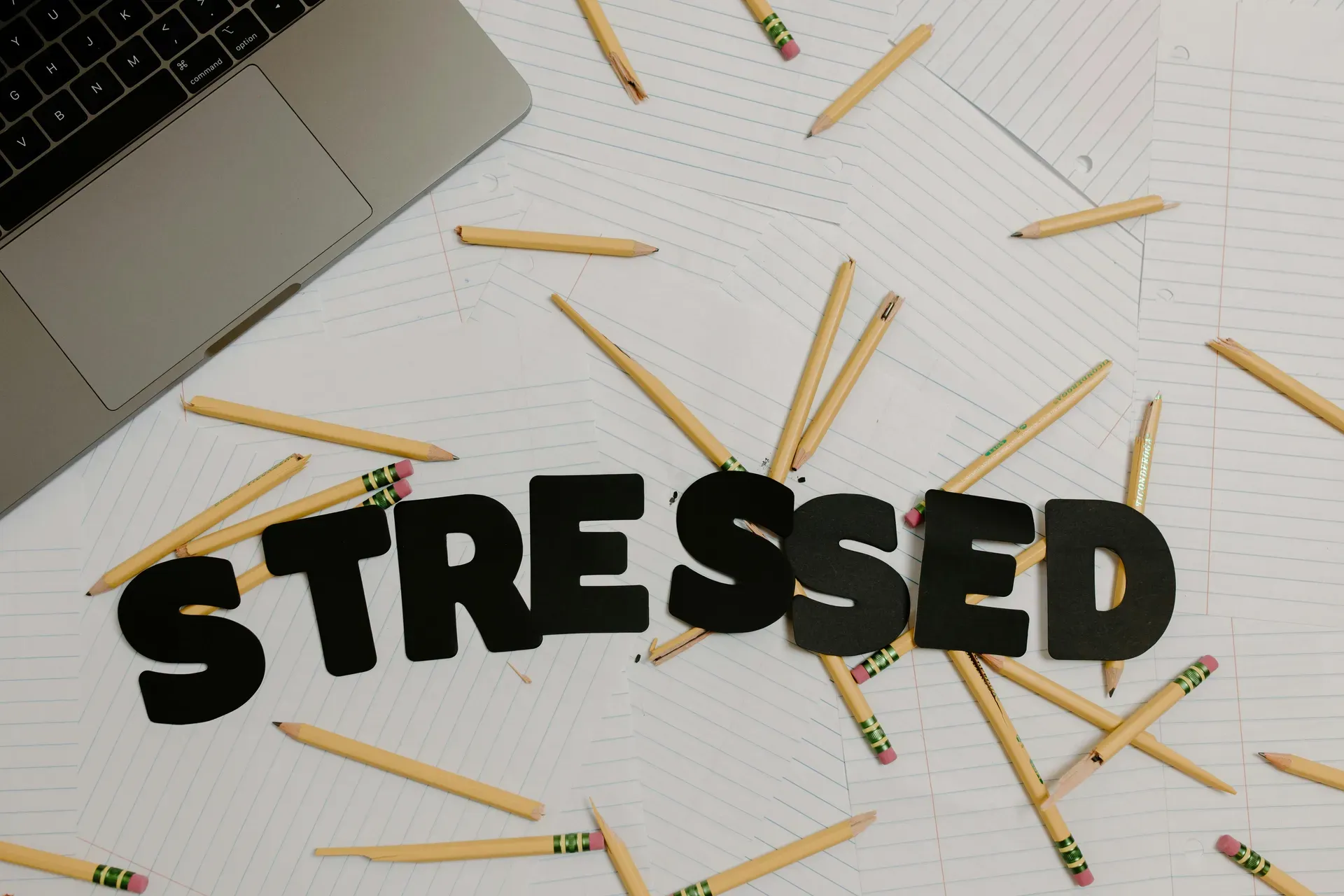
Always-On Culture and Poor Boundaries
An always-on culture keeps employees mentally engaged even when work hours end. Stress appears as difficulty switching off. Burnout develops when there is no permission to rest. Over time, constant availability erodes recovery and creates exhaustion that rest alone cannot fix.
Emotional Labor Without Recognition
Work that requires constant emotional regulation can be stressful. When effort goes unnoticed or unacknowledged, burnout risk increases. Employees may feel invisible or undervalued. The lack of recognition slowly drains motivation and connection, especially in service, care, or people-facing roles.
Limited Autonomy and Feedback
Stress can occur when people lack control in the short term. Burnout develops when that lack of control becomes permanent. Without autonomy or feedback, employees struggle to understand their impact. Over time, this leads to disengagement and reduced professional confidence.
Stress and Burnout in Remote Teams
Remote work can amplify both stress and burnout. Employees may work longer hours, feel pressure to prove availability, or struggle with isolation. Without clear check-ins and boundaries, stress can quietly turn into burnout. Visibility and connection matter more when teams are distributed.
Try For Free
Stress vs Burnout vs Depression
Stress, burnout, and depression are related but not the same. Understanding the difference helps people seek the right kind of support.
- Stress is situational and reactive. It is usually tied to specific pressures. Deadlines, workload, financial strain, or uncertainty can trigger it. It often improves when pressure reduces.
- Burnout is work-related exhaustion and detachment that builds over time. Unlike stress, burnout does not lift easily when conditions improve briefly. It changes how people feel about their role, their value, and their effort.
- Depression involves persistent low mood and loss of interest across many areas of life. While burnout can contribute to depression, depression is a clinical condition that requires professional care and should not be self-managed alone.
If low mood, hopelessness, or exhaustion persist across work and personal life, it is important to seek professional support. Therapy or medical care can provide clarity and treatment that self-help tools alone cannot replace.
Try For Free
How to Deal With Stress and Burnout
Managing stress and burnout requires different approaches depending on what someone is experiencing. Stress often responds to short-term relief and adjustments. Burnout usually needs deeper changes and sustained support.
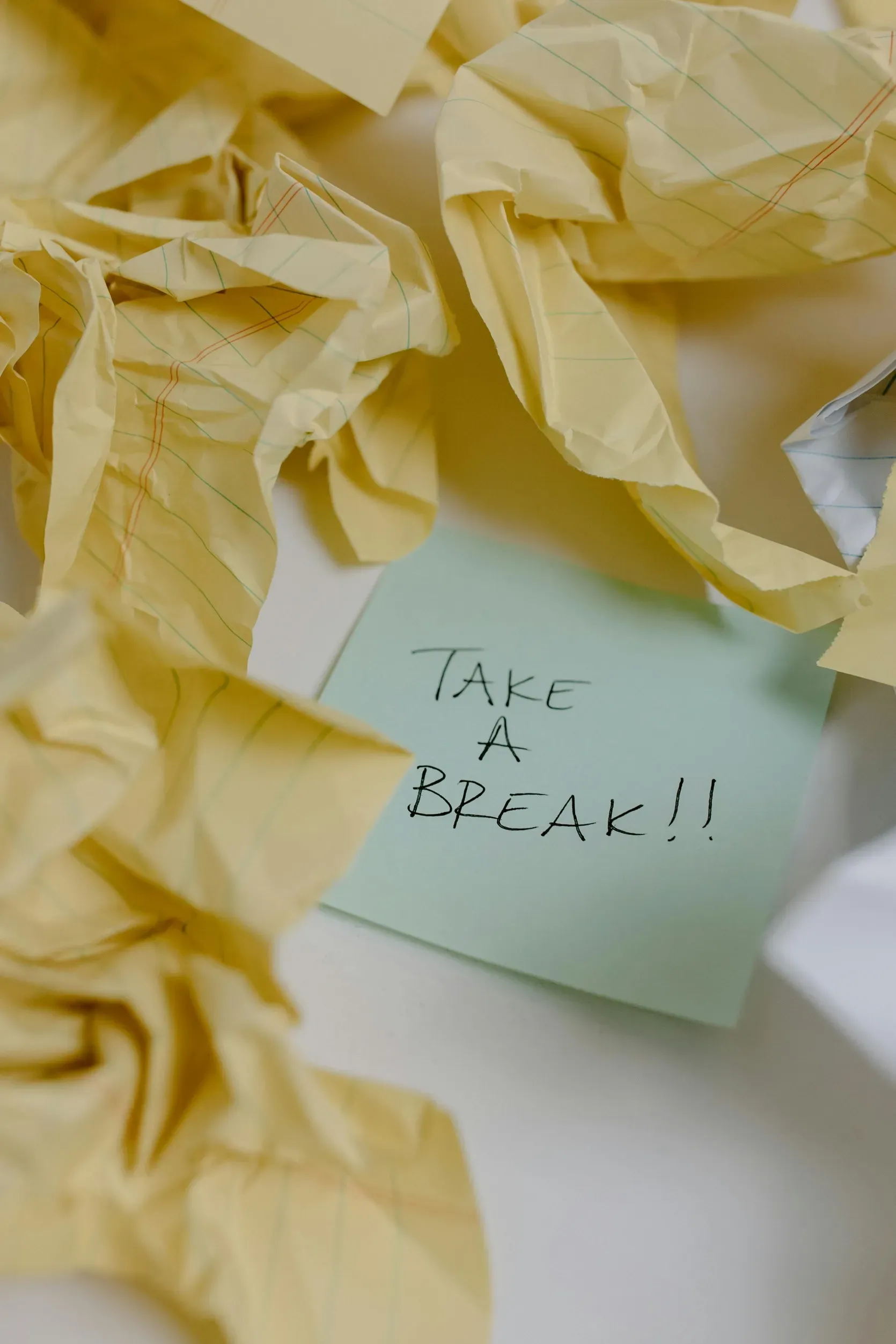
Practical Ways to Deal With Stress
Stress responds well to immediate regulation and boundary setting. Short breaks, clearer priorities, and realistic workloads help reduce pressure. Physical movement, sleep, and simple breathing practices can calm the nervous system. Talking openly with peers or managers can also reduce stress before it escalates.
Practical Ways to Deal With Burnout
Burnout requires addressing root causes. This may include workload changes, role adjustments, or time away with purpose. Emotional support becomes essential. Reflection, validation, and rebuilding a sense of agency help recovery. Burnout improves when people feel seen, supported, and able to influence their work conditions.
Therapy and Counseling
Professional support helps both stress and burnout, especially when symptoms feel overwhelming. Therapy offers tools, perspective, and emotional processing. For burnout, therapy often focuses on boundaries, values, and identity rather than just symptom relief.
Peer and Social Support
Feeling understood reduces isolation. Peer support helps normalize experiences and reduces shame. Talking with trusted colleagues or friends can prevent stress from turning inward and becoming burnout. In workplaces, burnout activities for employees can also provide the required support and help.
Mental Health AI Apps as Daily Support
Mental health AI apps offer low-pressure, everyday support. They help people check in, reflect, and regulate emotions without needing a formal appointment. These tools work best as preventive and supportive layers, not replacements for therapy.
Try For Free
How Yuna Helps With Stress and Burnout
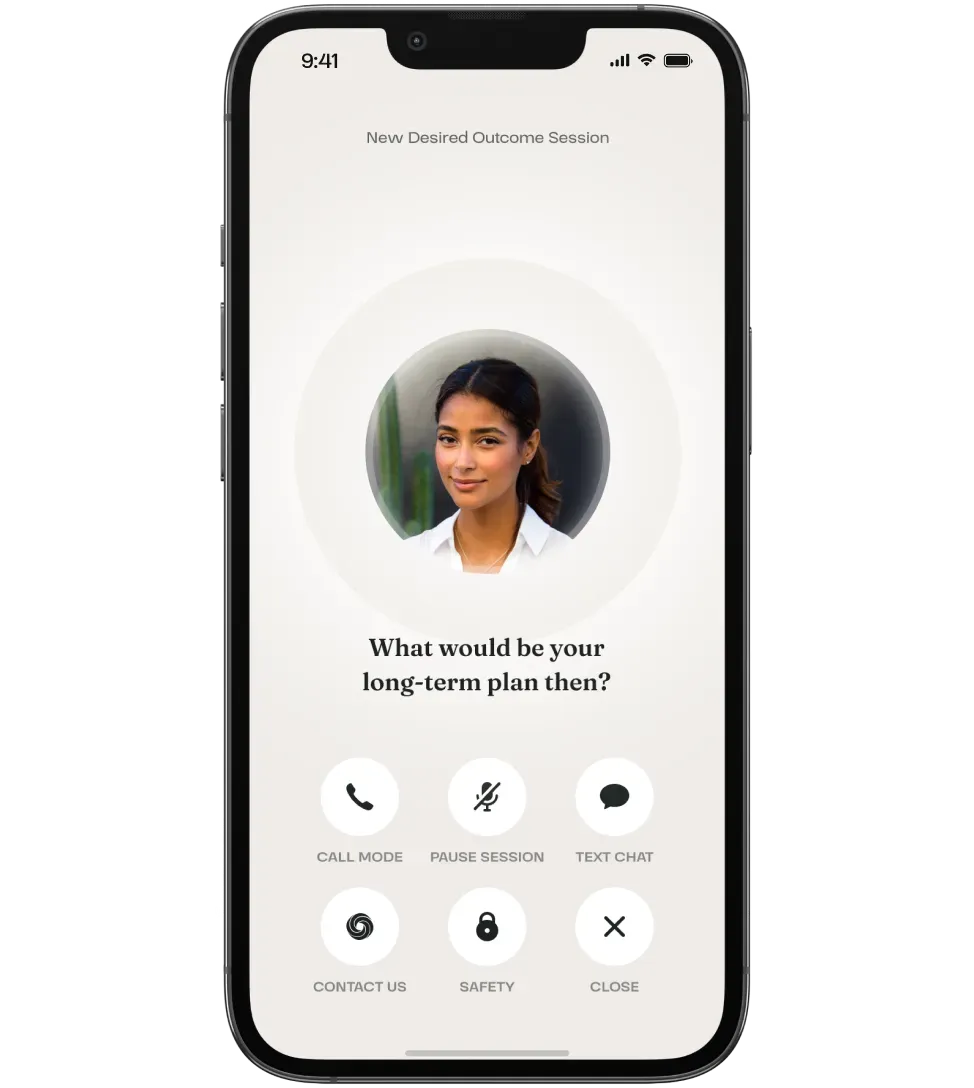
Yuna is designed as an AI mental health coach for everyday emotional support. It helps people notice stress patterns early and reflect before burnout sets in. Yuna supports emotional regulation, grounding, and self-awareness through simple conversations and guided practices.
It is especially helpful for people who feel not okay but not in crisis. Yuna fits between self-care and therapy. It does not diagnose or replace professional care. Instead, it offers consistent, private support for managing daily stress and preventing emotional exhaustion over time.
Try For Free

FAQs
What is the difference between burnout and stress?
Stress is a reaction to pressure and demands. It often feels intense but temporary. Burnout develops from prolonged, unmanaged stress and feels like emotional and mental exhaustion. With stress, people still care and try. With burnout, motivation and connection fade.
How to manage stress and burnout in teams?
Managing stress and burnout in teams starts with realistic workloads and clear expectations. Regular check-ins help surface issues early. Leaders should normalize rest, encourage time off, and respond empathetically. Team support works best when psychological safety is present and people feel heard.
How can teamwork help reduce stress and burnout?
Strong teamwork reduces isolation and emotional strain. Shared problem-solving lowers individual pressure. Feeling supported by colleagues increases resilience during high-demand periods. Teams that communicate openly and distribute workload fairly help prevent stress from turning into burnout.
Can stress turn into burnout?
Yes. When stress continues without relief, recognition, or control, it can slowly turn into burnout. Chronic stress drains emotional resources over time. Early stress management is key to preventing burnout from developing unnoticed.
Is burnout worse than stress?
Burnout is usually more severe. Stress can feel intense but often improves with rest. Burnout affects motivation, identity, and emotional connection. Recovery from burnout often takes longer and requires more than short-term relief.
Can burnout happen without stress?
Burnout typically develops after long periods of stress, even if the stress is not obvious. Some people normalize stress and only notice symptoms once burnout appears. Emotional exhaustion can build quietly over time.
How long does burnout recovery take?
Recovery varies by person and situation. Some feel improvement within weeks after changes. Others need months to rebuild energy and motivation. Recovery depends on addressing root causes, not just resting.
Can AI mental health tools help burnout?
AI mental health tools can help with awareness, reflection, and emotional regulation. They support daily check-ins and stress monitoring. These tools work best as preventive or complementary support, not as a replacement for therapy or workplace changes.
Try For Free