

There are days when you feel tired before the day even begins. You sit at your desk or lie awake at night and feel heavy inside. Nothing feels “wrong” enough to ask for help, yet everything feels harder than it should. You keep going because you think you should be able to handle it.
Around 69% of adults in the US live like this and require mental health support. They carry stress, burnout, self-doubt, or emotional overload quietly. They show up for work, family, and friends but inside, they feel drained or disconnected. They may not feel depressed or anxious in a clinical way. Still, they do not feel well.
Not everyone needs therapy right away. Many people simply need support, space to reflect, and guidance to feel steady again. They want to understand their emotions and manage daily pressure without judgment.
This is where a mental wellness coach fits in. A mental wellness coach supports everyday emotional health by helping people build awareness, habits, and coping tools for real life.
This blog explains what a mental wellness coach is, how they help, and when working with one makes sense.
What Is a Mental Wellness Coach?
A mental wellness coach supports emotional well-being, self-awareness, and daily habits. Their role is to help people feel more balanced and grounded in everyday life by focusing on how you are feeling now and how you want to move forward.
Mental wellness coaching does not involve diagnosis or treatment. A coach does not label mental health conditions or work with medical plans. Instead, they help you understand emotions, manage stress, and build healthier ways to respond to challenges.
Mental wellness coaching supports people during life changes, emotional strain, or periods of feeling stuck. It offers structure and reflection when things feel overwhelming but not severe.
Coaching is about skills, not cures. It is about reflection, consistency, and small steps that support emotional stability over time. Many people use mental health coaching to feel more present, calm, and connected to themselves.
What Does a Mental Wellness Coach Help With?
A mental wellness coach helps with real-life emotional challenges that often go unspoken. Their support focuses on daily experiences rather than clinical labels. Below are common areas where mental wellness coaching makes a difference.
Managing Everyday Stress and Burnout
Many people feel worn down by work pressure and constant demands. The mind stays busy even after the day ends. A mental wellness coach helps you notice stress before it builds too high by introducing grounding techniques and emotional regulation practices. Over time, these tools help reduce tension and mental fatigue. You learn how to pause and respond instead of pushing through exhaustion.
Emotional Awareness and Self-Understanding
Some people struggle to name what they feel. Others notice patterns but do not know why they repeat. A mental wellness coach helps you recognize emotions as they arise. You begin to understand reactions and triggers. This builds self-compassion and reduces self-criticism. When emotions make sense, they feel less overwhelming. Awareness creates space for calmer choices.
Life Transitions and Change
Change can feel unsettling even when it is positive. Career shifts, relationship changes, or personal uncertainty can create emotional strain. A mental wellness coach offers support during these moments. You can talk through fears and doubts without needing a diagnosis. Coaching helps you stay grounded while adjusting to new situations. It offers steady guidance during periods of change.
Building Healthier Emotional Habits
Mental wellness grows through daily habits. A coach supports practices like journaling, reflection, and short emotional check-ins. These habits help you stay connected to how you feel. Small practices add stability to busy days. Over time, they support emotional balance and resilience. Consistency matters more than intensity in mental wellness.

Mental Wellness Coach vs Therapist
A mental wellness coach and a therapist both support mental health, but their roles are different. They both serve different needs at different times.
Therapists are trained to diagnose and treat mental health conditions. They work with clinical symptoms such as depression, anxiety disorders, trauma, or severe emotional distress. Therapy often explores past experiences and deeper emotional patterns and may also work alongside medication plans.
A mental wellness coach focuses on everyday emotional well-being. Coaching supports growth, awareness, and coping in daily life. It helps with stress, burnout, emotional habits, and life transitions. Coaching stays focused on the present and the future. It does not involve diagnosis or treatment.
A mental wellness coach does not replace therapy. Coaching can complement therapy for many people. Some use coaching before therapy. Others use it alongside therapy to support daily habits and reflection.
“Do I really need therapy or just someone to talk to?”
This is a common question that many people ask quietly. If emotions feel heavy but manageable, coaching may help. If symptoms feel intense, constant, or unsafe, therapy is often the right step. Wanting support does not mean something is wrong with you. It only means you are paying attention to your well-being.
Is a Mental Wellness Coach Right for You?
Choosing support can feel confusing. There is no single right answer for everyone. A mental wellness coach may be a good fit if you feel stressed, overwhelmed, or emotionally drained. Coaching can help when challenges are situational or tied to daily life.
Mental wellness coaching often works well for people who want structure and guidance. It supports those who prefer practical tools and reflection. It fits people who want to build healthier emotional habits over time.
Therapy or medical care may be more appropriate when symptoms feel severe. This includes persistent depression, panic attacks, trauma, or thoughts of self-harm. These situations need professional clinical care.
Coaching and therapy are needed to address different issues at different times, and a person could benefit from both. What matters is finding support that feels safe and helpful right now.
What Mental Wellness Coaching Is Not
Mental wellness coaching has clear boundaries. These boundaries protect both safety and trust.
- Mental wellness coaches cannot diagnose mental illness. Coaches do not label mental health conditions and they do not assess clinical symptoms.
- It is not medication. Coaches do not prescribe or manage medication plans.
- It is not crisis care. Coaching is not designed for emergencies or severe mental health distress. Crisis situations require immediate professional help.
- It is not an instant fix. Mental wellness takes time and coaching supports steady progress through small, consistent steps.
These limits matter. They help keep mental wellness coaching supportive, ethical, and realistic.
How Mental Wellness Coaching Works in Daily Life
Mental wellness coaching fits into everyday routines. It focuses on consistency rather than intensity.
A typical coaching approach may include:
- Regular conversations or check-ins that create space to reflect
- Thoughtful questions that build emotional awareness
- Simple emotional exercises that support regulation
- Gentle structure that supports follow-through
- Small practices between sessions or interactions
The goal is not to fix everything at once. The goal is to feel steadier and more aware over time.
Mental Wellness Coaching in a Digital World
Mental wellness coaching has changed with the way people live and work. Many no longer have time or space for regular in-person support. Long work hours, remote roles, and constant screen use make emotional care harder to prioritize.
Digital tools now support mental wellness in new ways. Mental health apps and AI platforms offer reflection prompts, emotional check-ins, and grounding practices. These tools help people pause and reconnect with themselves during busy days.
AI-based mental wellness coaching has also emerged. These tools are designed to help foster the daily use of healthy coping skills. However, they are not authority figures and they do not diagnose or treat mental health conditions. They work best as gentle guides that help people reflect, calm their thoughts, and build awareness.
Digital mental wellness coaching fits people who want privacy and flexibility. It supports those who prefer quiet reflection over formal sessions. Used responsibly, it can be a steady form of emotional support in everyday life.

How Yuna Approaches Mental Wellness Coaching
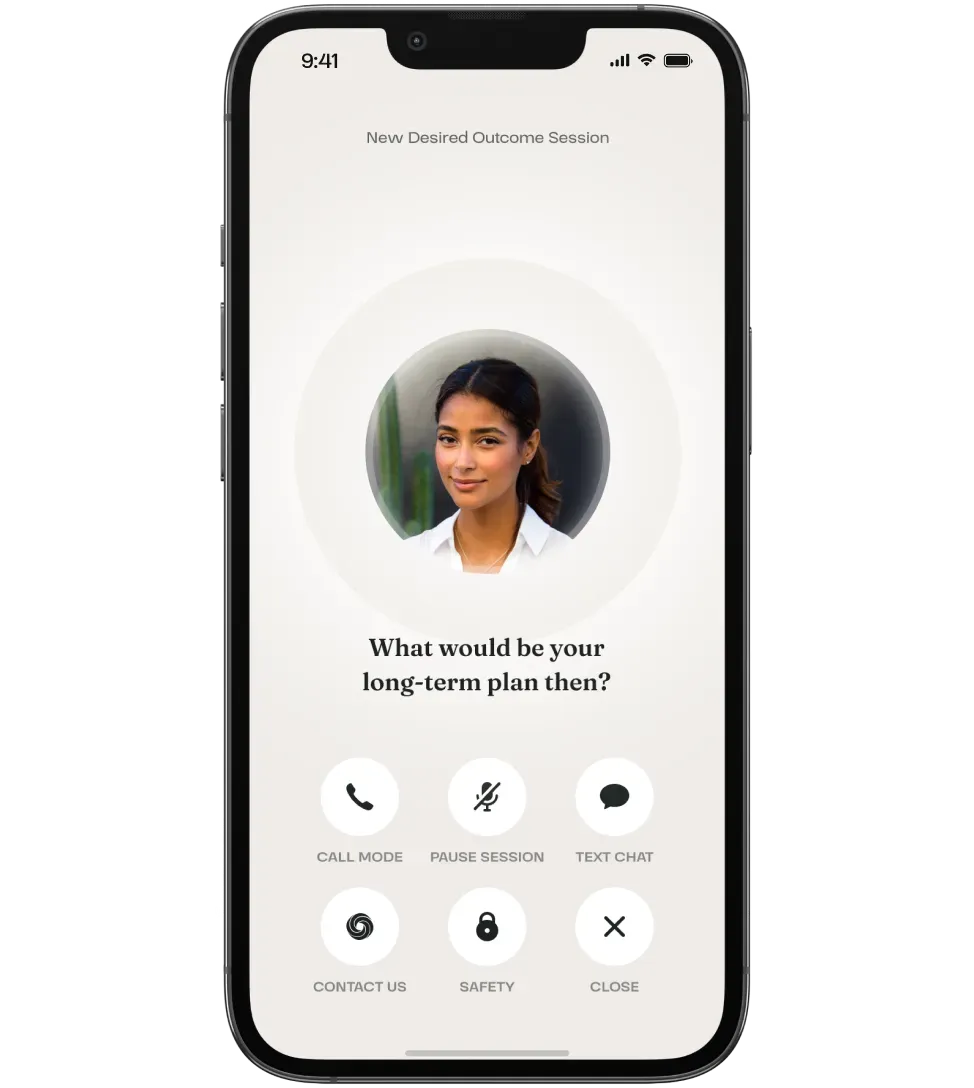
Yuna works as an AI mental wellness coach. It focuses on daily emotional support rather than clinical care. The goal is to help people feel steadier and more aware during everyday moments.
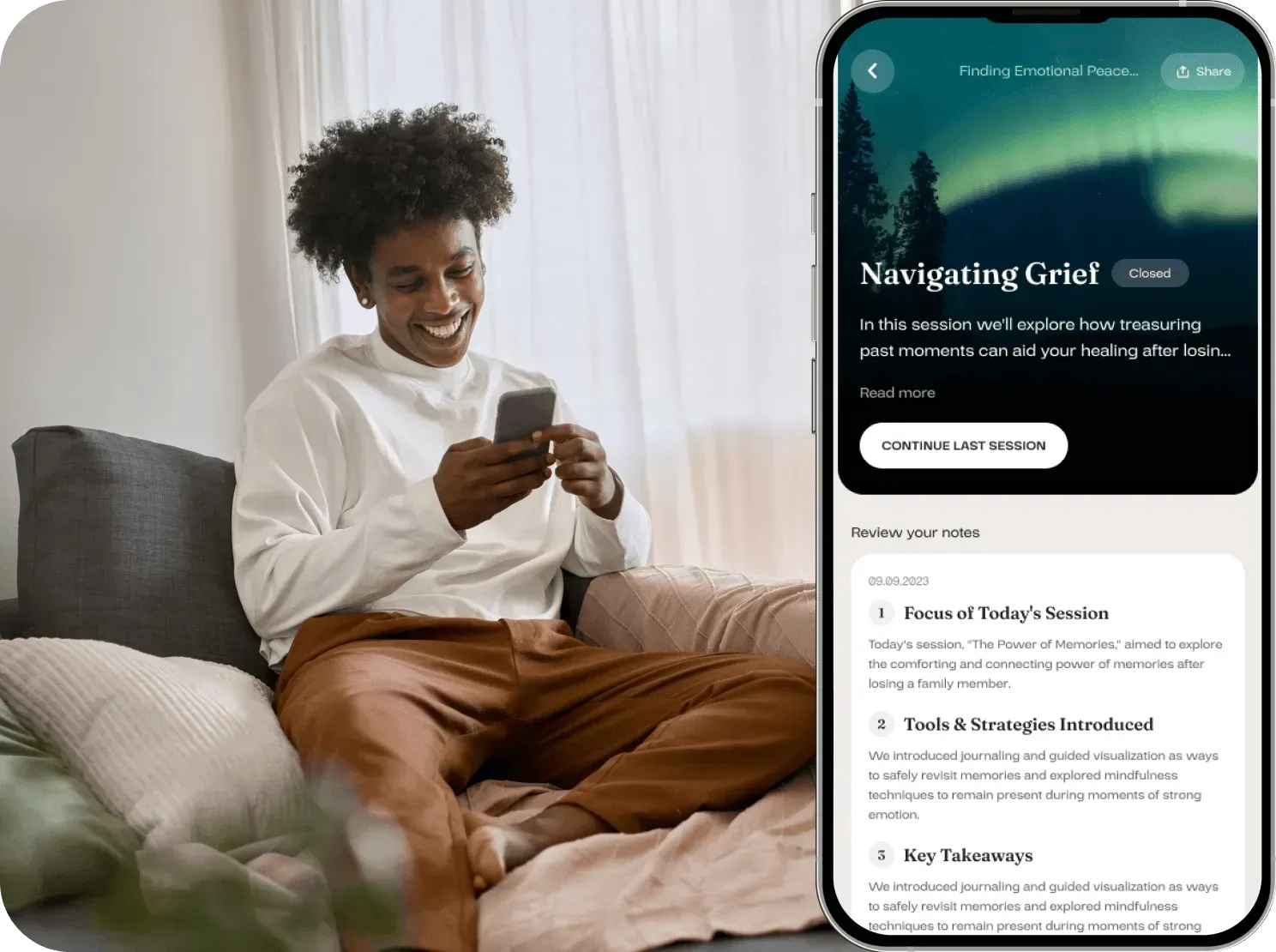
Yuna supports reflection through simple conversations. It encourages grounding practices when emotions feel heavy. It also supports journaling and emotional check-ins to build awareness over time.
Yuna offers a private and judgment-free space. People can express thoughts they may not feel ready to share elsewhere, while the experience stays calm and respectful.
Yuna is designed for people who feel not okay but not in crisis. It supports those who are not ready for therapy but still want emotional care. Yuna respects boundaries and encourages professional help when needed.
Common Questions People Ask About Mental Wellness Coaches
Is a mental wellness coach the same as a therapist?
No, a mental wellness coach is not the same as a therapist. A therapist diagnoses and treats mental health conditions. A mental wellness coach supports emotional habits, awareness, and daily coping. Coaching focuses on the present and future, while therapy often explores deeper clinical concerns.
Can a mental wellness coach help with anxiety?
A mental wellness coach can help with everyday anxiety and stress. Coaching supports grounding, reflection, and emotional regulation. Severe or persistent anxiety may require therapy or medical care.
Is mental wellness coaching evidence-based?
Mental wellness coaching often uses tools inspired by evidence-based approaches. These include reflection, emotional awareness, and skill-building practices. Coaching itself is not clinical treatment.
How long does mental wellness coaching take to work?
Progress varies. Some people feel small shifts within weeks. Others notice changes over time. Consistency matters more than speed.
Can I use a mental wellness coach alongside therapy?
Yes. Many people use coaching to support daily habits while in therapy. Coaching can help reinforce reflection and emotional awareness between sessions.
Is an AI mental wellness coach safe to use?
AI mental wellness coaches can be safe when they respect boundaries. They should protect privacy, avoid diagnosis, and guide users toward human help when needed. Yuna follows these principles.