


Work today looks very different from a few years ago. Burnout feels common. Quiet quitting feels normal. Many employees feel stretched, isolated, or emotionally drained but unsure how to ask for help. At the same time, many employers genuinely want to do better but feel uncertain about where to start or what actually helps.
Employee mental health is not only about crisis situations or formal diagnoses. It includes daily stress, emotional fatigue, focus challenges, and the feeling of being constantly “on.” Research shows that untreated stress and mental strain affect productivity, absenteeism, and retention. Yet many employees say they just need understanding, flexibility, and small supports rather than therapy through HR.
To truly support employee mental health, workplaces need practical policies, mental health activities to build everyday habits, and tools that meet people where they are. This guide focuses on real actions employers can take to build healthier, more human workplaces.
Try For Free
Practical Policies & Programs for Employee Mental Health Support
Supporting mental well-being at work starts with systems, not slogans. Employers do not need complex programs to make an impact. Clear policies, thoughtful benefits, and realistic expectations often matter more than large initiatives.
These approaches form practical workplace strategies to support employee mental health that scale across teams and company sizes.

Flexible Work Arrangements
Flexible schedules, hybrid options, and remote work help employees manage personal responsibilities alongside work. Flexibility reduces stress linked to commuting, caregiving, and rigid schedules. When employees have control over when and where they work, they often report better focus and lower emotional strain. Flexibility also signals trust, which supports long-term engagement.
Reasonable Workload & Clear Expectations
Unclear priorities and constant urgency are major stress drivers. Employers can reduce mental overload by setting realistic deadlines, defining what “urgent” truly means, and discouraging constant after-hours communication. Encouraging regular breaks and time off helps prevent exhaustion and makes sustained performance possible.
Regular 1:1 Check-Ins
One-on-one meetings should not focus only on output. Managers can include simple well-being questions such as “How is your workload feeling?” or “Is anything getting in the way of your focus lately?” These conversations work best when they are supportive, private, and free from performance pressure.
Well-Being Days
Dedicated mental health days allow employees to rest without explaining or justifying their need. These days should not replace sick leave and should not require disclosure. When used properly, well-being days reduce presenteeism and signal that rest is acceptable, not a weakness.
Access to Confidential Support
Employee Assistance Programs, counseling services, or mental health coaching options give employees private avenues for support. These resources are most helpful when employees understand what they are for and trust that their use remains confidential. One thing to note is that clear communication about boundaries is essential.
Personalized Employee Mental Health Support Tools
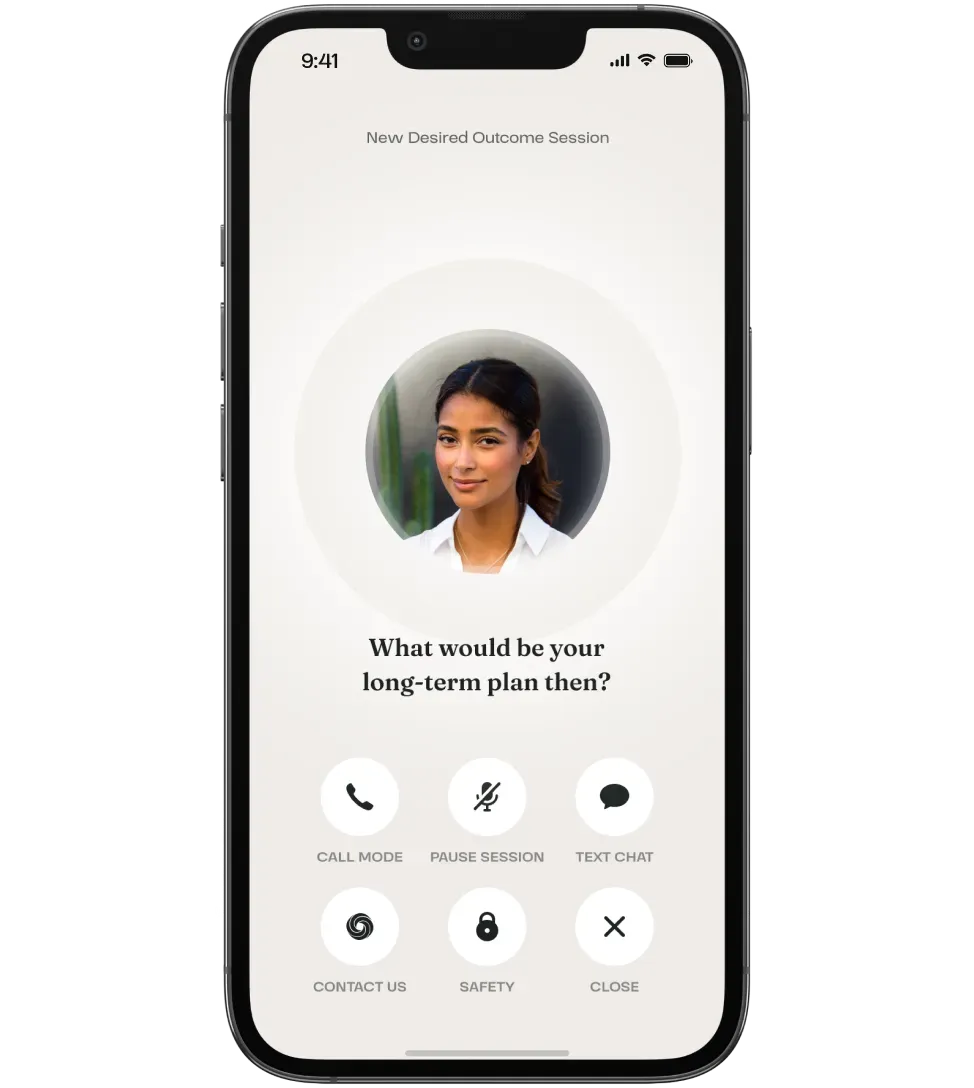
Digital tools now offer personalized emotional support without disclosure. AI-powered mental health support apps can provide reflection, grounding, and daily emotional check-ins. Yuna fits here as a private, self-guided mental wellness companion that employees can use independently, without reporting to HR or managers.

Physical Environment Supports
Quiet rooms, comfortable break areas, and access to natural light or outdoor spaces help reduce sensory overload. Even small changes to the physical environment can improve emotional regulation and focus throughout the day.
Try For Free
Everyday Practices That Help
Formal policies matter, but daily experiences shape how supported employees actually feel. Small, consistent practices can quietly improve well-being without requiring workplace mental health programs or approvals.
These everyday actions support meaningful mental health initiatives at work without adding complexity.
Mindful Breaks During the Day
Short pauses between meetings or tasks help employees reset mentally. Simple practices like stepping away from screens or taking a few slow breaths reduce cognitive overload. These breaks are effective because they are easy to repeat and do not require training.
Encourage Regular Movement
Movement supports both physical and mental health. Encouraging short walks, stretches, or standing breaks helps release tension and restore focus. Even gentle movement can interrupt stress cycles and improve energy levels.
Transparent Communication
Uncertainty creates anxiety. Clear communication about goals, changes, and expectations helps employees feel grounded. When leaders explain decisions openly, employees spend less mental energy guessing and more energy doing meaningful work.
Recognition and Appreciation
Acknowledging effort and progress reinforces a sense of value. Recognition does not need to be formal. A simple thank-you or acknowledgment of challenges faced can reduce emotional fatigue and improve morale in the workplace.

Peer Support and Buddy Systems
Connection matters, especially for new or remote employees. Buddy systems create informal support channels and reduce isolation. Many employees say they just need small things during the day that help them feel seen, particularly when working remotely.
Try For Free
Supporting Remote and Hybrid Workers
Remote and hybrid work can increase flexibility, but it can also amplify isolation and invisibility. Employers must intentionally design support for distributed teams.
These practices strengthen mental health support in workplace environments that are no longer physically shared.
- Structured check-ins and team rituals: Regular touchpoints help replace informal office interactions. These can include weekly team check-ins that prioritize connection, not status updates.
\ - Virtual social connection: Optional social spaces such as virtual coffee chats or interest groups help maintain human connection without forcing participation.
\ - Psychological safety online: Remote employees should feel safe speaking up in digital spaces. Leaders can model openness and respond respectfully to concerns raised online.
\ - Digital community building: Shared channels for non-work topics help recreate a sense of belonging and a shared inclusive culture.
\ - Setting expectations around availability: Clear boundaries around working hours prevent burnout and reduce pressure to be constantly responsive.
\ - AI Mental Health Coach Support: AI support for remote workers, such as an AI-powered mental health chatbot, can offer them a private space to have more privacy and no judgment.
\

Private, Always-Available Emotional Support with Yuna
Remote employees often hesitate to speak up because their struggles feel invisible or “not serious enough” for a meeting. Yuna gives remote and hybrid workers a private space for daily emotional check-ins, grounding, and reflection. Acting as a mental health companion, Yuna helps employees process stress independently while staying connected to support, even when managers cannot see warning signs.
Try For Free
Creating a Culture That Supports Employee Mental Health
Policies alone cannot compensate for a harmful culture. Culture determines whether employees feel safe using available support. A strong culture is the foundation of effective workplace mental health support.
Normalize Conversations About Mental Health
Leaders who speak openly about stress, boundaries, and rest make it easier for others to do the same. Normalizing these conversations reduces mental health stigma and prevents issues from escalating silently.
Train Managers to Listen and Respond
Managers shape daily experience more than any policy. Training managers to listen without judgment, respond with empathy, and avoid dismissive language builds trust. Employees are more likely to seek help when they feel understood by a good manager.
Reduce Stigma Through Policy and Practice
Mental health support should never be tied to performance evaluation. Clear policies that protect privacy and discourage stigma reinforce psychological safety. Regular check-ins focused on well-being, not output, demonstrate genuine care.
Measuring Impact and Adjusting Support
Measuring mental health efforts does not mean tracking emotions or diagnosing employees. The goal is to understand whether people feel supported, not to quantify their inner state. Effective measurement focuses on patterns, feedback, and lived experience rather than clinical data.
Anonymous Pulse Surveys
Tracking engagement levels, absenteeism, turnover trends, and voluntary feedback provides meaningful signals over time. Anonymous pulse surveys can surface concerns when employees trust that honesty will not lead to consequences. Open-ended questions often reveal more than scores, especially when employees describe workload pressure, communication gaps, or emotional fatigue in their own words.
Qualitative Indicators
Qualitative indicators matter just as much as numbers. Themes that emerge in one-on-ones, team conversations, or exit interviews can highlight where employee mental health support is working and where it is falling short. Employers should look for changes in morale, participation, and psychological safety rather than individual mental health outcomes.

Remain Human-Centered
Avoid medical metrics, diagnoses, or productivity scoring tied to well-being. Measuring employee mental health support should remain human-centered, adaptive, and focused on improving systems, not evaluating people.
Try For Free
Why Employee Mental Health Support Strategies Matter
Understanding how employers can support mental health is not just a wellness initiative. It is a leadership responsibility that shapes culture, trust, and long-term resilience.
When organizations invest in thoughtful support, employees feel safer, more engaged, and more willing to stay. When they do not, stress quietly accumulates and performance suffers over time.
Human impact
When employees feel unsupported, stress compounds instead of resolving. People may disengage, withdraw from collaboration, or push through exhaustion in silence. Many employees believe they cannot disclose mental strain without being judged or penalized, even when it affects their focus, confidence, and energy at work.
Business impact
Research consistently links chronic stress to higher absenteeism, presenteeism, and voluntary turnover. Employees who feel mentally supported are more likely to stay engaged, communicate openly, and sustain performance. Supporting mental well-being reduces burnout-related costs while improving morale and team stability.
Silent struggles at work
Mental strain rarely appears in dashboards or performance metrics. Employees often stop speaking up before they stop performing. Strong mental health support in workplace environments helps surface concerns early, reduces stigma, and creates psychological safety before issues escalate.
Try For Free
Workplace Mental Health Solutions with Yuna Health
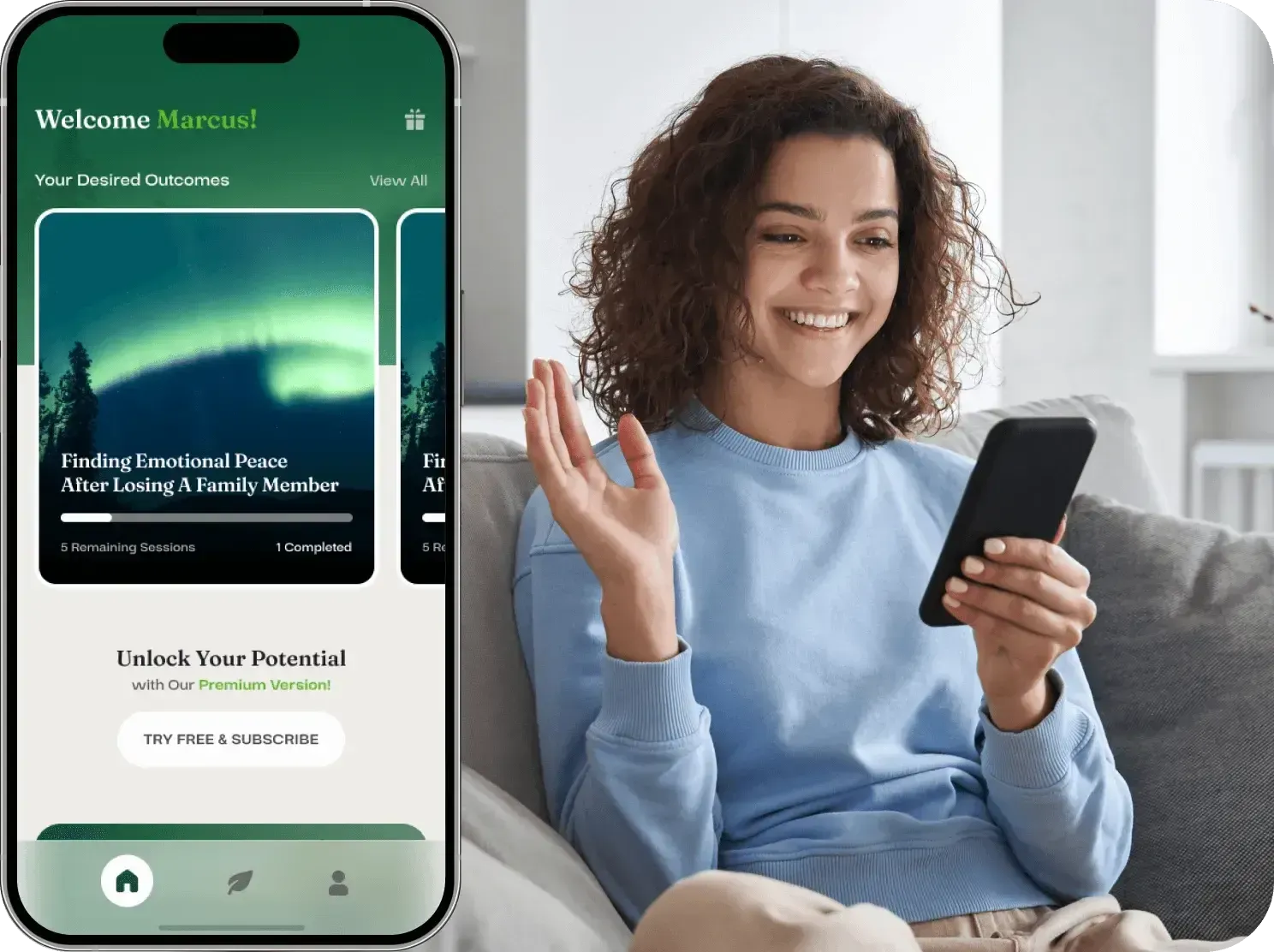
Supporting people at work is an ongoing process, not a single initiative. Culture, policies, and daily practices all matter. Mental health apps and tools can help bridge the gap between intention and experience.
Yuna Health offers a private, self-guided mental wellness space employees can access anytime. It supports reflection, grounding, and emotional regulation without diagnosis or disclosure. As a digital companion, Yuna complements workplace efforts and helps organizations sustainably support employee mental health without adding pressure or stigma.
Try For Free
FAQs
What are the best ways employers can support mental health at work?
The most effective approaches combine culture, policies, and everyday practices. Flexible work, reasonable workloads, supportive managers, and access to confidential tools help employees feel safe and supported. Consistency matters more than one-time initiatives.
How to support an employee with mental health issues?
Start with listening and empathy. Avoid assumptions or medical advice. Offer flexibility, clarify expectations, and share available resources. Respect privacy and allow the employee to choose how much they want to share.
How can small businesses support employee mental health?
Small businesses can focus on flexibility, open communication, and trust. Regular check-ins, realistic workloads, and access to affordable digital tools like Yuna can provide meaningful support without large budgets.
What is the role of managers in employee mental health support?
Managers shape daily experience. Their role includes noticing changes, listening without judgment, responding with empathy, and guiding employees to available support without pressure or stigma.
How does workplace culture affect employee mental well-being?
Culture determines whether employees feel safe asking for help. Supportive cultures reduce stigma, encourage openness, and make mental health resources usable rather than symbolic.
Can flexible work help mental health?
Yes. Flexibility reduces stress related to time, commuting, and personal responsibilities. It also gives employees more control, which supports emotional regulation and focus.
What are mental health initiatives at work that really make a difference?
Initiatives that respect privacy and choice work best. Examples include flexible schedules, well-being days, supportive check-ins, and digital mental wellness tools employees can use independently.
How often should employers check in about mental health?
Regular but low-pressure check-ins work best. Monthly or quarterly conversations focused on workload and well-being are often more effective than reactive discussions during crises.
Should mental health conversations be part of performance reviews?
No. Mixing mental health with performance evaluation can reduce trust. Well-being conversations should remain separate and supportive, without consequences tied to outcomes.
How can remote teams receive mental health support from leadership?
Remote teams benefit from structured check-ins, clear communication, psychological safety online, and access to private digital support tools. Visibility and consistency are key.
Try For Free