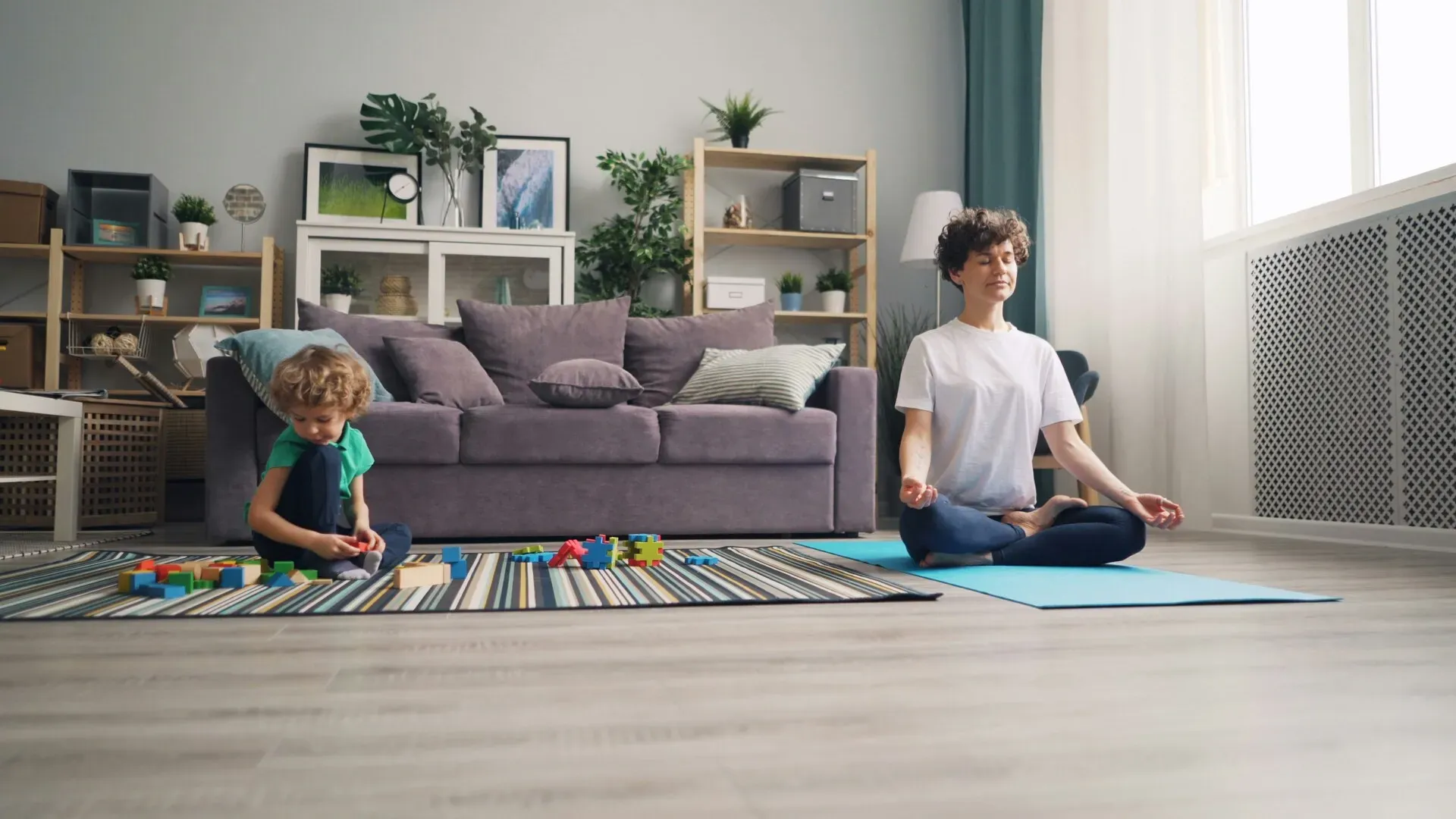


Meditation often feels more complicated than it needs to be. Many people try it once, feel restless or distracted, and assume they are doing it wrong. The truth is simple. Meditation is not one fixed method, and there is no single right way to do it. What works for one person may feel uncomfortable or frustrating for another.
People usually struggle because they choose a technique that does not match how their mind or body works. Some need structure. Some need movement. Some need quiet guidance. Others need flexibility. Meditation can be personal, gentle, and practical when approached with the right expectations.
This guide explains various meditation techniques in clear language. It breaks down different types of meditation, common meditation practices, and simple ways to start without pressure. If you feel overwhelmed, restless, or unsure where to begin, that is normal. Meditation does not require silence, perfection, or long sessions. It requires curiosity, patience, and a method that fits you.
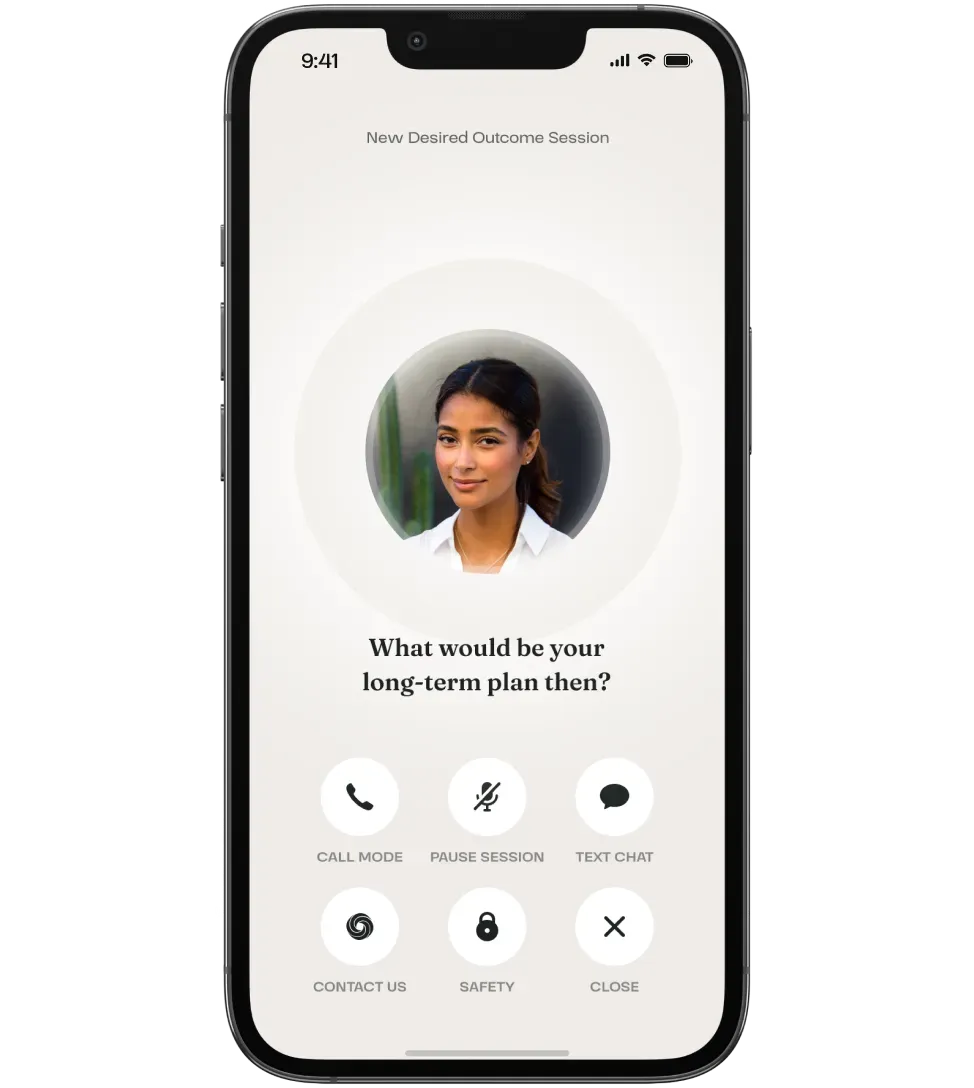
For beginners who want guidance, tools like Yuna meditation can help provide calm, structured support without spiritual language or rigid rules. The goal is not to empty your mind. The goal is to build awareness and steadiness in daily life.
Try For Free
What Are Meditation Techniques?
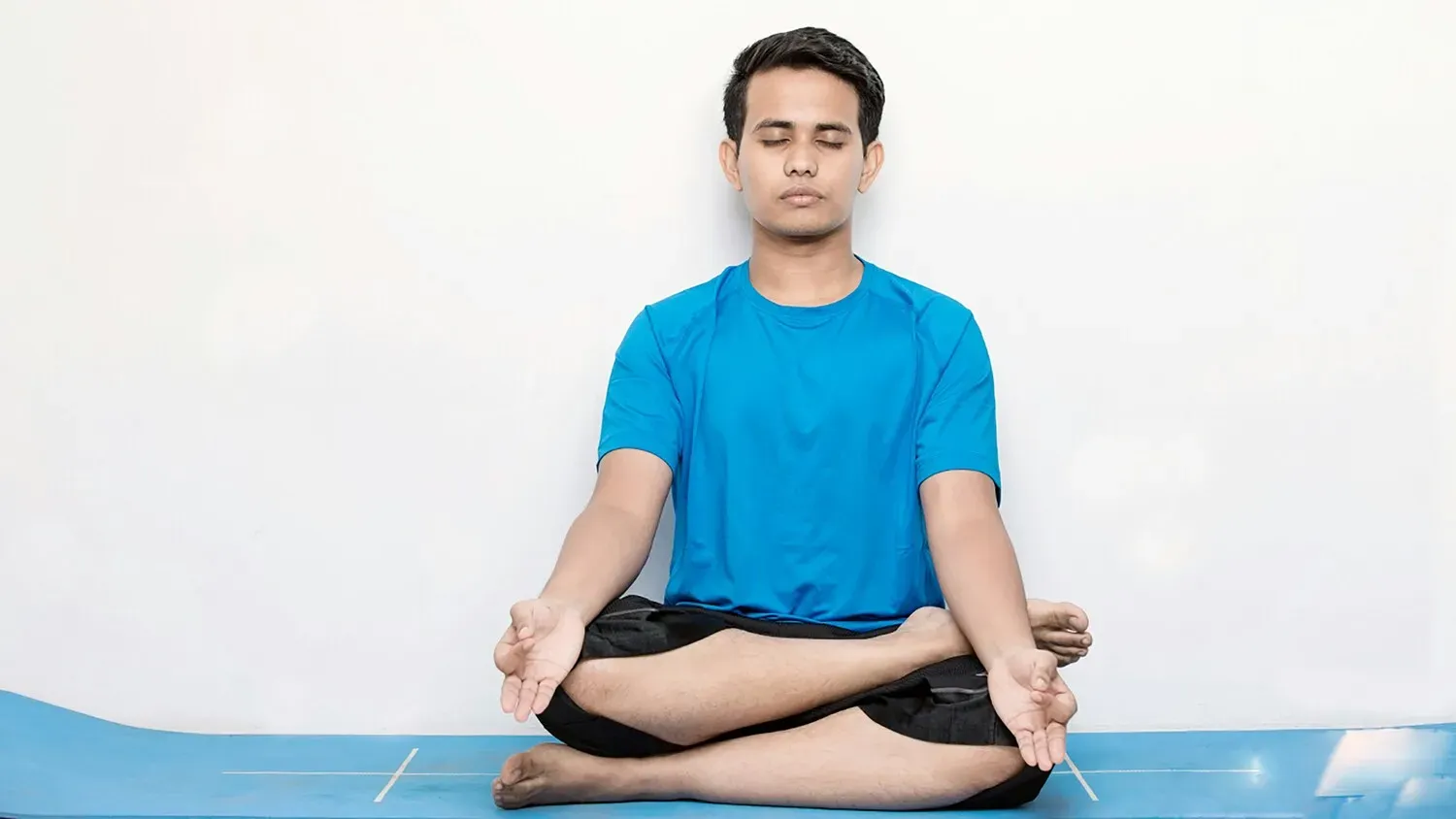
Meditation techniques are structured ways to train attention and awareness. They help you notice what is happening in your body, thoughts, and emotions without judgment. Some techniques focus on calming the nervous system. Others focus on insight, compassion, or emotional balance.
Most modern meditation techniques blend multiple approaches. A single session may include breathing, awareness of sensations, and reflection. These combinations allow meditation practices to feel more natural and less forced.
Meditation is not about stopping thoughts. Thoughts will appear. The practice is about noticing them and gently returning attention to the present moment. Over time, this builds clarity, patience, and emotional steadiness.
Try For Free
How Meditation Techniques Are Commonly Classified
Meditation techniques are often grouped into categories to make them easier to understand. These categories are not strict rules. They are guides to help you choose what feels right.
Guided vs Unguided Meditation
Guided meditation includes spoken instructions that lead you through the practice. This can be helpful for beginners or people who feel distracted easily. Guided sessions provide structure and reassurance. Tools like Yuna offer guided meditation support that feels calm and practical without pressure.
Unguided meditation is done in silence or with minimal cues. This approach works well for people who already feel comfortable sitting with their thoughts and sensations.
Calming vs Insight Meditation
Calming meditation focuses on slowing the nervous system and reducing mental noise. Breath awareness and body relaxation are common examples. Yuna fits well here by offering grounding and calming meditation support for daily use.
Insight meditation focuses on observing thoughts, emotions, and patterns with clarity. It helps build understanding rather than relaxation alone.
Still vs Movement-Based Meditation
Still meditation is practiced while sitting or lying down. Movement-based meditation includes walking or gentle physical awareness. This option is helpful for people who struggle to sit still.
Focus-Based vs Open Awareness
Focus-based meditation uses a single anchor like breath or sound. Open awareness meditation allows attention to move naturally between sensations and thoughts. Both are valid and effective.
Try For Free
10 Best Meditation Techniques and How They Work
There are many types of meditation techniques, and each works differently for different minds and bodies. No technique is superior. The right method is the one you can practice consistently and comfortably. Below are common approaches explained in simple terms.
Mindfulness Meditation Technique
Mindfulness meditation technique focuses on present moment awareness. Attention may rest on the breath, body sensations, or sounds. When the mind wanders, you gently bring it back without judgment.
This is one of the most widely used meditation practices for stress and anxiety. It helps build awareness and emotional balance. Yuna supports mindfulness meditation by guiding users through calm, grounded awareness exercises that feel approachable for beginners.
Breathing Meditation
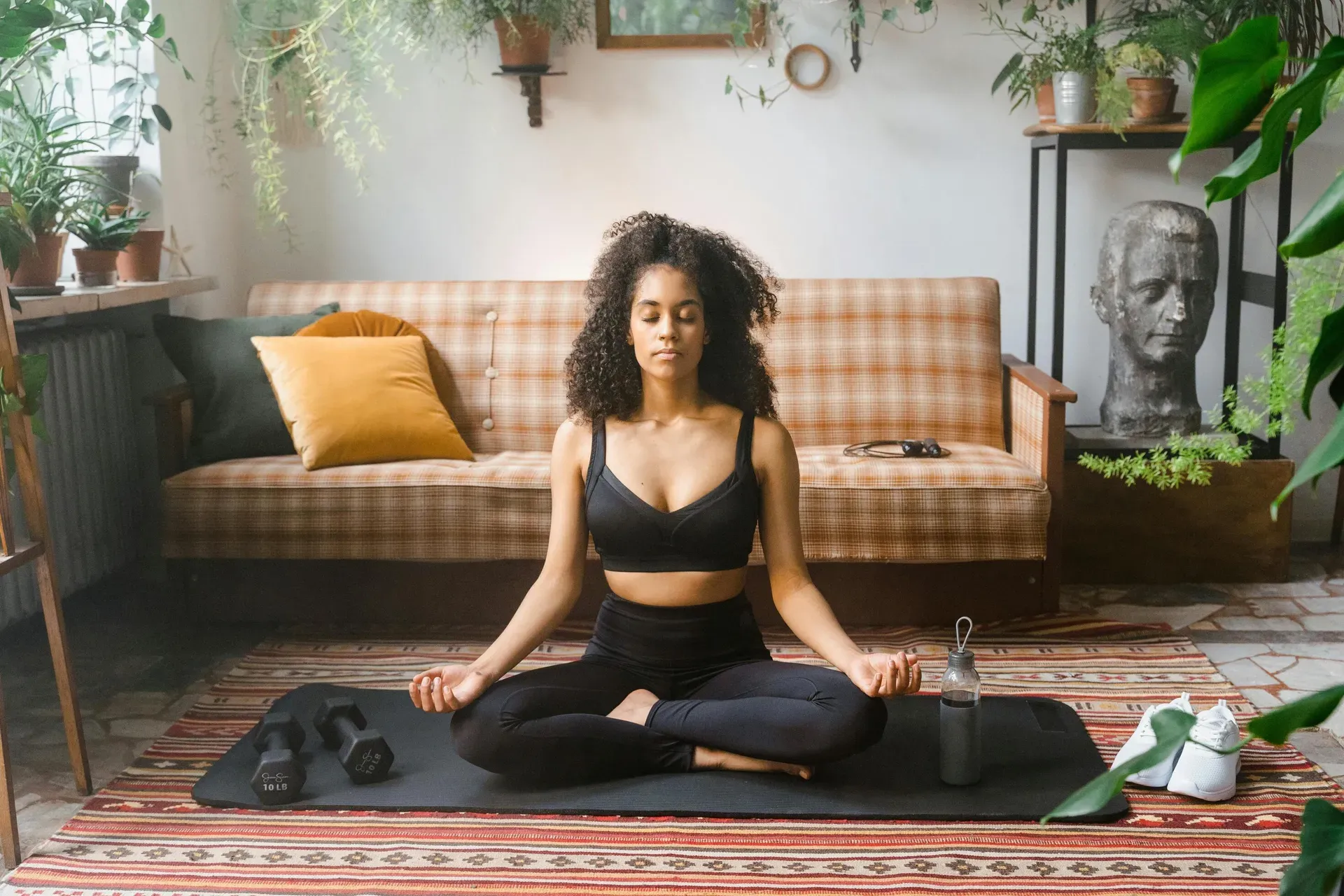
Breathing meditation uses the breath as an anchor. You observe each inhale and exhale without trying to control it. Slow breathing can help calm the nervous system during anxious moments.
Simple techniques like slow counting or the 4 7 8 method work well during stress spikes. This practice is easy to return to throughout the day.
Body Scan Meditation
Body scan meditation moves attention through different parts of the body. You notice sensations, tension, or relaxation without trying to change anything. This technique helps reconnect the mind and body.
It is often used for sleep support and physical stress relief. Many body scan practices are guided to help maintain focus.
Loving Kindness Meditation
Loving kindness meditation focuses on compassion. You direct kind thoughts toward yourself and others. This practice supports emotional softening and reduces self criticism.
It is not about forcing positivity. It is about building warmth and patience toward difficult emotions.
Focused Attention Meditation
Focused attention meditation involves concentrating on a single object such as a candle, sound, or breath. When the mind drifts, attention returns to the chosen focus.
This technique improves concentration and is helpful for racing thoughts and mental fatigue.
Visualization Meditation
Visualization meditation uses mental imagery to support relaxation and emotional balance. You imagine a calming scene such as a beach, forest, or quiet room. Attention rests on sensory details like sounds, colors, and textures.
This technique helps activate the relaxation response and can reduce emotional overload. Visualization is not escapism. It is a way to guide the mind toward calm when stress feels overwhelming. It works well for people who think visually or struggle with breath-focused practices.
Mantra Meditation
Mantra meditation involves repeating a word, sound, or short phrase silently or aloud. The repetition creates rhythm and focus. This helps reduce mental noise and improve attention.
Mantras come from many cultural traditions. In modern use, they can be simple and non-spiritual. A neutral phrase like “calm and steady” can work well. The goal is focus, not belief.
Walking Meditation
Walking meditation is a movement-based practice. Attention stays on the sensation of walking, the feeling of feet touching the ground, and the rhythm of movement.
This technique is helpful for people who find sitting meditation difficult. It allows awareness to develop through motion. Walking meditation fits well into daily routines such as breaks or short walks outside.
Progressive Muscle Relaxation
Progressive muscle relaxation focuses on tightening and releasing muscle groups one at a time. This body-first approach helps release physical tension and signals safety to the nervous system.
It is especially useful for sleep issues and physical stress. Many people find this technique easier than mental focus-based meditation.
Zen and Vipassana Meditation
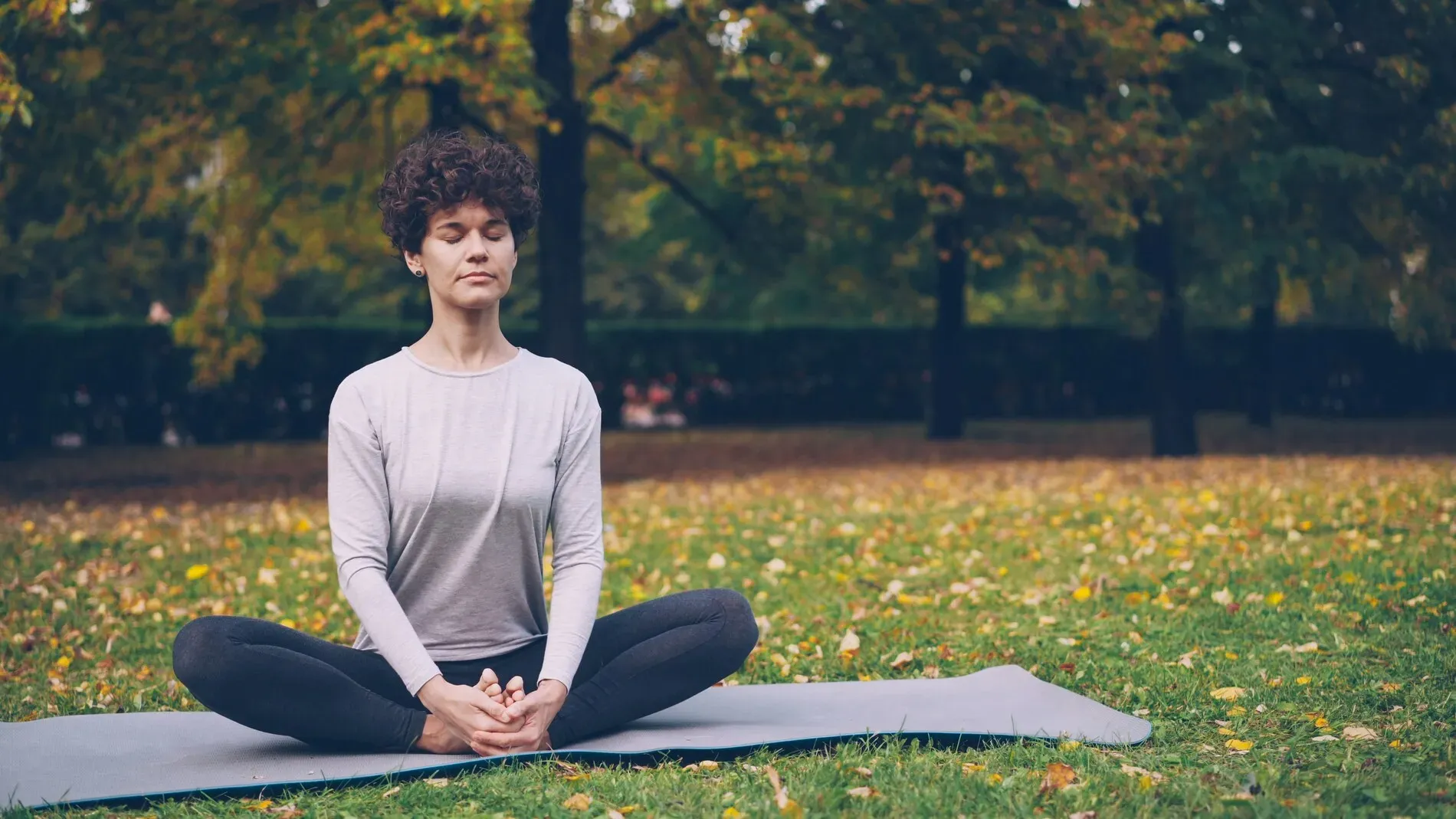
Zen and Vipassana meditation come from traditional Buddhist practices. They emphasize awareness, observation, and insight. These methods are usually learned with guidance and long-term practice.
They are included here for awareness rather than instruction. Beginners often benefit from starting with simpler meditation practices first.
Try For Free
Common Meditation Techniques for Specific Needs
People rarely search for meditation out of curiosity alone. Most people arrive here because something feels off. Stress feels constant. Anger feels harder to control. Focus feels scattered. Motivation feels low. Understanding which meditation techniques match specific emotional needs helps remove guesswork and frustration.
There is no universal solution. Different emotional states require different approaches. The goal is not to force calm or positivity. The goal is to support regulation, awareness, and steadiness in ways that feel achievable.
Meditation Techniques for Stress and Anxiety
Stress and anxiety often show up as racing thoughts, shallow breathing, and physical tension. In these moments, practices that work directly with the nervous system tend to help the most.
Mindfulness meditation builds awareness of the present moment without judgment. Breathing meditation slows the breath and sends signals of safety to the body. Body scan meditation helps release tension by gently moving attention through physical sensations.
These approaches are effective because they reduce mental looping and bring attention back to what is happening now. Yuna supports stress-focused mindfulness by offering guided meditation practices that are short, calming, and easy to return to throughout the day, especially during work or emotionally busy moments.
Meditation Techniques for Anger
Anger is often misunderstood. It is usually a sign of unmet needs, frustration, or emotional overload rather than something to eliminate. Meditation for anger is not about suppression. It is about creating space between reaction and response.
Loving kindness meditation helps soften harsh self-talk and rigid emotional patterns by cultivating compassion, starting with yourself. Breath awareness helps slow the physiological surge that often fuels anger. Short practices work best here because anger tends to peak quickly.
The aim is to notice anger without being consumed by it. Over time, this builds emotional regulation rather than avoidance.
Meditation Techniques for Depression
Low mood and depression often bring fatigue, numbness, and self-criticism. Meditation here needs to be gentle. Practices that demand intense focus or forced positivity can feel overwhelming.
Mindfulness-based approaches help by creating awareness of thoughts without identifying with them. Reflection-based meditation practices allow space to notice emotions without pressure to fix them. Yuna supports this by offering quiet reflection prompts and supportive meditation experiences that do not judge or rush the process.
Meditation can support emotional awareness and stability. It is not a replacement for professional care. It works best as part of a broader support system.
Meditation Techniques for Focus and Productivity
Difficulty focusing is often linked to mental overload rather than lack of discipline. Focused attention meditation helps train the mind to stay with one object such as the breath, a sound, or a visual point.
Short daily practice builds consistency and reduces distraction over time. This approach is practical for work, study, and creative tasks. Yuna works well here by supporting daily check-ins and short meditation sessions that fit naturally into routines without rigid expectations.
Try For Free
Simple Meditation Techniques for Beginners
If you are new to meditation, learning how to meditate helps to let go of rigid ideas. You do not need a special posture, a quiet room, or long sessions. Short practices count. What matters most is consistency over duration. Even a few minutes practiced regularly builds familiarity and confidence.
This is where beginners often struggle. They try to do too much and give up. Tools like Yuna work well here because they remove guesswork and guide short, repeatable sessions without pressure.
Here are simple ways to meditate that fit into everyday life.
- 5-minute breathing: Sit comfortably and bring attention to your breath. Notice the inhale and exhale without changing it. This helps calm the nervous system and is one of the easiest ways to start meditating.
\ - Walking meditation: Walk slowly and pay attention to each step. Notice how your feet touch the ground and how your body moves. This is helpful for people who find sitting still uncomfortable.
\ - Shower meditation: While showering, focus on the sensation of water, temperature, and sound. This turns a daily routine into a grounding meditation without adding extra time.
\ - One-task mindfulness: Choose one simple task such as making tea or washing dishes. Give it full attention. This builds awareness and focus without formal sitting practice.
Guided vs Unguided Meditation
Both guided and unguided meditation are valid. The right choice depends on experience, mental state, and personal preference. Many people use both at different times.
Guided meditation helps when:
- You are a beginner and need structure
- Your mind feels busy or restless
- You want reassurance and clear instructions
- You prefer apps or audio guidance
Unguided meditation fits better when:
- You are comfortable with silence
- You want more autonomy
- You already know a technique
- You prefer self-led practice
Apps and audio tools support guided meditation by offering consistency and ease. Unguided meditation works well for those who enjoy independence. Neither is better. The best approach is the one you return to.
Try For Free
How to Choose the Right Meditation Technique
Choosing between different types of meditation does not need to feel overwhelming. The right technique is about personal fit, not discipline or skill.

- Personality: If you prefer structure, guided meditation may help. If you value independence, unguided practices may feel better.
\ - Energy level: Low energy benefits from calming or body-based practices. Higher energy may suit movement or focused attention meditation.
\ - Emotional state: Stress often responds well to breathing or mindfulness. Anger may benefit from compassion-based practices. Low mood may need gentle reflection.
\ - Physical comfort: If sitting causes discomfort, try walking meditation or lying down practices.
\ - Time availability: Short sessions are effective. Five minutes practiced daily matters more than long sessions done occasionally.
Switching techniques is normal. There is no failure in meditation. Adjusting your approach means you are paying attention to your needs.
Try For Free
Modern Meditation Technique with Yuna
Yuna supports meditation as a daily emotional habit rather than a performance. It focuses on short, consistent practice that fits real life. There are no rigid rules, no pressure to sit for long periods, and no expectation to clear your mind.
By guiding brief sessions and encouraging regular check-ins, Yuna helps beginners build confidence and routine. The emphasis stays on quality over duration. Meditation becomes supportive, flexible, and sustainable rather than another task to perfect.
Try For Free
Frequently Asked Questions
What are meditation techniques?
Meditation techniques are structured methods for training attention and awareness. They guide how you notice thoughts, emotions, and sensations, and how you gently return to the present moment. Over time, these techniques support emotional balance, focus, and mental clarity.
How many types of meditation are there?
There are many types of meditation, often overlapping in approach. Common categories include mindfulness, breath-focused, movement-based, mantra, compassion, and reflection practices. Most modern approaches blend elements rather than fitting into one category.
What is the easiest meditation technique for beginners?
Breathing meditation, mindfulness meditation, and guided meditation are often easiest for beginners. They provide structure and reduce pressure to quiet the mind or do things perfectly.
Can meditation really reduce stress and anxiety?
Yes, meditation can reduce stress and anxiety by calming the nervous system and reducing rumination. Results depend on consistency, technique choice, and realistic expectations.
How long should I meditate each day?
Five to ten minutes is enough to start. Longer sessions are optional. Regular short practice is more effective than occasional long sessions.
What should I think about during meditation?
Nothing specific. The goal is awareness, not control. Thoughts will appear naturally. Noticing them and returning attention is the practice.
Can I meditate if my mind keeps wandering?
Yes. A wandering mind is normal. Each time you notice and return attention, you are practicing meditation correctly.
Try For Free