

Meditation can feel confusing at first. Many people assume there is one correct way to meditate, or one method that works for everyone. In reality, meditation looks different for different people. Some prefer stillness. Others need movement or guidance. What matters most is finding a form that fits your mind and daily life.
There are various forms of meditation, and no single approach is better than the rest. This guide explains 7 types of meditation in simple terms. Each section focuses on how the practice works and who it may suit, so you can explore without pressure or perfection.
Try For Free
What Are the Different Types of Meditation?
Meditation is a practice of training attention and awareness. Over time, it helps people notice thoughts, emotions, and physical sensations without reacting automatically. This skill supports calm, focus, and emotional balance in daily life.
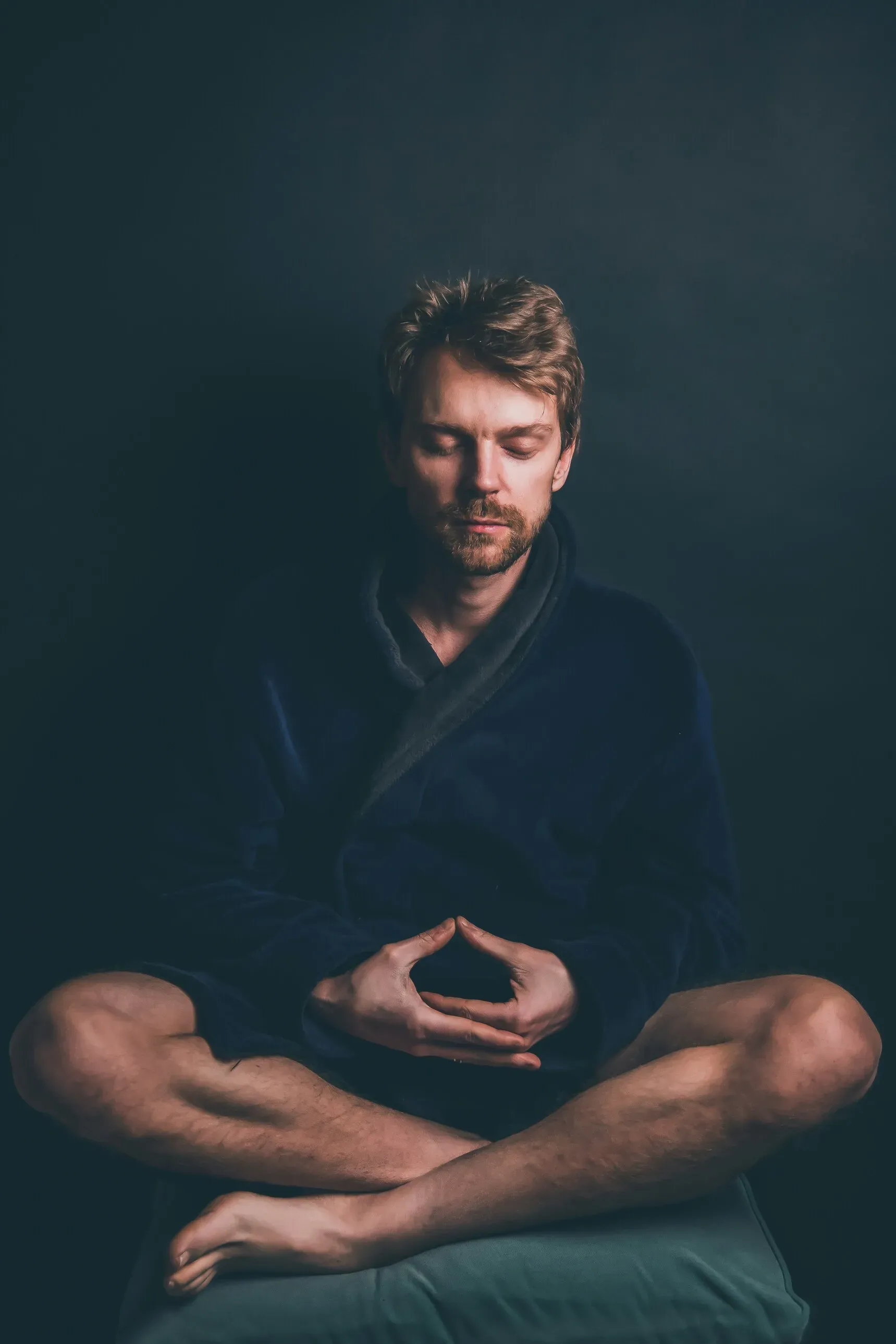
People searching for different types of meditation or asking how to meditate properly are often really asking why meditation feels so different from person to person. The reason is that meditation practices use different anchors. Some focus on breath. Others use movement, sound, imagery, or body awareness. These approaches are often grouped into broad meditation types, each suited to different needs, personalities, and energy levels.
Try For Free
Mindfulness Meditation
Mindfulness meditation focuses on present moment awareness. Attention is placed on the breath, body sensations, or everyday experiences as they arise. Thoughts are noticed without judgment and gently released.
This practice is widely researched and often recommended for beginners because it does not require special tools or beliefs. It helps build awareness and emotional regulation over time. Among common types of meditation, mindfulness is one of the most accessible. Yuna Meditation supports mindfulness meditation by offering short, guided sessions that help users stay anchored without overthinking the process.
Loving-Kindness Meditation
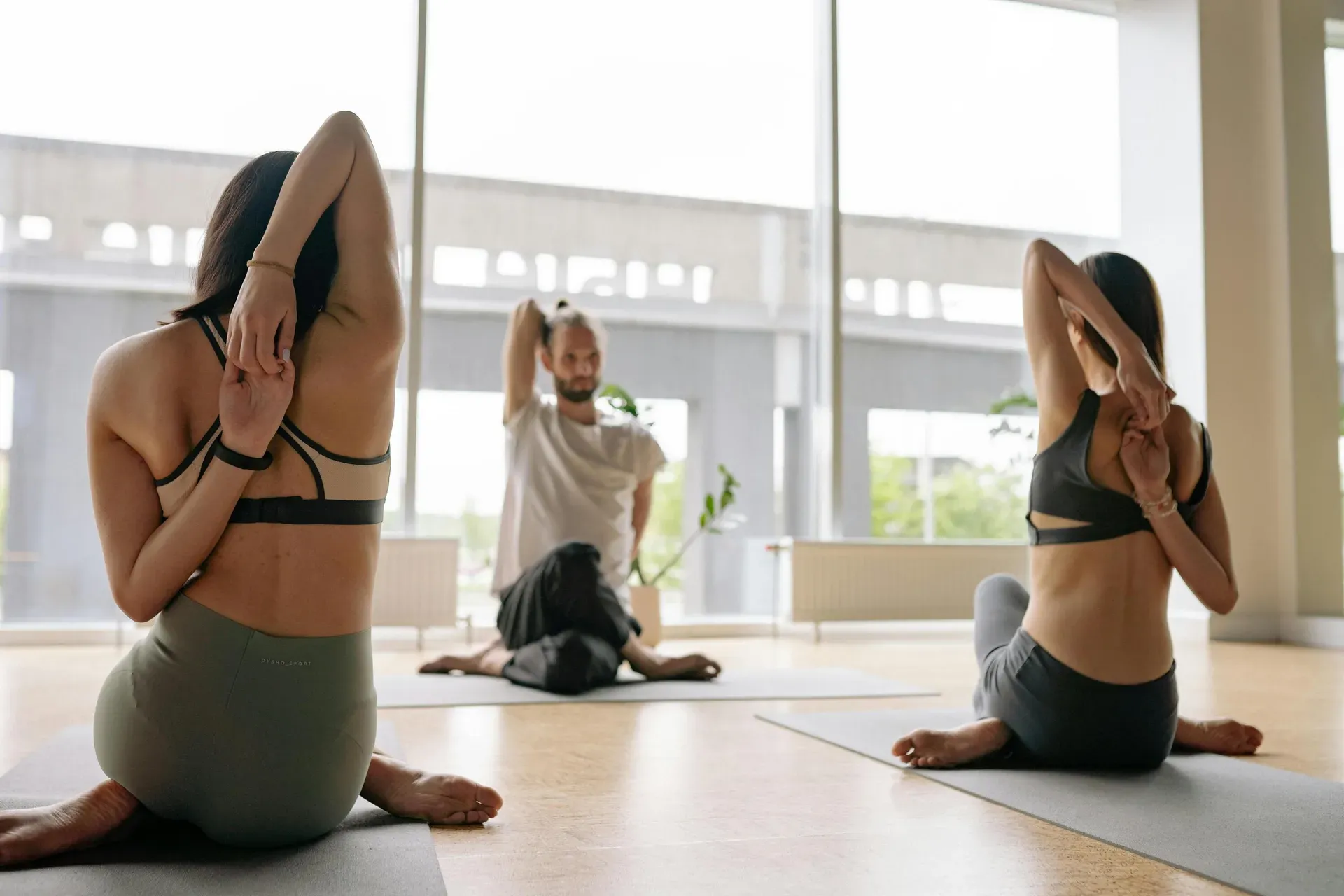
Loving-kindness meditation centers on cultivating compassion toward oneself and others. The practice involves silently offering well wishes such as safety, ease, or kindness, first inward and then outward.
This meditation type can be especially helpful for people who struggle with self-criticism, anger, or emotional rigidity. The goal is not forced positivity. Instead, it gently softens emotional patterns and builds acceptance through repetition and awareness.
Try For Free
Body Scan / Progressive Relaxation
Body scan meditation involves slowly moving attention through the body and noticing areas of tension or ease. Progressive relaxation adds gentle tightening and releasing of muscle groups.
These practices are common forms of meditation used for stress relief and sleep support. They work well for people who feel overwhelmed or physically tense. Guided formats are often helpful here, since structured instructions make it easier to stay present. Yuna can assist with this guidance through calm, step-by-step body awareness sessions.
Try Your Full Body Scan Meditation with Yuna
Focused Attention Meditation
Focused attention meditation uses a single object of focus. This might be the breath, a sound, or a visual point. When attention drifts, it is gently returned to that object.
This approach strengthens concentration and is helpful for racing thoughts. Among structured meditation types, focused attention is often used to build mental stability. Meditation by Yuna supports this practice through dedicated sessions that can range from 1 to 30 minutes. Users can adjust sound settings, choose silence or ambient noise, and shape the experience to match their focus needs.
Try For Free
Mantra Meditation
Mantra meditation uses the repetition of a word or phrase as the focus of attention. The rhythm of repetition helps anchor the mind and reduce mental chatter.
This meditation form can feel easier for people who dislike silence or struggle to focus on the breath. The sound itself becomes the point of awareness. While mantra meditation has cultural roots, it can be practiced in a simple and non-spiritual way when approached as a focus exercise.
Try For Free
Movement Meditation
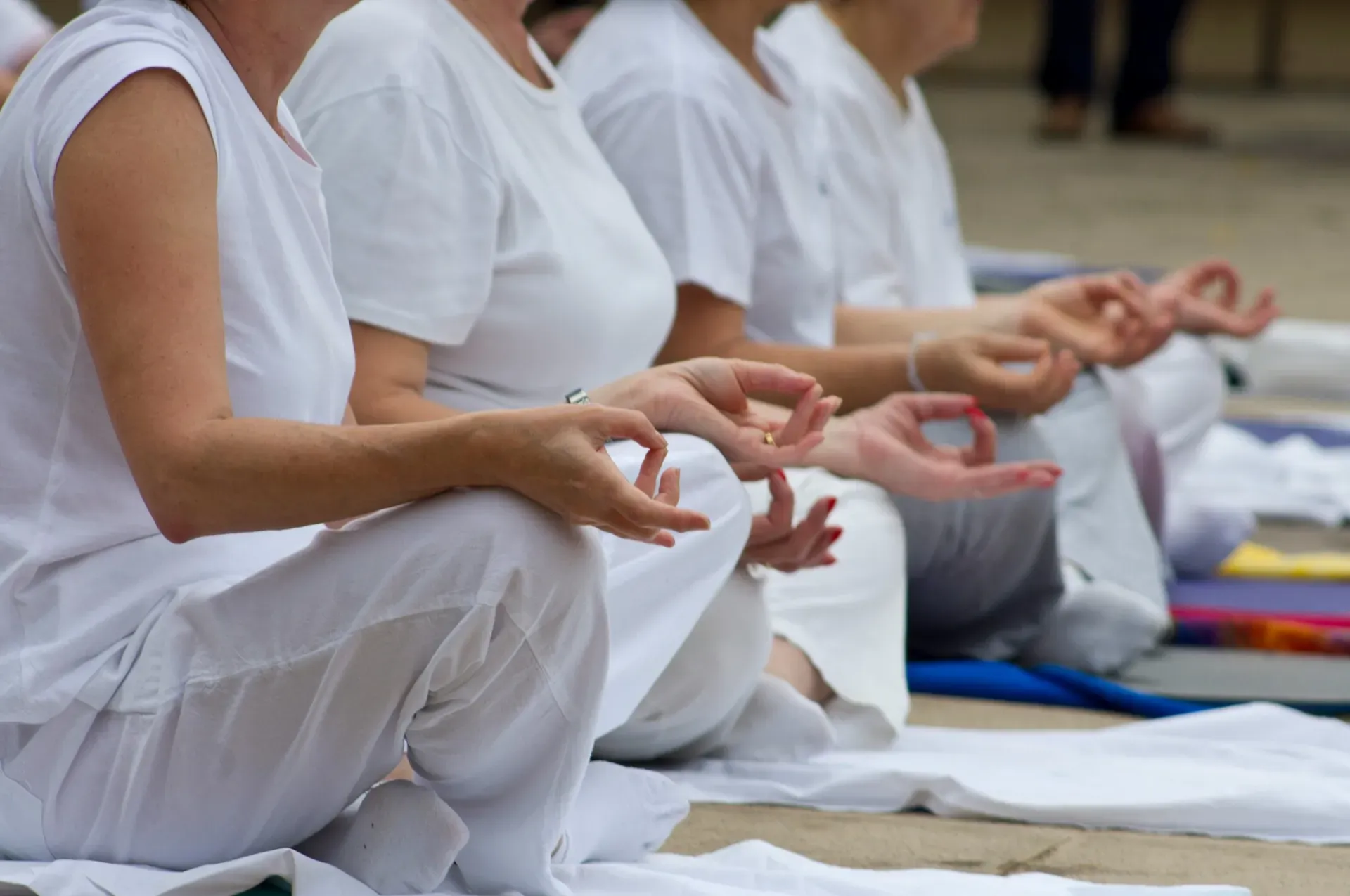
Movement meditation brings awareness into gentle physical activity. Walking, slow stretching, yoga, or mindful movement all fall under this category.
These meditation forms are ideal for people who feel restless or uncomfortable sitting still. Attention is placed on movement, balance, and bodily sensation. The practice helps connect mind and body while maintaining presence through motion rather than stillness.
Try For Free
Visualization Meditation
Visualization meditation involves creating calming or meaningful mental images. This may include imagining a peaceful place or visualizing steady breathing and relaxation.
Among different types of meditation, visualization is often used for stress reduction and emotional regulation. It is not about escaping reality. Instead, it uses imagery to settle the nervous system and support focus and motivation.
How to Choose the Right Meditation Type for You
Choosing a meditation approach is not about discipline, willpower, or doing it “correctly.” It is about finding a meditation technique that fits your current needs, energy levels, and daily life. Meditation works best when it feels supportive rather than forced. What suits you today may also change over time, and that flexibility is part of the practice.
Stress vs Focus vs Emotional Support
Start by identifying what you want help with right now. If stress or tension is your main issue, calming or body-based practices often feel more grounding because they help regulate the nervous system. If focus is your goal, structured attention practices may feel clearer and more stabilizing. For emotional support, compassion-based practices can help soften self-criticism and emotional reactivity. There is no need to pick one forever. Needs change, and practices can change with them.
Stillness vs Movement
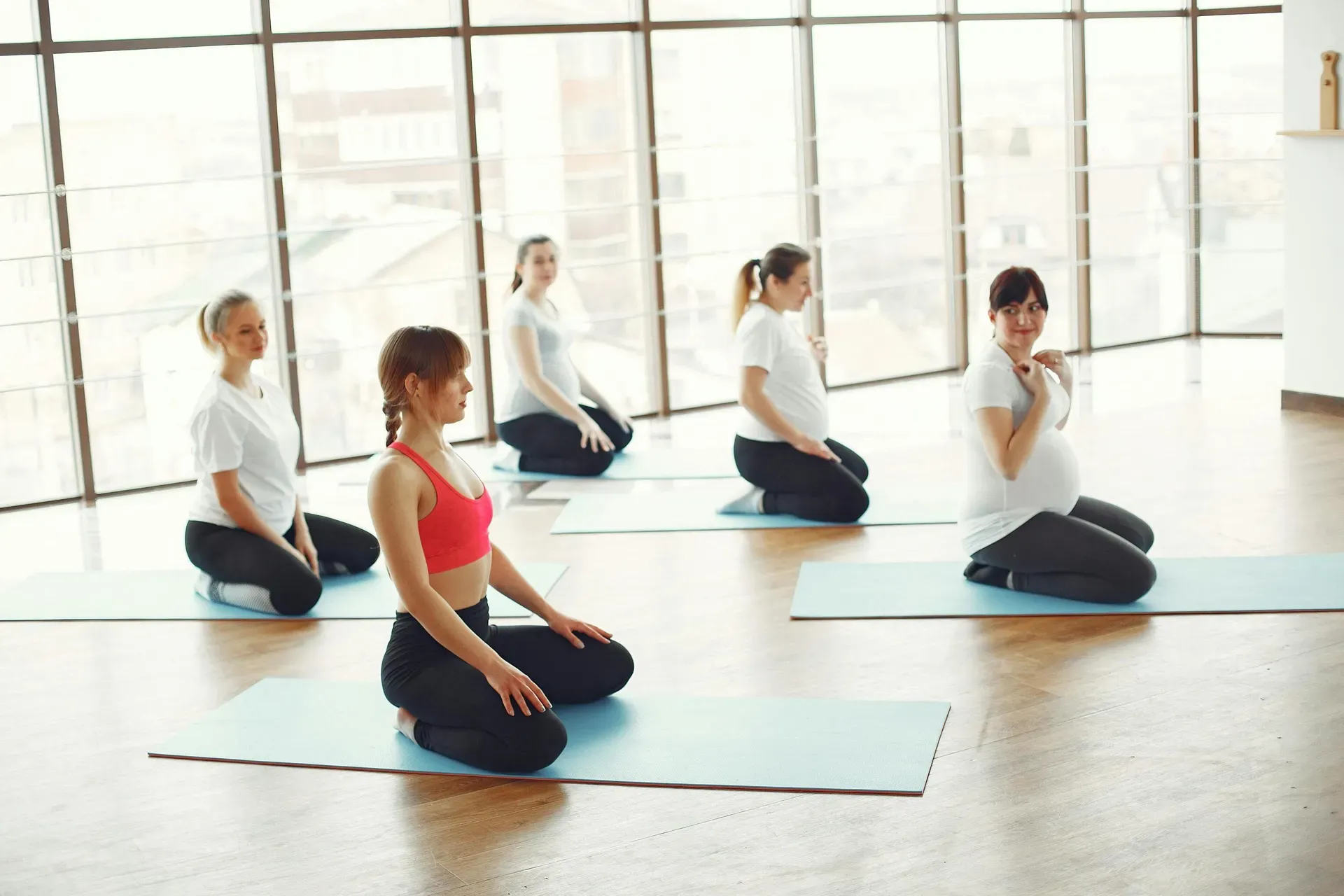
Some people feel settled when sitting quietly and turning inward. Others feel restless or disconnected when still and benefit more from movement-based practices. Movement meditation allows awareness to develop through walking or gentle motion. Neither approach is better. The one that feels physically and mentally comfortable is more likely to be practiced consistently.
Structure vs Flexibility
Guided practices provide reassurance, pacing, and clarity. They are especially helpful for beginners or during periods of stress. Unguided practices offer freedom and self-direction, which some people prefer once they feel more confident. Many people move between both depending on mood, energy, or life circumstances. Flexibility often leads to sustainability.
Time Availability
Meditation does not require long sessions. Short practices done regularly are more effective than long sessions done rarely. A meditation that fits into your schedule is more realistic and easier to maintain. Choosing a practice that respects your time helps remove guilt and pressure.
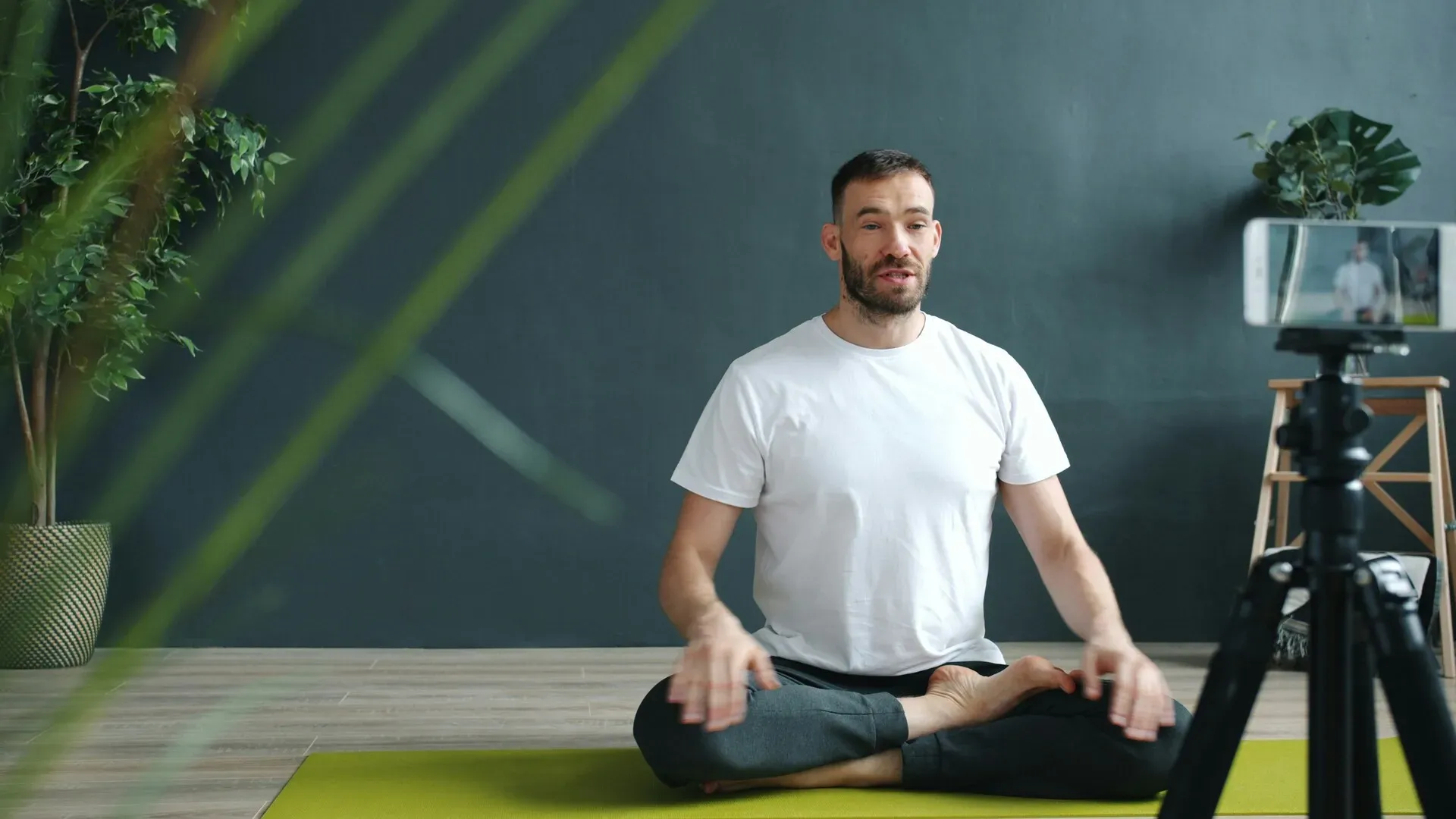
Switching meditation types is normal. Preferences can evolve as awareness grows, stress levels shift, or life routines change. Adaptation is not failure. It is part of learning what works for you.
Try For Free
Using Digital Tools to Explore Meditation Forms
Digital tools have made meditation more accessible, especially for beginners. Guided platforms help people explore practices without needing prior knowledge or long sessions. This support reduces confusion and removes pressure to perform correctly.
Many tools offer flexibility through session length, sound options, and pacing. This makes it easier to stay consistent and experiment safely. When exploring meditation forms, guidance can provide structure while still allowing personal choice. Tools like Yuna Health can act as a gentle companion, helping users try different approaches before settling into what feels right.
Try For Free
Best Type of Meditation with Yuna Health
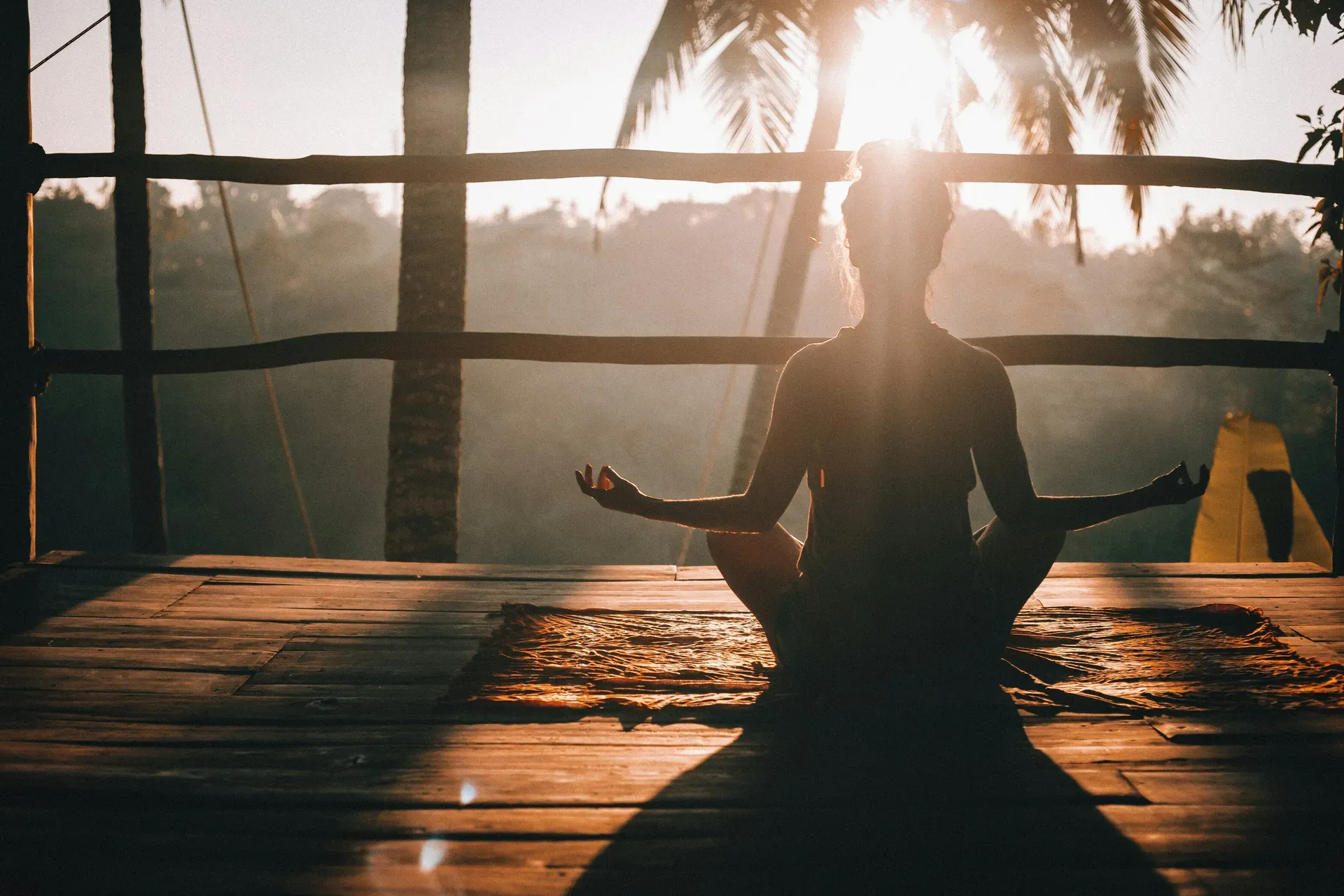
There is no single best type of meditation for everyone. Effectiveness depends on goals, mood, and personal preference. What works one day may not work the next. Experimentation matters more than labels.
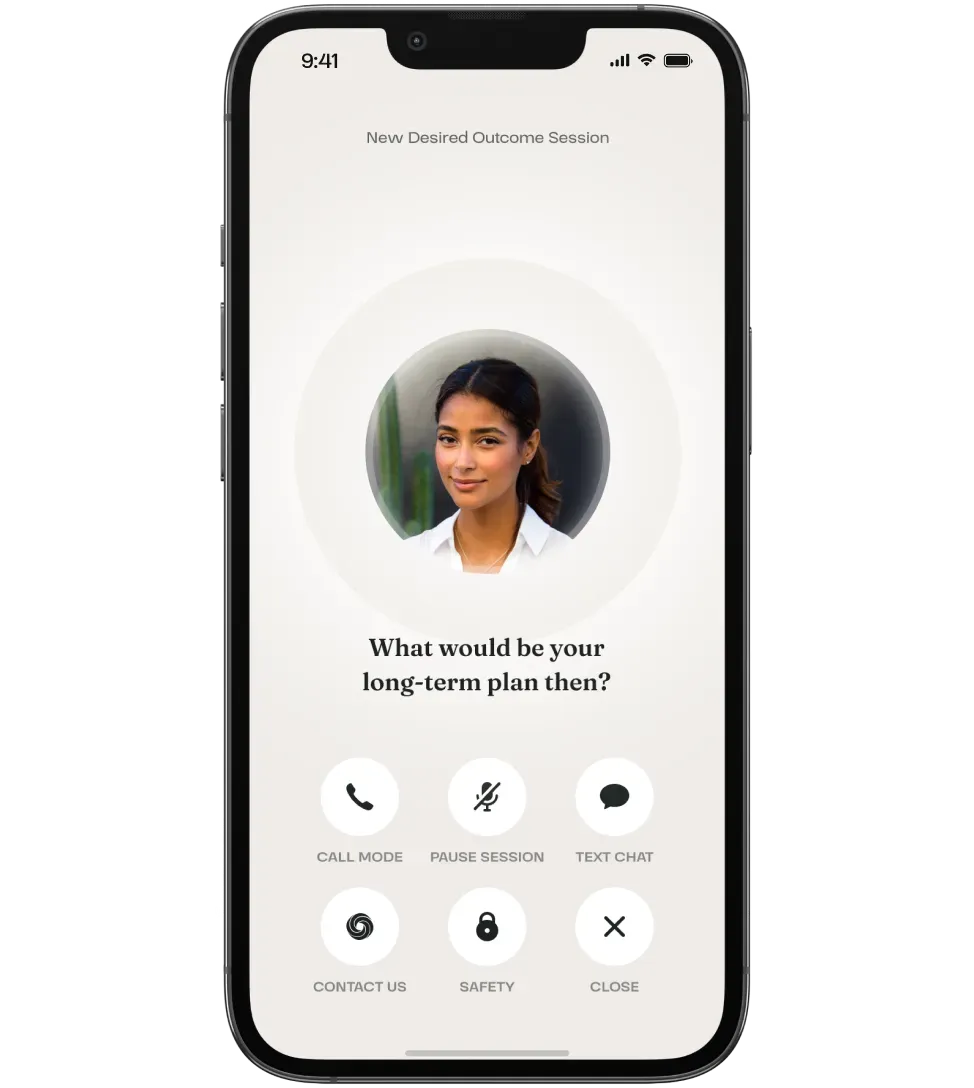
Yuna supports this flexibility by offering controlled meditation sessions that adapt to the user. Sessions can be timed and adjusted. Users can change volume, background sounds, music, or silence. Progress can be tracked without pressure or streaks. This makes meditation feel supportive rather than rigid. With Yuna, meditation becomes a practice that fits into real life, not another task to perfect.
Try For Free
FAQs
What are the different types of meditation?
There are many approaches to meditation, including mindfulness, body-based practices, movement, sound-focused, and visualization methods. Each type uses a different anchor for attention. These differences exist to support different needs, personalities, and comfort levels.
How many types of meditation are there?
There is no fixed number. Meditation practices overlap and evolve. Lists like seven or nine types are simplified groupings. Many practices blend elements from multiple approaches, which is why meditation often feels personal rather than standardized.
Which type of meditation is best for beginners?
Beginners often benefit from simple, guided practices. Mindfulness, body scan, or focused attention meditation can feel approachable. Guidance helps reduce confusion and reassures beginners that wandering thoughts are normal.
What is the best type of meditation for stress?
Practices that support nervous system regulation tend to help with stress. These include mindfulness, body scan, breathing-based, and relaxation-focused meditation. Short, consistent sessions are often more effective than long, irregular ones.
Can I practice more than one meditation type?
Yes. Many people use different practices for different situations. One meditation may support focus during work, while another helps with relaxation or emotional processing. Using multiple approaches can make meditation more practical and responsive to daily needs. Mixing practices does not weaken results and often improves consistency.
Do different meditation forms give different benefits?
Yes. Each form trains attention in a slightly different way. Some practices strengthen concentration, others support emotional awareness or physical relaxation. The benefits depend on the type used, how often you practice, and how well the practice fits your needs. Consistency matters more than choosing a perfect method.
What is the most effective type of meditation?
The most effective meditation is the one you can return to regularly without resistance. Effectiveness comes from comfort, clarity, and repetition. A simple practice done consistently will usually have more impact than a complex practice done occasionally.
What are the 7 levels of meditation?
Some traditions describe stages of deepening awareness or absorption. These levels are not required for everyday meditation. Most people benefit from simple practices that build awareness and emotional regulation without tracking progress through formal stages.
What are the 3 C’s of mindfulness?
The three C’s are curiosity, compassion, and consistency. Curiosity helps you observe experience without judgment. Compassion reduces self-criticism when the mind wanders. Consistency allows awareness to develop over time, even with short sessions.
What are the three golden rules of meditation?
Do not force the experience. Do not judge yourself or your thoughts. Gently return your attention whenever you notice it has wandered. These principles keep meditation supportive rather than stressful.
How do I know which meditation suits me?
Notice how you feel during and after practice. A suitable meditation usually feels approachable, not draining. Willingness to return, even on difficult days, is a strong sign that the practice fits your needs and lifestyle.
Try For Free