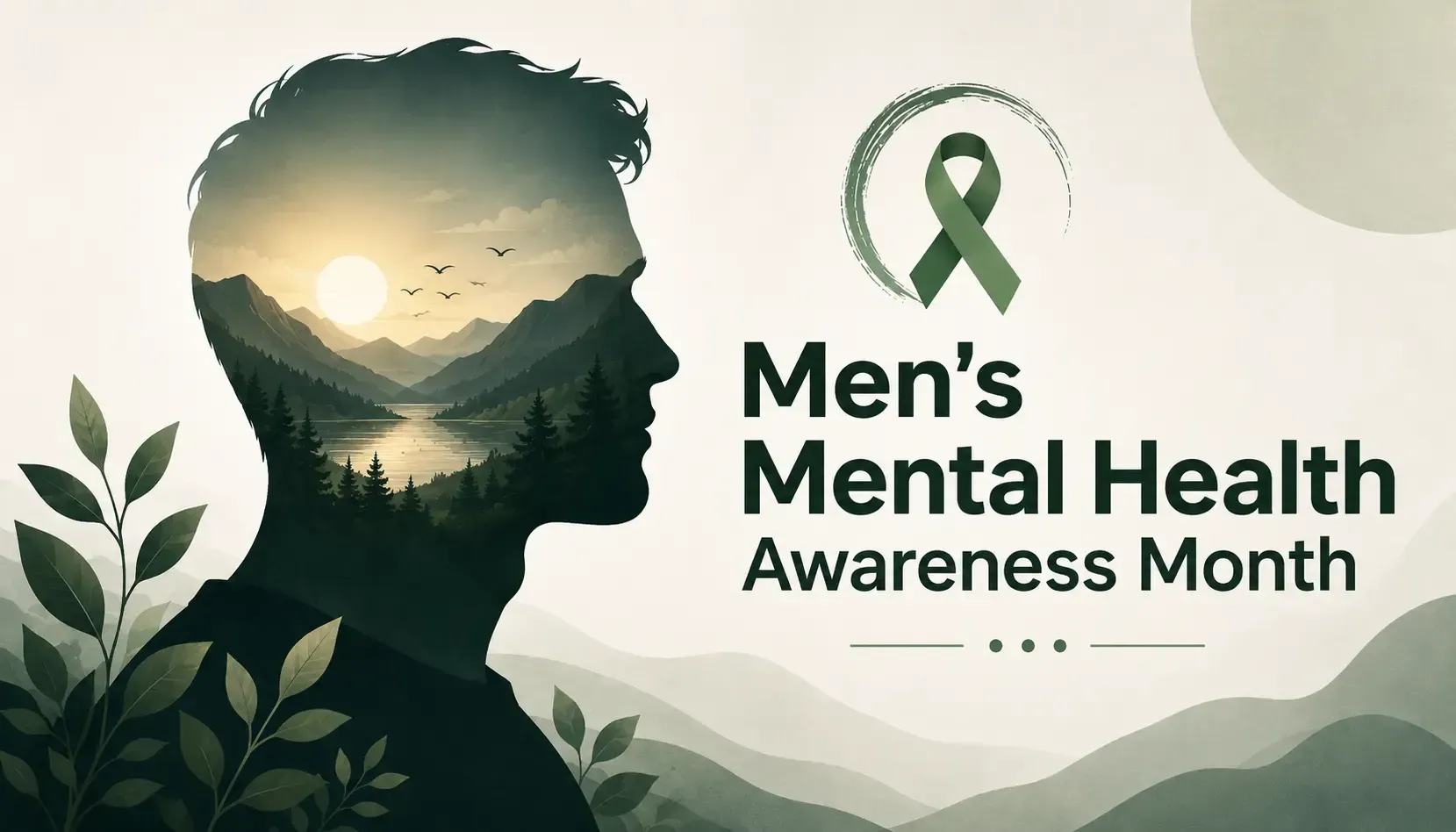


TL;DR
Many men struggle with stress, burnout, loneliness, and emotional pressure without openly talking about it. Men’s Mental Health Awareness Month highlights how stigma and emotional suppression continue to prevent many from seeking support early. The issue is serious, with men accounting for nearly 80% of suicides in the US and over 9 million experiencing anxiety or depression each year. Awareness helps normalize honest conversations, healthier coping habits, and emotional support before struggles turn into crises.
- 80% suicide rate – Men account for most suicides
- 9M+ affected yearly – Anxiety and depression remain widespread
- 45% seek help – Stigma still blocks emotional support
- 4x higher risk – Male suicide rates remain significantly higher
- 25% feel lonely – Younger men report rising isolation
Try For Free
Many men struggle quietly with stress, burnout, loneliness, and emotional pressure. They continue working, supporting others, and handling responsibilities while hiding how they actually feel. Society still teaches many men to “stay strong,” avoid vulnerability, and push emotions aside. Over time, this emotional suppression can lead to isolation, anger, anxiety, depression, or complete emotional exhaustion.
Workplace stress, financial pressure, relationship struggles, and social isolation are also affecting men more deeply today. Yet many still avoid asking for help because they fear judgement or believe emotional struggles make them look weak.
This is why Men’s Mental Health Awareness Month matters more than ever in 2026.
Observed during June, men’s mental health month helps raise awareness about emotional well-being, reduce stigma, and encourage honest conversations around mental health support. It also reminds people that emotional struggles are real health concerns, not personal failures.
This guide covers the history behind Men’s Mental Health Awareness Month, why awareness matters, important statistics, warning signs, practical activities, support resources, and ways to help men feel supported throughout the year.
Try For Free
What Is Men’s Mental Health Awareness Month?
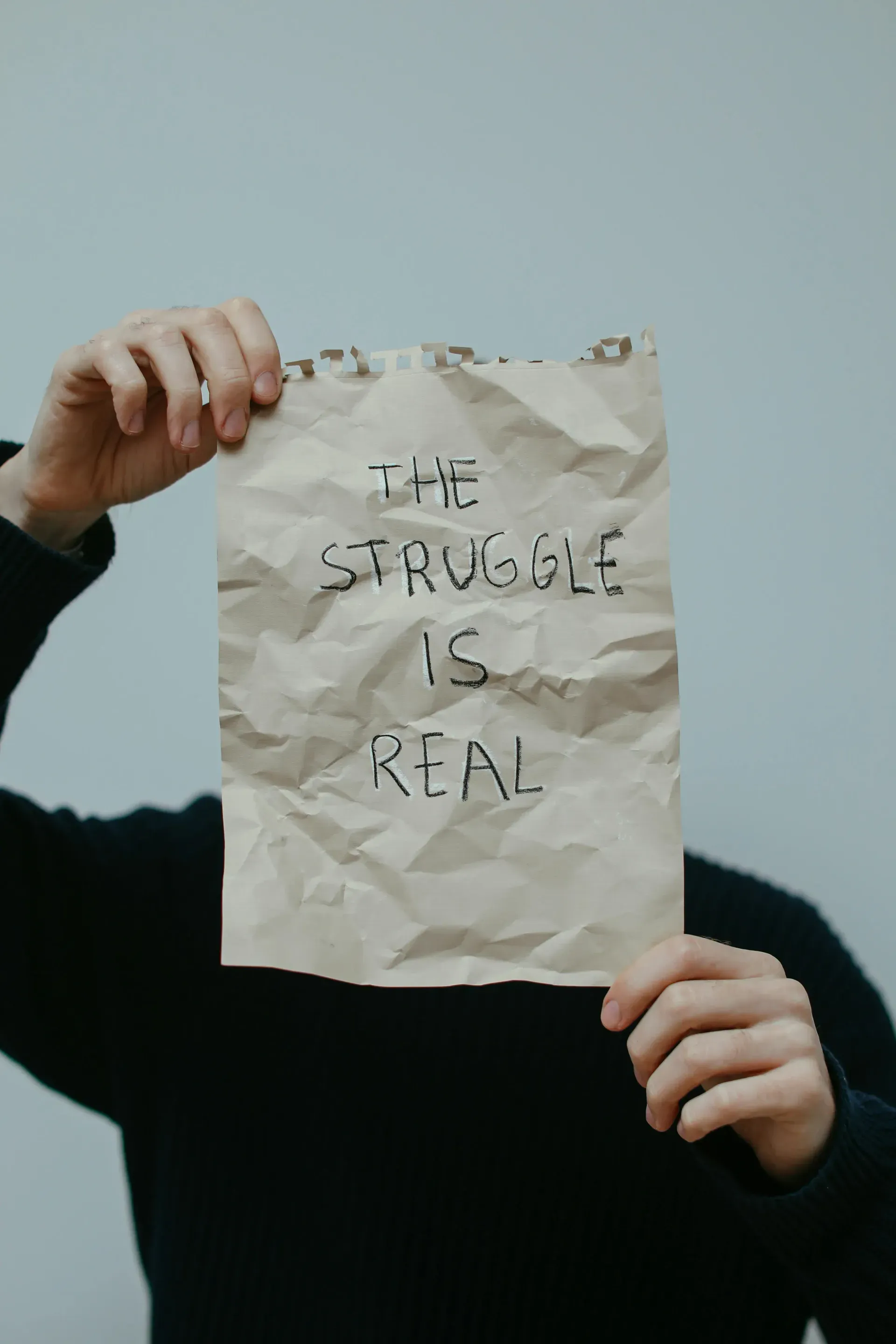
Men’s Mental Health Awareness Month is observed during June and focuses on raising awareness about the emotional well-being of men. It encourages open conversations around mental health, challenges stigma, and promotes access to emotional support and treatment.
The awareness movement is closely connected to Men’s Health Month, which also takes place in June. While men’s health campaigns originally focused heavily on physical health concerns, conversations around emotional well-being became more urgent as suicide rates, depression, emotional burnout, and substance misuse among men continued to rise.
Over time, men’s mental health awareness expanded into a broader movement that encourages men to speak openly about emotional struggles without shame or fear of judgement.
Mental health often affects men differently because emotional distress is not always expressed openly. Many men are taught to hide vulnerability from a young age. Instead of talking about sadness or anxiety directly, emotional struggles may appear through:
- anger or irritability
- emotional withdrawal
- overworking
- risky behavior
- substance use
- social isolation
This is one reason men’s mental health awareness is so important. Emotional struggles in men are often overlooked because they do not always match traditional signs of depression or anxiety.
Men’s mental health awareness month history also reflects larger cultural changes around masculinity and emotional openness. Awareness campaigns grew alongside broader men’s health initiatives and helped push conversations beyond physical health alone. Today, June serves as an important reminder that emotional well-being deserves the same attention as physical health.
Try For Free
Why Men’s Mental Health Awareness Matters in 2026
Mental health challenges among men are becoming harder to ignore. Emotional burnout, loneliness, work stress, and social isolation continue to rise, especially among younger and working-age men. At the same time, many still feel pressure to appear emotionally strong no matter what they are dealing with internally.
The importance of men’s mental health awareness in 2026 goes beyond awareness campaigns. It is about changing how society views emotional vulnerability and support for men.
Try For Free
The Pressure to Stay Silent
Many men grow up hearing phrases like “man up” or “deal with it yourself.” These messages teach emotional suppression instead of emotional awareness. As a result, many men struggle silently instead of asking for help when stress becomes overwhelming. Social expectations also make some men feel responsible for always appearing calm, capable, and emotionally in control.
Try For Free
Why Many Men Avoid Seeking Help
Stigma still plays a major role in men’s mental health. Some men worry that opening up will make them appear weak or incapable. Others simply do not know how to express emotions because emotional education was never encouraged growing up. Many men also avoid therapy or emotional support because they fear judgement from friends, workplaces, or family members.
Try For Free
The Cost of Ignoring Mental Health
Ignoring emotional struggles can affect every part of life. Burnout may slowly damage motivation, relationships, focus, and physical health. Some men turn to substance use, emotional withdrawal, or overworking to avoid dealing with stress directly. Untreated mental health struggles can also increase anxiety, depression, and suicide risk.
Men’s mental health awareness matters because it helps normalize conversations around support before emotional struggles become crises.
Try For Free
Men’s Mental Health Awareness Statistics

Men’s mental health awareness statistics show why these conversations are urgently needed. Many men continue struggling silently while avoiding emotional support or professional care. Statistics on men’s mental health also reveal major gaps in emotional support, therapy access, and suicide prevention awareness.
Some important statistics include:
- Men account for nearly 80% of suicides in the United States.
- More than 9 million men experience depression and anxiety every year.
- Men are significantly less likely to seek therapy compared to women.
- Only 45% of men seek help during emotional distress because of stigma and social pressure.
- Suicide rates among men are four times higher than among women.
- Emotional suppression and loneliness continue to rise among younger men in the US as 25% of them feel lonely, highest globally.
- Many men use unhealthy coping habits such as substance misuse or emotional withdrawal instead of seeking support.
These numbers highlight why awareness matters beyond social media campaigns or awareness months. Early conversations, emotional education, and accessible mental health support can help more men feel comfortable asking for help before emotional struggles become severe.
Try For Free
Common Signs Men May Be Struggling Mentally
Mental health struggles in men do not always appear the way people expect. Many men do not openly talk about sadness, anxiety, or emotional pain. Instead, stress may show up through behavior changes, emotional withdrawal, irritability, or unhealthy coping habits.
Mental health struggles do not always “look sad.”
Some common warning signs include:
Try For Free
Irritability and Anger
Some men express emotional distress through frustration, anger, or short tempers instead of openly discussing emotions. Small problems may trigger stronger reactions than usual. Constant irritability can sometimes hide deeper emotional exhaustion or anxiety.
Try For Free
Emotional Withdrawal
A man struggling mentally may slowly distance himself from friends, family, or social activities. He may stop responding to messages, avoid conversations, or spend more time isolated. Emotional withdrawal is often overlooked because people assume someone simply “needs space.”
Try For Free
Overworking and Constant Busyness
Some men use work or productivity to avoid dealing with emotional stress. Staying constantly busy can become a distraction from anxiety, loneliness, or burnout.
Try For Free
Substance Use and Unhealthy Coping
Increased alcohol use, substance misuse, or risky behavior can sometimes be signs of emotional distress. Some men use unhealthy coping habits because they struggle to express emotions directly.
Try For Free
Fatigue and Sleep Problems
Mental health struggles often affect sleep quality and energy levels. Constant exhaustion, insomnia, oversleeping, or feeling mentally drained every day may signal deeper emotional stress.
Try For Free
Loss of Motivation
A person who once enjoyed hobbies, exercise, social activities, or work may suddenly lose interest. This emotional numbness is often linked to burnout, depression, or emotional overload.
Try For Free
Risky or Self-Destructive Behavior
Some men respond to emotional distress through reckless decisions, aggressive behavior, or dangerous habits. Emotional pain sometimes appears externally instead of emotionally.
Recognizing these signs early can help create supportive conversations before someone feels completely overwhelmed or isolated.
Try For Free
How to Raise Awareness for Men’s Mental Health

Men’s mental health awareness grows through everyday conversations, support systems, and emotional openness. Awareness campaigns matter, but real change also happens in homes, workplaces, schools, gyms, and friend groups.
Small actions often create the biggest impact.
Try For Free
Start Honest Conversations
Many men rarely hear questions like, “How are you really doing?” Honest conversations help break emotional isolation and make people feel less alone.
When someone opens up:
- listen without judgement
- avoid dismissing emotions
- give space for honest discussion
- avoid forcing solutions immediately
Challenge Mental Health Stigma
Many men still grow up believing emotional vulnerability is weakness. Challenging this mindset is an important part of men’s mental health awareness.
People can help by:
- normalizing therapy and counseling
- speaking openly about emotional struggles
- encouraging emotional expression
- avoiding phrases like “man up” or “just deal with it”
The more emotional support becomes normalized, the easier it becomes for men to seek help earlier.
Try For Free
Create Safe Spaces for Men
Men often feel more comfortable opening up in familiar environments where they do not feel judged. Emotional support conversations do not always need formal settings.
Supportive spaces may include:
- workplaces
- gyms
- schools and colleges
- sports groups
- barbershops
- friend circles
- online communities
The goal is to create environments where emotional honesty feels safe instead of uncomfortable.
Try For Free
Share Mental Health Resources
Many people do not seek support simply because they do not know where to start. Sharing accessible resources can help remove that barrier.
Helpful resources include:
- crisis hotlines
- therapy directories
- support organizations
- mental health education platforms
- emotional wellness apps
Even sharing one helpful resource may encourage someone to seek support sooner.
Try For Free
Support Men Year-Round
Awareness should continue beyond June. Emotional well-being needs ongoing attention throughout the year.
Simple ways to support men regularly include:
- checking in consistently
- encouraging healthy coping habits
- talking openly about stress
- supporting work-life balance
- encouraging rest and emotional recovery
Men’s mental health awareness becomes more meaningful when support continues outside awareness campaigns.
Try For Free
Men’s Mental Health Awareness Activities

Mental health awareness activities help turn conversations into action. They create opportunities for connection, emotional support, and education in ways that feel approachable and engaging.
Workplace Activities
Workplaces can support emotional well-being by organizing mental health workshops focused on burnout, stress management, and emotional resilience. Companies can also introduce:
- mental health days
- anonymous emotional check-ins
- burnout prevention discussions
- flexible wellness initiatives
Creating emotionally supportive workplace cultures helps normalize conversations around stress and mental health.
Try For Free
School and College Activities
Students and younger men often face academic pressure, loneliness, identity struggles, and social anxiety. Schools and colleges can support awareness through:
- mental health awareness events
- peer support circles
- wellness campaigns
- student-led mental health panels
- mindfulness and stress management sessions
These activities help younger audiences understand that emotional support is normal and accessible.
Try For Free
Community Awareness Activities
Community events help reduce stigma by making conversations more public and approachable. Activities can include:
- charity walks
- sports fundraising events
- local wellness talks
- support group meetups
- barbershop discussions around men’s mental health
Familiar community settings often help conversations feel more comfortable and natural.
Try For Free
Social Media Campaigns
Social media awareness campaigns can help reach younger audiences quickly. Personal storytelling often creates stronger emotional connections than generic awareness posts. Helpful campaign ideas include:
- green ribbon awareness posts
- short awareness videos
- mental health education reels
- personal recovery stories
- emotional wellness discussions
Personal Mental Health Activities
Personal habits also play a major role in emotional well-being. Men’s mental health awareness activities can include:
- journaling
- exercise
- meditation
- therapy
- mindfulness practices
- mental health coaching
- digital detox routines
- healthier sleep habits
Small and consistent habits often improve emotional resilience over time.
Try For Free
Men’s Mental Health Awareness Month Resources

Support becomes easier when people know where to turn. Many men delay seeking help because they feel overwhelmed, unsure where to start, or uncomfortable opening up. Accessible resources can help reduce that barrier and encourage earlier support.
Crisis Support and Helplines
Immediate support matters during emotional crises or suicidal thoughts. Helpful resources include:
- 988 Suicide & Crisis Lifeline
- Crisis Text Line
- local emergency mental health services
- SAMHSA National Helpline
Therapy Directories and Professional Support
Some men prefer structured mental health support through therapists or counselors.
Helpful platforms include:
- therapy directories
- virtual counseling platforms
- local mental health clinics
- employee assistance programs
Access to professional support can help people manage anxiety, depression, trauma, burnout, and emotional stress more effectively.
Try For Free
Mental Health Organizations
Several organizations provide education, support groups, and awareness resources focused on emotional well-being. Useful organizations include:
These organizations offer educational materials, campaigns, emotional support tools, and community programs.
Try For Free
Digital Emotional Wellness Tools
Some men feel more comfortable starting with private emotional reflection tools before seeking formal support. Digital wellness platforms can help people build emotional awareness in less intimidating ways.
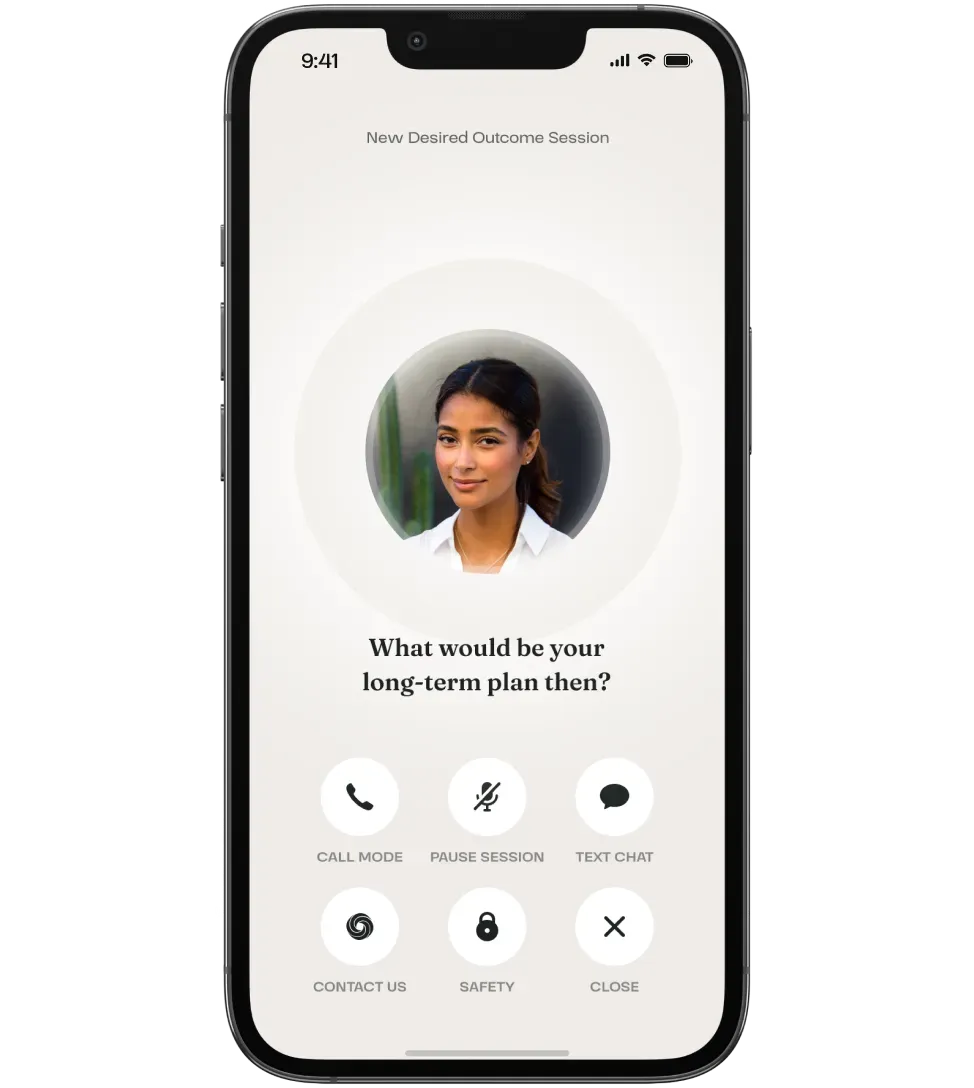
AI mental health apps like Yuna support emotional reflection through guided journaling, mindfulness exercises, stress management support, and emotional check-ins. These tools can help people process emotions more consistently and build healthier coping habits over time.
Try For Free
Men’s Mental Health Awareness Month Facts

Many emotional struggles affecting men remain hidden because of stigma, emotional suppression, and lack of support.
Some important facts include:
- Emotional suppression can increase long-term stress. Constantly hiding emotions may affect mental and physical health over time, including sleep, energy levels, and relationships.
- Mental health affects physical health too. Chronic stress and emotional exhaustion can contribute to fatigue, headaches, sleep problems, heart issues, and burnout.
- Workplace pressure is becoming a major emotional health factor for men. Many men feel pressure to stay productive even during emotional exhaustion, which increases burnout risk.
- Mental health support works best when conversations happen early. Early support, emotional education, and honest conversations can reduce long-term emotional struggles significantly.
Mental Health Support for Men in the Digital Age
Mental health support is changing quickly, especially for younger and working-age men. Many people now look for emotional support online before speaking with friends, family members, or therapists directly.
Digital mental health apps and tools are becoming more common because they feel private, accessible, and easier to approach. Some men feel more comfortable opening up gradually instead of discussing emotional struggles face-to-face immediately. Mental health support in the digital age now includes:
- emotional wellness apps
- online support communities
- virtual therapy platforms
- mindfulness tools
- AI-supported emotional reflection tools
- AI mental health coaching tools
These tools do not replace professional care, but they can help men build healthier emotional habits and recognize stress earlier.
Some digital wellness tools also support emotional awareness through:
- Guided journaling: Writing thoughts regularly can help men process stress, identify emotional patterns, and organize difficult emotions more clearly.
- Mindfulness practices: Mindfulness exercises help reduce mental overload and improve emotional awareness during stressful periods.
- Emotional check-ins: Daily emotional check-ins encourage men to pause and recognize how they actually feel instead of ignoring stress completely.
- Stress management tools: Breathing exercises, grounding techniques, and emotional reflection prompts can help reduce emotional overwhelm during difficult moments.
Mental health companion tools like Yuna support this type of emotional wellness approach through guided conversations, mindfulness support, journaling prompts, and emotional reflection exercises. Some users prefer private tools because they can process emotions without fear of judgement while building healthier emotional habits gradually.
Technology cannot replace human connection, but it can make emotional support feel more accessible for people who struggle to open up initially.
Try For Free
Men’s Mental Health Awareness with Yuna Health
Men do not need to struggle silently to prove strength. Emotional stress, burnout, loneliness, and anxiety affect millions of men every year, even when those struggles remain hidden from others.
Men’s Mental Health Awareness Month is a reminder that
- Emotional openness matters.
- Honest conversations matter.
- Support matters.
The more society normalizes emotional well-being, the easier it becomes for men to ask for help without shame or fear of judgement. Checking in on a friend, talking openly about stress, encouraging therapy, or creating emotionally supportive spaces can help someone feel less alone.
Some men also prefer starting with private emotional wellness support before opening up fully. As a mental health coach, Yuna can support emotional reflection in a more approachable way.
It is important to note that awareness should continue beyond June as emotional well-being deserves attention every day of the year.
Try For Free
FAQs
When is Men’s Mental Health Month?
Men’s Mental Health Month is observed during June every year. The awareness month focuses on emotional well-being, reducing stigma, encouraging open conversations, and promoting mental health support for men across workplaces, schools, communities, and families.
When was Men’s Mental Health Awareness Month established?
Men’s Mental Health Awareness Month developed alongside broader Men’s Health Month initiatives that gained attention during the 1990s and early 2000s. Awareness efforts expanded as conversations around male suicide rates, depression, emotional stigma, and men’s emotional well-being became more urgent globally.
Why is men’s mental health awareness important?
Men’s mental health awareness helps reduce stigma and encourages men to seek support earlier. Many men struggle silently because of social pressure, emotional suppression, or fear of judgement. Awareness promotes healthier conversations, emotional education, and better access to mental health support and resources.
How can I support men’s mental health?
You can support men’s mental health by starting honest conversations, listening without judgement, encouraging emotional openness, sharing mental health resources, and checking in regularly with the men in your life. Creating supportive spaces where emotional struggles can be discussed openly also makes a meaningful difference.
What are common signs of poor mental health in men?
Common signs include irritability, anger, emotional withdrawal, overworking, fatigue, sleep problems, substance use, isolation, loss of motivation, and risky behavior. Mental health struggles in men do not always appear as sadness and are often expressed through behavior changes instead.
Try For Free