


AI has entered the mental health space at a fast pace. Many people see it as a quiet revolution that brings support to millions. Others worry about safety, privacy, or inflated promises. Both views exist for a reason. AI mental health therapy apps can offer real help. They can also fall short when used without care.
The challenge is to understand what works and what is only marketing. It is also important to look at the ethical, clinical, and technical limits. Mental health support needs accuracy and responsibility. This makes careful evaluation essential. When used with the right structure, AI therapy apps can support care in a gentle and consistent way. When used without guidance, they can create confusion.
Researchers and health councils have raised questions about AI in mental health. Some tools show great promise, however, some results are still early. This blog highlights what is useful today and what still needs improvement.
The Promise: How AI Therapy Is Transforming Mental Health
AI therapy apps are changing mental health support in new ways. They work at a speed and reach that traditional services cannot match. They also fit into daily routines with simple interactions. The following sections explain what is working in real settings.
Expanding Accessibility and Efficiency
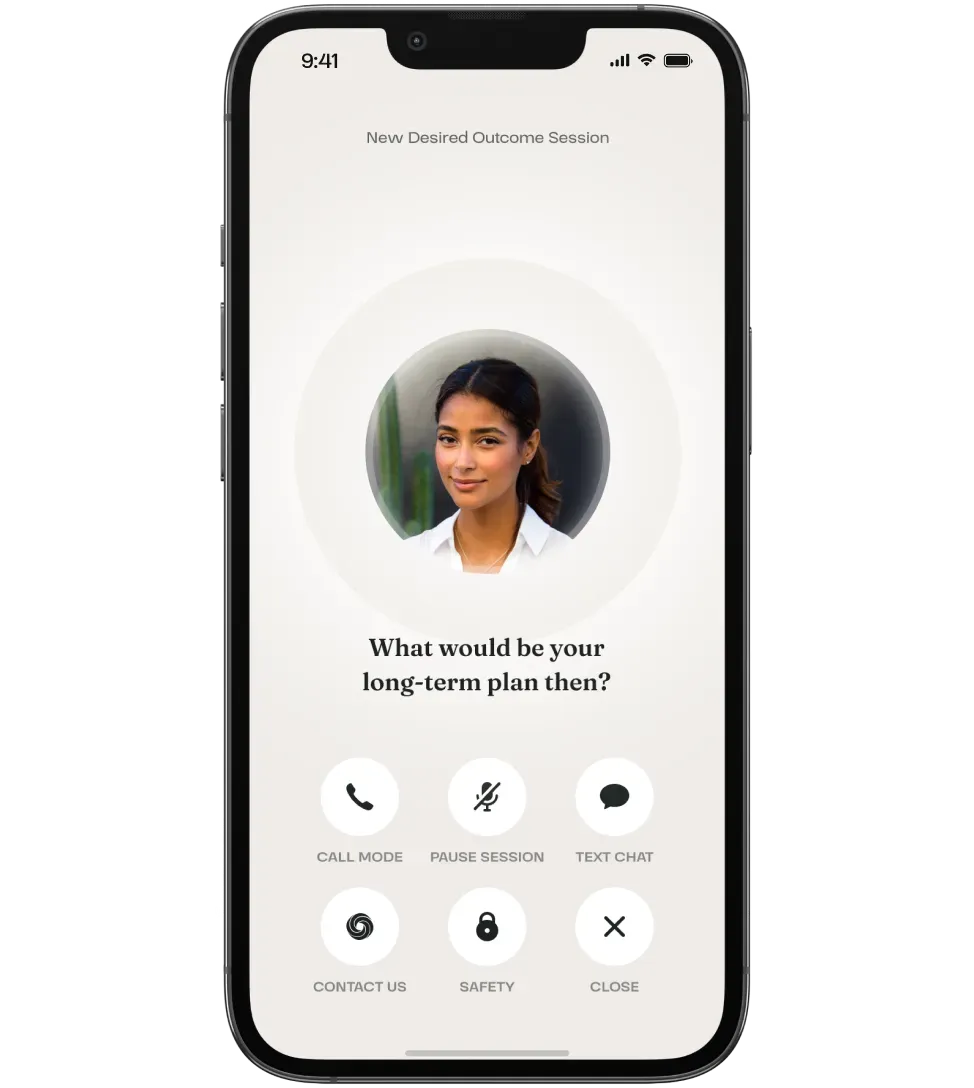
AI mental health therapy tools remove barriers that many people face. Some users cannot attend in-person sessions. Some avoid support because of fear or limited time. A mental health AI chatbot offers help at any hour. Yuna follows this approach. It gives steady emotional support and guidance in short check-ins.
AI therapy apps also cost less than many traditional options. This makes mental health support available to more people. Research shows that digital models reduce economic strain and reach underserved groups. AI also helps reduce mental health stigma in the workplace. It can manage assessments or basic checks. This gives human professionals more time for complex cases.
Enhancing Diagnosis and Personalized Care
AI mental health therapy tools can detect early emotional distress. They study text, speech patterns, and wearable signals. These signals help identify depression, anxiety, or mood changes. Early detection can help people seek care before symptoms get worse.
They also help create personalized care paths. AI adapts suggestions based on behaviour. It can guide people through grounding techniques, reframing tools, or structured exercises. Studies show that AI can support clinical decision-making through neuroimaging and behavioural data. This reduces guesswork and supports faster intervention.
Proven AI-Based Therapeutic Interventions
Some AI therapy apps show measurable improvements in symptoms. Users report lower levels of anxiety and depression after consistent interaction. Evidence shows that guided chatbot support works best when combined with human care. Hybrid models give people daily contact with AI and deeper sessions with licensed experts. This approach mirrors how Yuna supports users through daily mental health coaching while respecting human-led care when needed.
The Hype: Overstatements and Risks
AI therapy has limits. Some claims promise too much. Some tools are released too early. These risks must be understood before anyone depends on them.
AI Mental Health Therapy: Unrealistic Expectations
AI cannot replace human empathy. It cannot sense subtle expressions or complex emotional layers. Marketing sometimes suggests otherwise. This can create false expectations. It can also harm users who expect deep emotional understanding from a machine.
There are also risks of misdiagnosis. AI can misread tone or context. This can lead to harmful advice or poor suggestions. Clinicians warn about over-reliance on AI output. They explain that emotional cues can be missed when decisions are based only on algorithms. These are real concerns that require caution.
Yuna avoids these risks by staying within a coaching role instead of acting as an AI therapist and giving simple, supportive guidance instead of clinical judgement.
Ethical, Privacy, and Bias Concerns
AI therapy apps handle sensitive data. Many users do not know how their data is stored or shared. Clear consent is needed and security must be strong. There is also the problem of algorithmic bias. AI models trained on limited data may create unfair results across cultures or groups.
Regulation is still limited. Without global standards, unsafe tools can enter the market. Ethical frameworks are needed to guide responsible design. Yuna follows a coaching model with strong privacy rules. It also gives users full control over data removal. This keeps the experience simple, safe, and grounded in user choice rather than intrusive data use.
Read this blog to learn more about the difference between mental health coaching and therapy.
Engagement, Trust, and Human Dependency
Some users do not trust AI support. They feel responses can be generic or inaccurate. This lowers engagement. On the other side, some people become too attached. They treat AI as a human-like companion. This can increase emotional dependence and create confusion. AI needs clear boundaries and guidance to avoid these issues.
Yuna manages this by setting clear expectations, giving gentle prompts, and encouraging human help when emotional intensity rises.
Bridging the Gap: From Hype to Evidence-Based Practice
Real progress comes when design, ethics, and clinical insight work together. The next sections explain how AI can become more effective and safe.
Building Collaborative Ecosystems
AI improves when experts collaborate. Developers need input from psychologists, therapists, ethicists, and community voices. This keeps tools grounded in real human needs. Open research also builds trust and shared data (with privacy protection) helps the community evaluate what works.
Establishing Ethical and Regulatory Safeguards
Mental health AI tools need clear ethical rules. These rules protect users from harm. They guide how apps collect data, offer guidance, and escalate crises. Yuna follows this approach as it builds ethical frameworks for safe emotional support. Regulation also matters. Strong data laws and human oversight keep AI therapy apps responsible.
Educating Users and Clinicians
Users need to know when AI support helps and when it does not. Clinicians also need training to combine AI mental health therapy with their work to avoid its misuse. Awareness helps people understand that AI should support care, not replace it.
The Future of Augmented Mental Health Care
AI will support mental health without taking the place of human care. It will assist people through short prompts, early signals, and continuous access. It will also support clinicians through data and insights. The most successful future will be built on safety, transparency, and strong collaboration.
AI therapy apps can help people feel supported every day. They cannot replace human warmth. They can strengthen it by offering small touches of care throughout the day. Yuna Health follows this vision by giving users simple guidance and emotional tracking that fits real life.
Responsible innovation will decide what happens next. Evidence must guide progress. When this happens, AI mental health therapy can support people in a gentle and meaningful way.