

Overview:
There is no single best time to meditate. The right time is the one you can practice consistently without resistance. Morning, afternoon, or night all offer different benefits depending on your routine and energy. What matters most is showing up regularly, not choosing a perfect hour.
Meditation is one of the most widely practiced tools for stress reduction and mental clarity, with research suggesting that brief daily sessions of just 10 minutes can boost wellbeing by 6.9%, decrease anxiety by 12.6%, and reduce depression by 19.2%.
Because meditation has measurable benefits, many people have doubts and questions around it to get the best results, such as -
What is the best time to meditate?
What are some of the best meditation techniques?
Which type of meditation suits me best?
And how to meditate properly as a beginner?
In this blog, we will specifically focus on the best time to meditate. For other queries you can check our other blogs on those topics. So, let’s continue with trying to understand what time of the day is best for you to meditate.
Different people have different experiences and results with meditation. Some people find calm and focus in early morning silence. Others notice more relief in the midst of stress or at night after a long day of work. This brings us to the conclusion that there is no single universal time that fits everyone perfectly.
Instead of chasing a perfect hour on the clock, it helps to understand how different parts of the day shape your experience of meditation. This guide explains practical options for meditation times and how each can support your practice depending on your goals and schedule.
Try For Free
What Is the Best Time to Meditate?
The short answer is there is no universal best time that applies to everyone. The best times to meditate are the ones you can return to regularly without resistance or pressure.
Meditation works because of repetition and awareness, not because of a specific hour on the clock. Whether you meditate in the morning, afternoon, or evening, the benefits come from showing up consistently and using the meditation technique that works for you. Time matters mainly for habit building and lifestyle fit. A time that aligns with your energy and schedule makes meditation easier to maintain.
Try For Free
Instead of searching for the perfect moment, it helps to understand how different meditation times feel in daily life and what each option supports best.
Meditating in the Morning
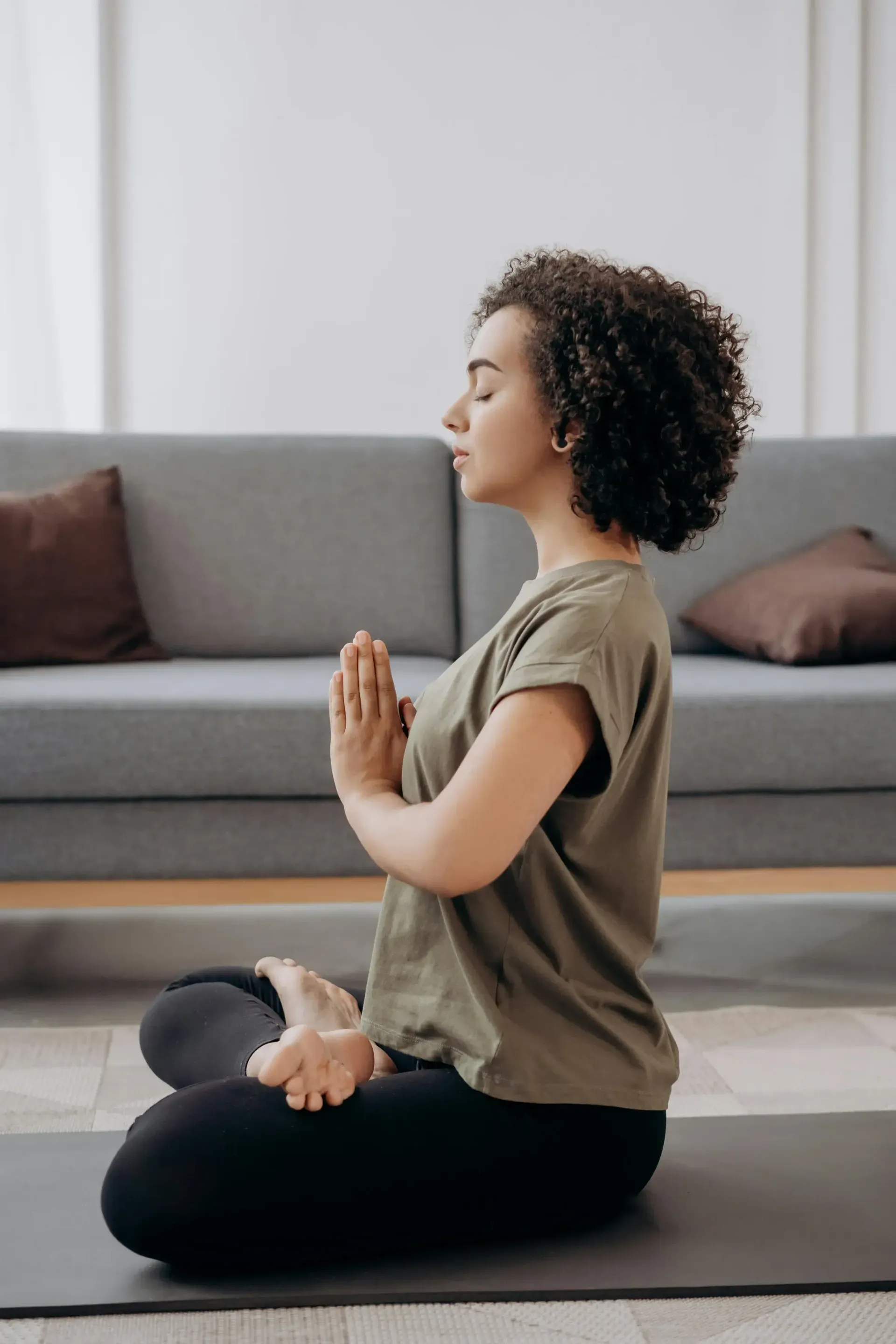
Morning meditation works well for many people because it happens before the day becomes demanding.
- Distractions are fewer.
- Notifications have not piled up.
- The mind has not yet been pulled in multiple directions.
For beginners, morning meditation often feels easier to stick with. Practicing early supports habit formation and creates a sense of structure. Many people also notice that morning meditation sets the emotional tone for the day. It can support focus, patience, and calmer decision making.
That said, morning is not automatically the best time of day for meditation for everyone. If mornings feel rushed or stressful, forcing meditation can create frustration instead of calm.
Try For Free
Meditating at Night
Meditating at night can feel supportive after a long or emotionally heavy day. It offers space to process thoughts, stop overthinking and create a boundary between work and personal time. For people who carry stress into the evening, meditation can help the nervous system settle.
However, meditation too close to sleep can blur the line between awareness and drowsiness. Meditation is about being present, not falling asleep. Late night practice can also reduce consistency if exhaustion leads to skipped sessions.
For some, balancing meditation day and night works better than choosing only one option. The key is noticing how your body responds rather than following a rule.
Try For Free
Afternoon Meditation
Afternoon meditation is often overlooked, but it can be very effective. Energy and focus tend to dip during the middle of the day, especially during work hours. A short meditation session can reset attention and reduce mental fatigue.
This time works best with brief sessions. Even five minutes of awareness can help interrupt stress patterns and improve clarity. Afternoon meditation is particularly helpful for people with demanding jobs or long periods of screen time.
Rather than viewing meditation as a single daily event, afternoon practice supports flexibility and stress regulation throughout the day.
Try For Free
Meditating When You Feel Stressed
Many people wonder if meditation should only happen when they feel calm. In reality, moments of stress are often a good time for meditation. You just need to use the right type of meditation that can help you feel relieved and relaxed, such as a body scan or mindfulness meditation.
Mini meditations help you pause before reacting. They support emotional regulation and reduce rumination. This approach shifts meditation from something you do only in quiet moments to something that supports you during real life challenges.
Over time, this practice helps reduce how often stress escalates rather than only responding after it becomes intense.
Try For Free
Meditating at Your Workplace
Work is one of the most common sources of stress and burnout. Short meditation breaks during the workday can support focus, emotional balance, and decision making. It might also help you achieve flow state. These sessions do not need to be long or complicated.
Mini meditations at work help interrupt mental overload and reduce tension before it accumulates. Many people use digital tools for guided sessions and gentle mindfulness during breaks. AI mental health apps in 2026 like Yuna Health offer short guided practices that fit into busy schedules without requiring privacy or extended time away from work.
Try For Free
Is It Better to Meditate in the Morning or at Night?
The best time to meditate for greatest benefits depends less on the clock and more on how your body and mind respond. Some people feel clear and alert in the morning. Others unwind more easily at night. Neither option is better by default.
Morning meditation often supports habit building. Energy is usually higher and fewer interruptions make it easier to stay consistent. This is why many beginners succeed when they meditate early in the day.
Night meditation suits people who need emotional processing after work. It helps release tension and reflect on the day. The key is timing. If meditation makes you too alert, it should not happen right before sleep.
Try For Free
The most important factor is sustainability. A meditation time that fits your energy and routine will deliver better results than forcing an ideal schedule that does not last.
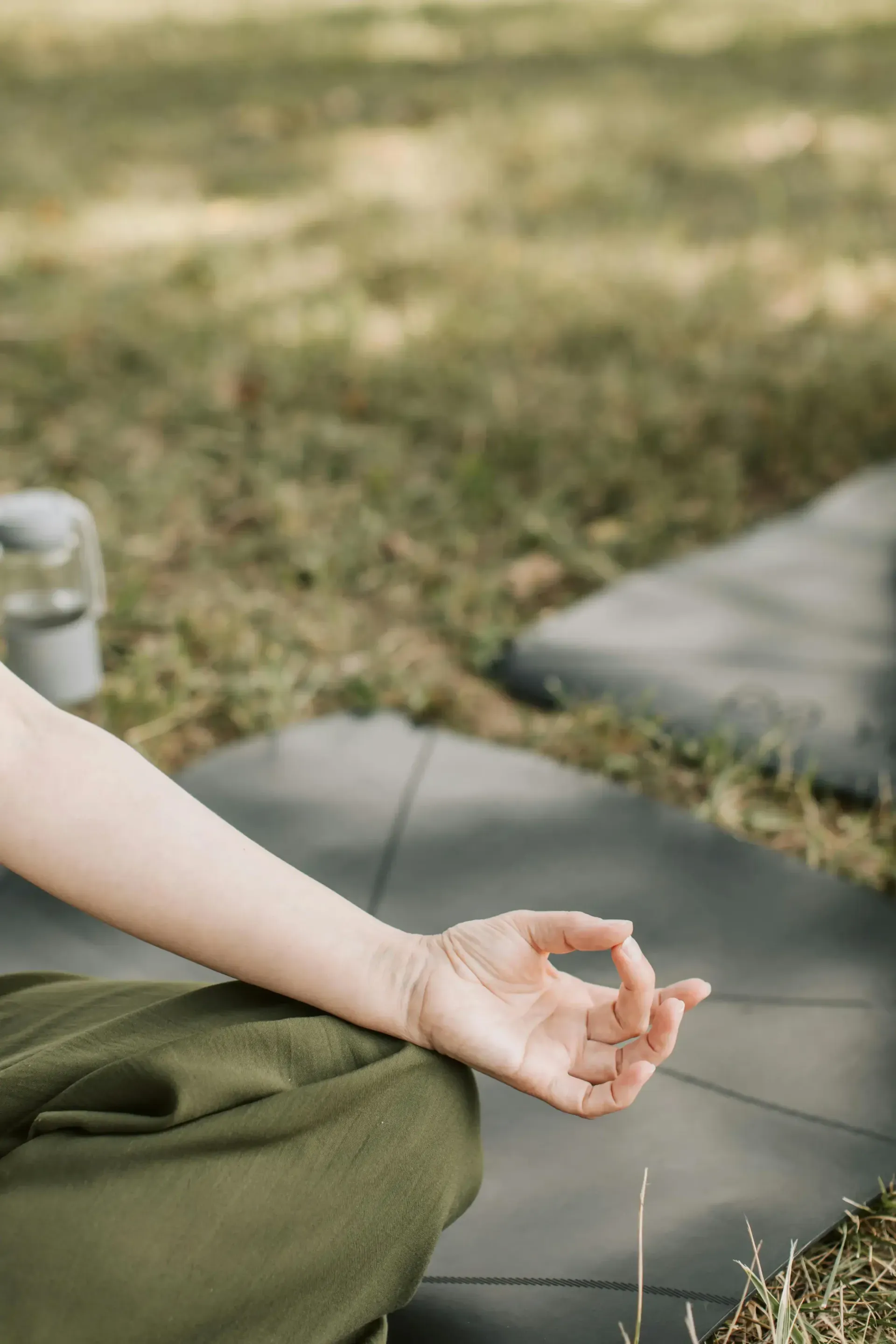
Using Guided Support to Meditate at Any Time
Guided support makes meditation more flexible. It removes the pressure of choosing the right technique or duration. This is especially useful when your schedule changes or energy fluctuates.
Short guided sessions allow you to meditate during breaks, between meetings, or after stressful moments. This makes meditation possible during workdays, not just mornings or evenings.
Guided tools also help beginners stay present. Gentle prompts prevent distraction without effort. This allows meditation to fit into real life rather than requiring ideal conditions.
Digital support, such as a mental health companion like Yuna, is helpful for people who want consistency without rigidity. It supports meditation times that adapt to your day instead of controlling it.
Try For Free
FAQ
How many times a day should I meditate?
Most people benefit from meditating once a day. One consistent session builds awareness and emotional regulation. Some people add short sessions when stressed. These mini practices support focus and calm without replacing a regular routine.
What is the best time of the day to meditate?
The best time of day to meditate is when you can practice consistently. Morning, afternoon, or evening all work. Benefits come from repetition, not timing. Choose a time that matches your energy and daily responsibilities.
Is it best to meditate for an hour?
Meditating for an hour is not necessary. Many people benefit from five to twenty minutes. Short sessions are easier to sustain. Consistency matters more than duration. Longer sessions can be explored later if they feel supportive.
Which time is not good for meditation?
Meditation is less effective when the body or mind is overloaded. Avoid meditating right after a heavy meal as the body focuses on digestion, making mental focus harder. Also avoid moments of extreme fatigue, rushing, or multitasking, as presence becomes difficult. Meditation works best when you can pause without pressure, even if only for a few minutes. Choosing a calmer window helps the practice feel supportive rather than forced.
Try For Free