


TL:DR
Flow state is a mental state of deep focus where attention feels effortless and fully absorbed. It occurs when challenge and skill are balanced, allowing you to work without distraction or strain. Flow improves performance, creativity, and motivation while reducing mental noise. It can be developed by creating the right conditions, not by forcing focus.
You may have experienced moments where your attention feels effortless. You are fully absorbed in what you are doing. Time seems to move differently. Distractions fade into the background. Many people describe this experience as being “in the zone.”
This experience is also known as the flow state. It is not a productivity hack or a personality trait. It is a psychological state that occurs when focus, skill, and challenge align. Flow can happen during creative work, problem solving, sports, learning, or even everyday tasks when conditions are right.
Flow is not about pushing harder or forcing concentration. It emerges naturally when the mind feels engaged but not overwhelmed. This article explains what flow state means, how it works from a psychological perspective, and how you can enter flow more consistently in work and daily life.
Try For Free
What Is a Flow State?
A flow state is a mental state where attention becomes fully absorbed in a task. Action and awareness align so closely that effort feels smooth rather than strained. The flow state can be defined as complete immersion without distraction.
The concept was introduced through research in psychology that explored peak experiences during meaningful activities. Flow occurs when a task is challenging enough to hold attention but not so difficult that it creates anxiety. However, skill and difficulty remain balanced.
During flow, self-conscious thoughts quiet down. Internal commentary reduces. Many people experience time distortion, where minutes pass quickly without notice. Flow is not passive relaxation. It is an active and engaged state of attention where the mind feels clear, stable, and responsive.
Try For Free

How to Enter a Flow State
Learning how to enter a flow state is not about forcing yourself into extreme focus. It is about creating the right conditions as flow appears when attention, challenge, and clarity align.
Below is a practical framework you can apply across work, creativity, and daily life.
Step 1: Choose a Meaningful Task
Flow begins with engagement. The task should matter to you in some way. It does not need to be your passion, but it should feel relevant. Meaning increases focus naturally. When a task feels pointless, the mind searches for escape. When it feels meaningful, attention settles more easily.
Step 2: Match Challenge With Skill
Flow requires balance. If a task is too easy, boredom appears. If it is too difficult, anxiety takes over. The ideal state stretches your ability slightly. You feel challenged but capable. This balance creates the psychological conditions that allow immersion.
Step 3: Remove Distractions
Flow depends on uninterrupted attention. Notifications, multitasking, and constant switching interrupt momentum. Before beginning,
- Reduce external noise.
- Silence alerts.
- Close unrelated tabs.
- Create a defined window where focus is protected.
Attention stabilizes when the environment supports it.
Step 4: Set Clear Goals and Feedback
Ambiguity disrupts flow, while clear goals provide direction. You should know what you are trying to complete during that session. Immediate feedback also matters. This does not need to come from other people. It can be progress markers, checklists, or visible movement in your work.
Step 5: Focus on the Process, Not the Outcome
Flow disappears when attention shifts to evaluation. If you constantly judge your performance, immersion breaks. Stay with the task itself. Notice the actions, not the results. This shift from outcome to process is central to how to achieve flow state consistently.
Try Yuna AI For Free
How to Get Into the Flow State at Work
Understanding how to get into the flow state in professional settings requires structural changes. Work environments are filled with interruptions. Flow does not thrive in constant reactivity.
Below are practical workplace adjustments that support a stable flow state of mind:
- Single-task focus: Work on one cognitively demanding task at a time. Avoid multitasking. Divided attention prevents deep immersion.
- Dedicated deep work blocks: Schedule uninterrupted time blocks for complex tasks. Even 45 to 90 minutes can create momentum.
- Clear daily outcomes: Define what completion looks like before starting. Clarity reduces hesitation and improves engagement.
- Reduced context switching: Group similar tasks together. Switching between email, meetings, and creative work drains cognitive energy.
- Protected distraction-free periods: Use notification controls and communication boundaries during focus windows.
- Autonomy and ownership: When possible, choose how and when you complete high-focus tasks. Autonomy increases engagement.
Even short flow periods at work can significantly improve satisfaction and performance. Flow does not require hours. It requires the right conditions.
Try Yuna AI For Free

Benefits of the Flow State
The meaning of the flow state goes beyond productivity. It describes a psychological experience that supports performance, motivation, and emotional balance at the same time. When people enter flow, work feels smoother. Effort feels more natural. Instead of pushing through distraction, attention stays anchored with less friction.
Below are the key benefits explained clearly.
Improved Focus and Performance
Flow strengthens sustained attention. When the mind is fully engaged, distractions lose their pull. You are not fighting your thoughts. You are simply absorbed in the task.
This level of concentration improves output quality. Tasks that might normally feel draining become manageable. Performance improves not because of pressure, but because mental noise decreases.
Enhanced Creativity and Learning
Flow creates the ideal condition for learning. When challenge matches skill, the brain stretches without becoming overwhelmed. This is where growth happens.
Creative thinking also improves in flow. Ideas connect more easily. Patterns become clearer. Because attention is steady, complex problems feel less fragmented and more solvable.
Stronger Intrinsic Motivation
In flow, motivation comes from the task itself. You are not working for approval or rewards. You are engaged because the activity feels meaningful.
This is a central principle in flow psychology. When enjoyment comes from the process, consistency increases. People are more likely to return to tasks that generate flow because the experience feels internally satisfying.
Emotional Regulation and Stress Reduction
Flow reduces self-consciousness and internal criticism. The constant mental commentary quiets. This creates emotional stability during performance.
Many people report a sense of calm clarity after a flow experience. Stress does not disappear, but it becomes more manageable. Flow supports emotional regulation by narrowing attention to what matters right now.
Try For Free
Meditation and the Flow State
The connection between meditation and flow is not accidental. Both rely on sustained attention and reduced distraction. Different types of meditation trains the mind to notice when attention drifts and gently return it. This skill directly supports entering a flow state during work or creative tasks.
A right meditation technique with regular practice does not force flow. Instead, it increases readiness. The mind becomes more familiar with staying present without reacting to every thought. This makes it easier to settle into focused work when conditions are right.
Many people describe flow as an active form of mindfulness. Attention stays anchored, but the task provides the structure. When you learn to meditate properly, even short sessions can improve flow access by strengthening concentration and emotional regulation. Over time, meditation helps reduce friction at the start of focused work.

What Does It Mean to Be “In the Zone”?
The in the zone meaning refers to a mental state where focus feels effortless. You are fully absorbed in what you are doing. Distractions fade into the background. Time often feels distorted.
In psychology, being in the zone maps directly to flow. The experience is the same. Awareness and action align. You respond to challenges naturally without overthinking.
At work, being in the zone might feel like writing, coding, or problem solving without checking the clock. In sports, it can feel like moving instinctively. In creativity, ideas seem to connect without force. In each case, attention is fully engaged in the present task.
What Happens to the Mind During Flow?
The flow state of mind feels different from normal concentration. Mental chatter quiets. Self-conscious thoughts reduce. Attention narrows without strain.
During flow, the mind receives continuous feedback from the task. This creates a smooth loop between effort and response. Because attention stays focused, decisions feel intuitive rather than effortful.
People often report a strong sense of control and clarity. The task feels manageable, even if it is complex. Emotional noise decreases. This mental state supports both performance and emotional balance without exhaustion.
Flow State vs Hyperfocus
Flow and hyperfocus are often confused, but they are not the same. Understanding the difference helps protect wellbeing.
Flow is balanced and sustainable. Attention is deep, but flexible. You can disengage when needed without feeling depleted. Flow supports creativity, learning, and satisfaction.
Hyperfocus can feel intense and rigid. It often involves losing awareness of time, hunger, or limits. While it may increase output temporarily, it can lead to exhaustion or emotional crash afterward.
Flow supports wellbeing because it balances challenge and skill. Hyperfocus often ignores that balance. Flow feels energizing. Hyperfocus can feel draining once it ends.
Flow State with Yuna Health
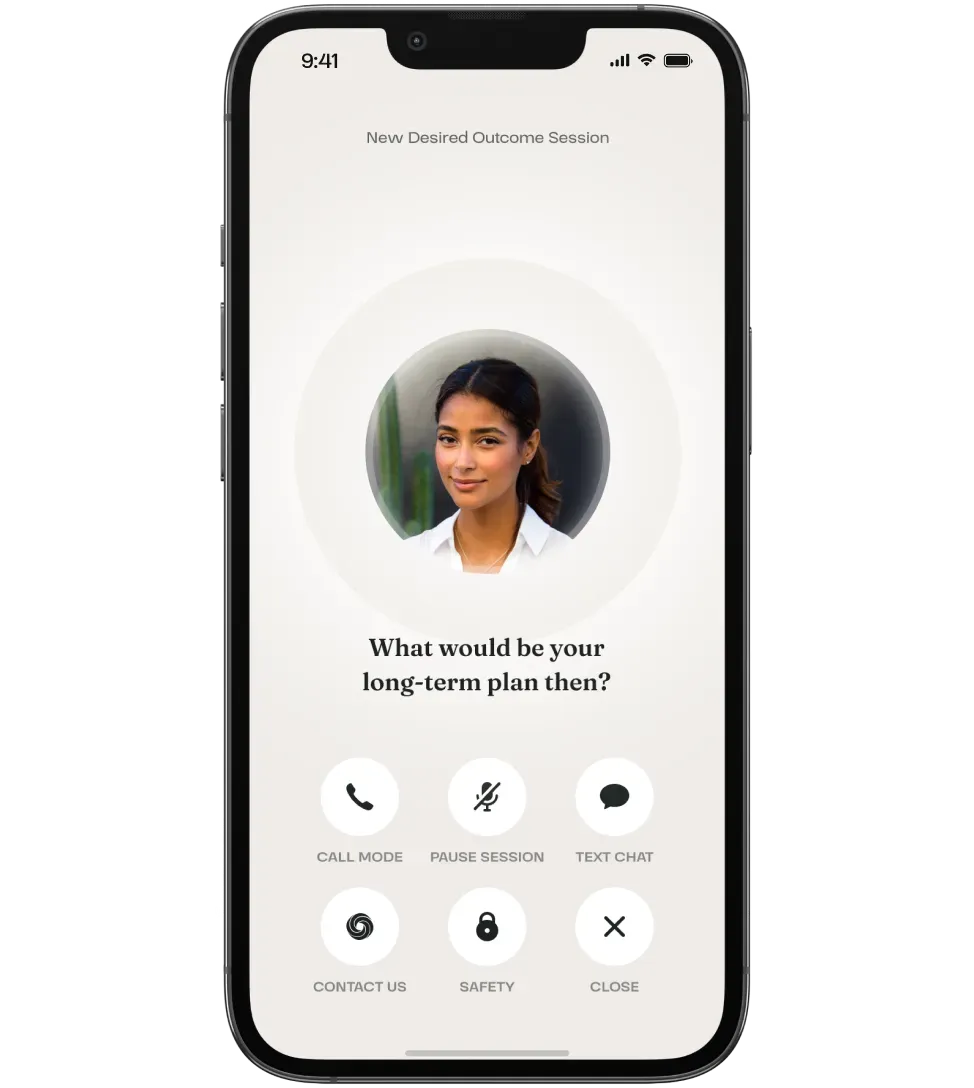
Flow cannot be forced. It emerges when the mind and environment support focused engagement. Small, consistent changes make flow more accessible over time. Yuna works as a mental health coach that supports these conditions. It helps users build awareness of attention, stress, and emotional signals during the day. This awareness reduces friction when starting focused work.
Through guided reflection, short mindfulness practices, and emotional regulation support, Yuna helps prepare the mind for flow. It does not replace therapy and acts like your mental health companion, by supporting everyday mental clarity and focus. For people seeking sustainable concentration without pressure, Yuna offers a practical path into flow-friendly habits.

FAQs
Is being in the zone the same as flow?
Yes. Being in the zone is the everyday way people describe a flow state. Both involve deep focus, reduced distraction, and full engagement with a task. Psychology uses the term flow. Daily language uses in the zone.
Can meditation help with flow state?
Yes. Meditation strengthens attention and awareness. These skills make it easier to enter flow when working or creating. Meditation does not cause flow directly. It improves the mental conditions that support it.
How long does a flow state last?
A flow state can last from several minutes to a few hours. It depends on the task, energy level, and environment. Flow often ends naturally when attention fades or fatigue appears.
Can flow happen at work?
Yes. Flow frequently occurs at work when tasks are meaningful and uninterrupted. Clear goals, single-task focus, and reduced distractions increase the likelihood of flow during professional tasks.
How do you trigger a flow state?
Flow is triggered by conditions, not force. Choose a meaningful task, match difficulty to skill, remove distractions, and focus on the process. When these align, flow often follows.
Can people with ADHD get into flow state?
Yes. Many people with ADHD experience flow, sometimes very strongly. Structure, clear goals, and reduced distractions help support flow without tipping into unhealthy hyperfocus.
What are the 4 stages of the flow state?
The stages are struggle, release, flow, and recovery. Initial effort gives way to focus. Flow follows. Recovery allows the mind to reset afterward. Each stage supports the next.
What blocks flow state?
Distractions, multitasking, unclear goals, and emotional stress block flow. Tasks that are too easy or too difficult also prevent flow from forming.
What is the golden rule to flow?
The golden rule is balance. Challenge should slightly stretch your skills without overwhelming you. This balance stabilizes attention and supports immersion.
How to enter a flow state on command?
Flow cannot be commanded, but it can be invited. Create consistent conditions that support focus. Over time, the mind learns to settle into flow more easily.
What are the triggers of flow state?
Common triggers include clear goals, immediate feedback, focused attention, meaningful tasks, and manageable challenge levels. These triggers work together, not alone.
Which activity is most likely to trigger the flow state?
Activities that are challenging, engaging, and skill-based trigger flow most often. This includes creative work, problem solving, learning, sports, and focused professional tasks.