


HR leaders today face intense pressure to prevent burnout, reduce attrition, and support managers handling emotionally overwhelmed teams. Research shows nearly 54 percent of employees cite work as their primary stress source, making mental health a strategic priority. Burnout now contributes to up to half of annual workforce turnover across multiple sectors.
AI offers scalable mental health support, but unchecked automation risks distrust and stigma. Studies warn that technology without human oversight may worsen psychological safety. HR with the help of AI can develop emotionally resilient teams.
This article helps HR leaders understand how AI and humans must coexist to future-proof workplace wellness strategies. The goal is clarity, balance, and sustainable mental health outcomes.
The Alarming Rise of Workplace Mental Health Challenges
Workplace mental health issues have moved from isolated incidents to widespread organizational risks. HR leaders now face challenges that affect performance, retention, and culture simultaneously.
The Cost and Scale of the Crisis
Mental ill-health now costs employers £33–£42 billion annually in the UK alone. Data shows 2,440 workers per 100,000 experience work-related stress or anxiety. Each year, over 17.9 million working days are lost due to mental health conditions.
Post-pandemic work intensified emotional strain through remote isolation, blurred boundaries, and constant digital demands. Global research confirms rising depression and anxiety rates among working adults. These trends signal a growing gap between employee needs and organizational support capacity.
Why Traditional EAPs and Manager-Led Support Are No Longer Enough
Employee Assistance Programs often suffer from low awareness, long wait times, and persistent stigma. Limited personalization and inconsistent managerial capability are evident as major barriers. Hybrid and distributed teams further reduce access to timely care.
Manager-led mental health support may vary in quality, creating uneven employee experiences. Traditional models struggle to scale emotional care effectively. That’s where AI-Powered mental health support comes into the picture.
How AI Is Transforming Workplace Mental Health Interventions
While well-intentioned, many existing support systems struggle to meet today’s scale and complexity. Gaps in access, consistency, and personalization limit their effectiveness.
AI-Powered Diagnosis, Monitoring, and Early Detection
AI enables continuous monitoring of emotional signals before burnout becomes visible. AI can detect mental health risks earlier than self-reported surveys. Early detection of mental health issues reduces reliance on reactive interventions and delayed care.
AI-driven monitoring accelerates intervention timelines and improves long-term outcomes. This shift allows HR teams to move from crisis response to prevention-first strategies.
Current Applications Inside the Workplace
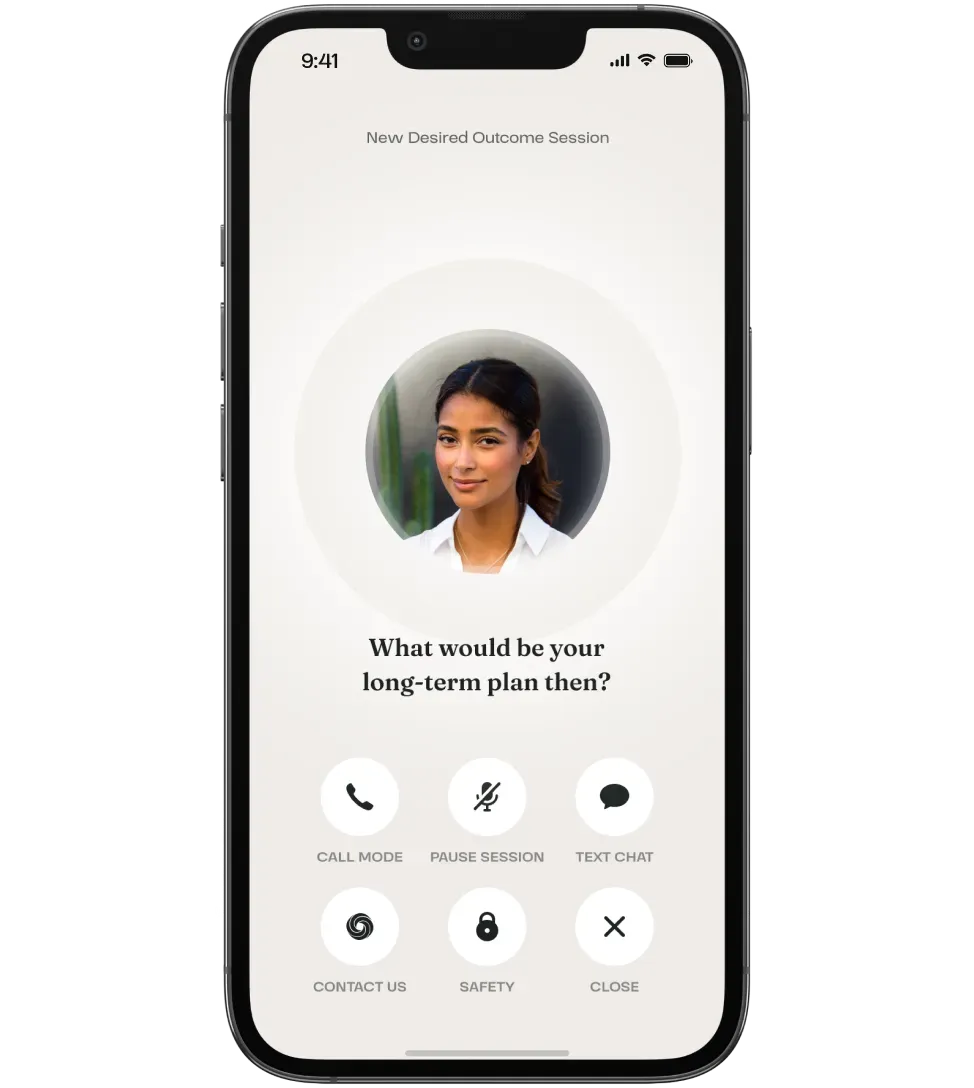
Modern workplaces use emotionally intelligent chatbots for psychological support and daily check-ins. Sentiment analytics now analyze feedback platforms to identify rising stress patterns. Personalized mental health AI coaching elevates employee well-being in an innovative way.
AI also flags workload spikes and psychosocial risks before disengagement appears. Studies on human-centric AI in employee well-being show improved engagement when interventions feel timely.
Proof That AI Interventions Work
Evidence confirms tailored digital interventions improve sleep quality, stress levels, and presenteeism. Research published in PLOS Digital Health shows significant anxiety reduction in high-risk employees. AI-enabled programs outperform generic wellness initiatives for stressed populations.
Why AI Cannot Replace Humans: The Case for Human-Centered AI
Despite AI’s capabilities, mental health care cannot be automated entirely. Human judgment, empathy, and ethical oversight remain irreplaceable.
Human-Centered Design Ensures Trust, Safety, and Adoption
AI must enhance human capability, not replace emotional judgment. Human-centered AI principles like consent, transparency, and autonomy must be mandatory. Without these, adoption declines rapidly.
Studies show employees trust systems that respect emotional boundaries and explain decisions clearly. Human-centered design builds psychological safety, which remains essential for mental health support.
Co-Design: Building Mental Health AI With Employees, Not For Them
Co-design methods include workshops, diary studies, experience mapping, and co-creation labs. Research shows AI therapy increases relevance and long-term engagement, preventing employee burnouts. These approaches enable dual personal and work-related support.
Ethics and Guardrails HR Leaders Must Prioritize
HR leaders must prioritize data privacy, bias mitigation, and psychological safety. AI models must display transparency to maintain trust. Governance frameworks must exist before enterprise rollout.
Ethical guardrails protect employees while preserving insight value. Responsible AI strengthens credibility and reduces legal and cultural risks.
The Future of Workplace Wellness: Human + AI Collaboration
The future does not belong to AI alone or humans alone. Sustainable wellness strategies will blend both strengths thoughtfully.
Human Skills That AI Cannot Replace
Empathy, emotional nuance, and ethical judgment remain uniquely human capabilities. AI still has to develop cultural sensitivity and contextual understanding. These skills must anchor every mental health strategy.
HR leadership remains responsible for trust, conflict resolution, and moral accountability. Technology must support, not override, these roles.
How AI Enhances HR’s Capabilities
AI enhances scale through 24/7 support and multilingual access. It enables personalization through stress-pattern-based recommendations. Predictive analytics help leaders identify risks before burnout peaks.
Hybrid care models allow AI to triage while humans deliver deep therapeutic care.
Building a Future-Ready Workplace Wellness Strategy
Preparing for the future requires intentional design today. HR leaders must align technology, people, and purpose.
What HR Leaders Must Do Next
HR leaders must build responsible AI policies aligned with organizational values. Employees should participate early through feedback and co-design cycles. Managers need training to interpret AI insights compassionately.
Wellness success should measure engagement, retention, and well-being scores, not just usage.
How Yuna Is Shaping the Future of Human–AI Workplace Wellness
Mental health at work requires a hybrid ecosystem where AI delivers scale and personalization, while humans ensure empathy and ethical care. Yuna bridges this gap by combining intelligent insights with human-centered design.
Yuna helps organizations shift from reactive crisis response to proactive emotional support. Through its organizational platform, HR teams identify early stress signals and guide timely interventions. Individuals benefit from private reflection and continuous support through Yuna’s individual experience.
Yuna represents the future of workplace wellness: AI to guide and personalize, humans to support and empathize. Together, they create environments where employees do more than cope. They flourish.
FAQs
1. How can AI help detect workplace stress before burnout occurs?
AI helps detect early stress by analyzing behavior patterns, workload changes, and emotional signals over time. These systems identify subtle shifts in communication, productivity, and engagement that humans often miss.
By spotting risk indicators early, HR teams can intervene before stress escalates into burnout. This proactive approach reduces reactive firefighting and supports healthier, more sustainable workforce performance.
2. Can AI replace human support in workplace mental health programs?
AI cannot replace human support in mental health programs, especially where empathy and ethical judgment are required. Instead, AI works best as an enabler that handles scale, monitoring, and early detection.
Human professionals remain essential for deep conversations, conflict resolution, and emotional nuance. Together, AI and humans create a balanced, trustworthy mental health ecosystem.
3. What are the benefits of combining AI tools with human counselors at work?
Combining AI with human counselors improves reach, speed, and care quality simultaneously. AI provides continuous monitoring and early alerts, while humans deliver personalized emotional support.
This hybrid model reduces wait times and ensures timely intervention. It also allows counselors to focus on complex cases, improving outcomes for employees experiencing higher levels of distress.
4. How do predictive analytics improve employee well-being outcomes?
Predictive analytics transforms historical and real-time data into early risk insights. These insights help organizations anticipate burnout instead of reacting after performance drops. By identifying patterns linked to stress, HR teams can adjust workloads, offer support, and prevent disengagement.
This results in better retention, higher engagement, and improved overall well-being across teams.
5. What ethical concerns should HR leaders consider when using AI for mental health?
HR leaders must prioritize privacy, consent, and psychological safety when deploying AI tools. Employees should clearly understand how data is collected and used. AI systems must avoid bias and provide explainable insights.
Strong governance frameworks protect trust and adoption. Ethical AI ensures mental health tools support employees without feeling invasive or punitive.