


Mental health challenges are growing rapidly across societies and workplaces. According to the World Health Organization, over 970 million people globally live with a mental disorder. Workplace stress, anxiety, and loneliness have increased by 25% since 2020, placing pressure on individuals and employers alike.
In response, AI-powered mental health chatbots have gained popularity. Several AI tools and other generic AI companions now offer round-the-clock emotional support. These chatbots lower access barriers and normalize mental health conversations. However, their capabilities remain limited without professional oversight and ethical safeguards.
This article explores what generic AI chatbots can and cannot do. It also explains why platforms like Yuna represent a more responsible evolution of AI in the mental health space.
What Are Generic AI Chatbots for Mental Health?
Before evaluating impact, HR leaders must understand what defines a generic AI mental health chatbot.
How They Work
Generic AI chatbots are conversational tools powered by natural language processing models. They simulate therapeutic dialogue using predefined psychological patterns. These systems detect emotional cues, suggest coping prompts, and recommend mindfulness exercises. However, they rely on generalized training data rather than personal mental health histories.
This limits long-term personalization and contextual understanding.
Common Use Cases
Generic chatbots typically support journaling, mood tracking, and motivational conversations. Many offer basic CBT-style exercises and breathing techniques. Some redirect users to crisis helplines when distress signals appear. APA guidance on AI chatbots report that these tools work best as entry-level support.
What Generic AI Chatbots Can Do
Despite limitations, generic AI chatbots provide real value when used appropriately.
1. Provide Accessible and Immediate Support
AI chatbots offer support anytime, anywhere, without appointments or waiting lists. This removes cost, time, and stigma barriers. A study found AI chatbots reduced anxiety and depression symptoms by around 20.42% to 21.15%.
This accessibility benefits users hesitant to seek traditional therapy.
2. Encourage Openness and Reduce Stigma
Many users find AI interactions non-judgmental and emotionally safe. Anonymity encourages people to express thoughts they might otherwise suppress. Reddit users report that AI chatbots helped them speak freely without fear of bias.
Nature Digital Medicine confirms conversational AI can increase emotional openness, especially among younger adults and stressed professionals.
3. Help with Early Detection and Self-Awareness
Generic AI bots can track recurring stress language and negative emotional tone, enabling early mental health diagnosis. Daily check-ins and mood logs help users notice emotional patterns early. NIH scoping review highlights AI’s role in promoting preventive mental health awareness.
These nudges encourage earlier self-care and help normalize mental health reflection.
What Generic AI Chatbots Can’t Do
Understanding limitations is critical for safe and effective adoption.
1. Replace Professional Therapy
AI can mimic empathy but cannot diagnose or treat clinical mental health conditions. It lacks deep contextual memory and trauma-sensitive judgment. American Psychological Association clearly states that chatbots should never replace licensed therapists.
They are supportive tools, not clinical substitutes.
2. Handle Crises or Complex Emotions
Generic chatbots struggle with suicidal ideation or severe distress. Some users report misinterpretation of crisis language. A Brown University ethics review documented risks from unregulated chatbot responses.
Many generic models lack escalation protocols and human intervention pathways. That’s where the need for advanced AI mental health apps arose.
3. Ensure Privacy and Ethical Safety
Most generic chatbots store conversations on third-party servers. Some reuse data for model training without clear consent. ResearchGate security study highlights transparency gaps in data handling.
This uncertainty discourages users from sharing deeply personal information.
The Future of AI Therapy: Hybrid and Human-Centric Models
The future of AI therapy lies in hybrid approaches. These models combine AI efficiency with human empathy and accountability. Emerging Explainable AI frameworks help users understand how recommendations are generated.
Research from APA future care studies emphasizes collaboration with licensed therapists. Product teams must prioritize trust, consent, and ethical design. MDPI digital health research confirms that hybrid models outperform standalone AI tools.
Yuna’s Role: Setting a New Standard in AI Coaching
As the limitations of generic AI chatbots become clearer, the need for more responsible and human-aware solutions grows. This is where platforms designed with ethics, safety, and real emotional depth begin to matter.
How Yuna Bridges the Gaps Left by Generic AI Chatbots
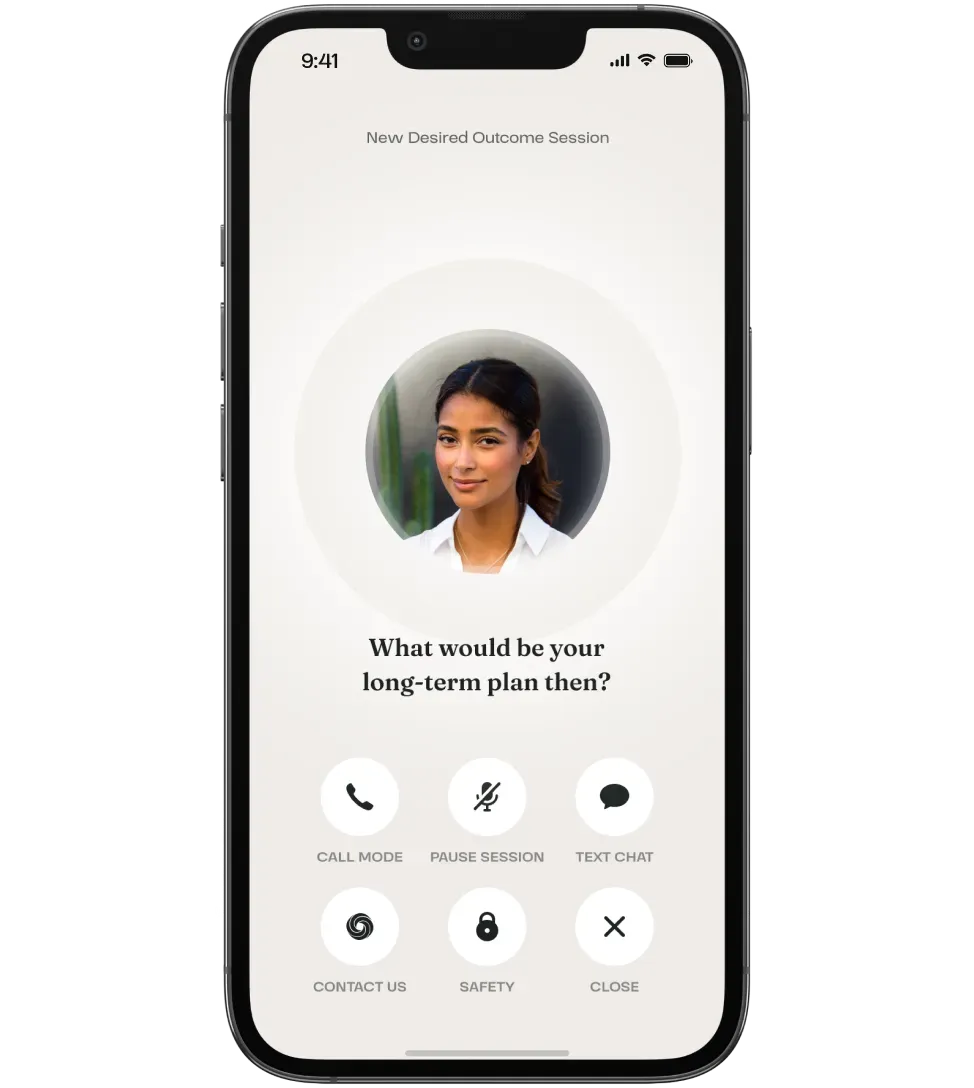
Yuna represents a next-generation mental health coaching platform built for responsibility and depth. Unlike generic chatbots, Yuna uses clinically informed psychological frameworks. Its AI is continuously refined with mental health experts’ input.
You must note that Yuna is not an AI therapist but a mental health coach. It follows a human-in-the-loop approach. When complex emotional cues appear, escalation to human professionals becomes possible. This ensures safety without removing accessibility.
Why Users and Product Teams Should Choose Yuna
For individuals, Yuna offers private, empathetic conversations designed to feel authentic and supportive. Personalized recommendations evolve through mood signals and interaction history.
For HR and product teams, Yuna integrates into wellness systems without invading privacy. Aggregated insights support workforce well-being decisions responsibly. Its architecture aligns with GDPR and APA ethical standards.
As an AI-powered mental health companion, Yuna represents a future where empathy meets intelligence. It transforms mental health from a private struggle into a supported experience. Guided by ethical, human-centered AI, Yuna helps individuals and organizations care better, not just faster. For HR leaders, Yuna is not a chatbot. It is a trusted partner for responsible mental health innovation.
FAQs
1. Are AI chatbots available today to support mental health?
Yes, AI chatbots are increasingly used for mental health support. Many offer basic emotional check-ins and coping exercises. Yuna goes further by acting as a mental health coach, not a generic chatbot. It provides empathetic, guided conversations, prioritizes privacy, and supports users consistently while complementing human-led care when needed.
2. In what ways can artificial intelligence support mental health care?
AI supports mental health by enabling early self-awareness, emotional reflection, and scalable access to support. Platforms like Yuna use AI to personalize coping strategies, track mood patterns, and encourage healthier habits over time. When designed responsibly, AI helps normalize mental health conversations without replacing professional therapy or human judgment.
3. Can conversational AI genuinely help someone manage mental well-being?
Conversational AI can help people reflect on emotions, reduce stigma, and seek support earlier. Yuna enhances this impact by offering structured, empathetic guidance rather than generic responses. Its coaching-based approach supports daily mental fitness, helping users feel heard and supported while maintaining clear boundaries around clinical care.
4. What approach works best for improving mental health long term?
There is no single solution that works for everyone. The most effective approach combines self-awareness, professional support, and consistent emotional care. Yuna supports this balance by complementing therapy and acting as a reliable employee assistance program. Its role is to provide ongoing guidance and early support, strengthening long-term mental resilience rather than replacing treatment.
5. What early signs suggest someone may be struggling mentally?
Common signs include persistent fatigue, emotional withdrawal, irritability, reduced motivation, and changes in sleep or focus. Yuna helps users notice these patterns early through regular emotional check-ins and reflective prompts. Early awareness allows individuals and organizations to act before stress develops into burnout or deeper mental health challenges.