Amazon put $16.7 billion behind its drivers. The mental load is still on the DSP.
Amazon's DSP investments raised pay, rebuilt routing, and added safety tools. What DSP owners still carry alone is the mental load of the route, and it shows up on the scorecard every week.

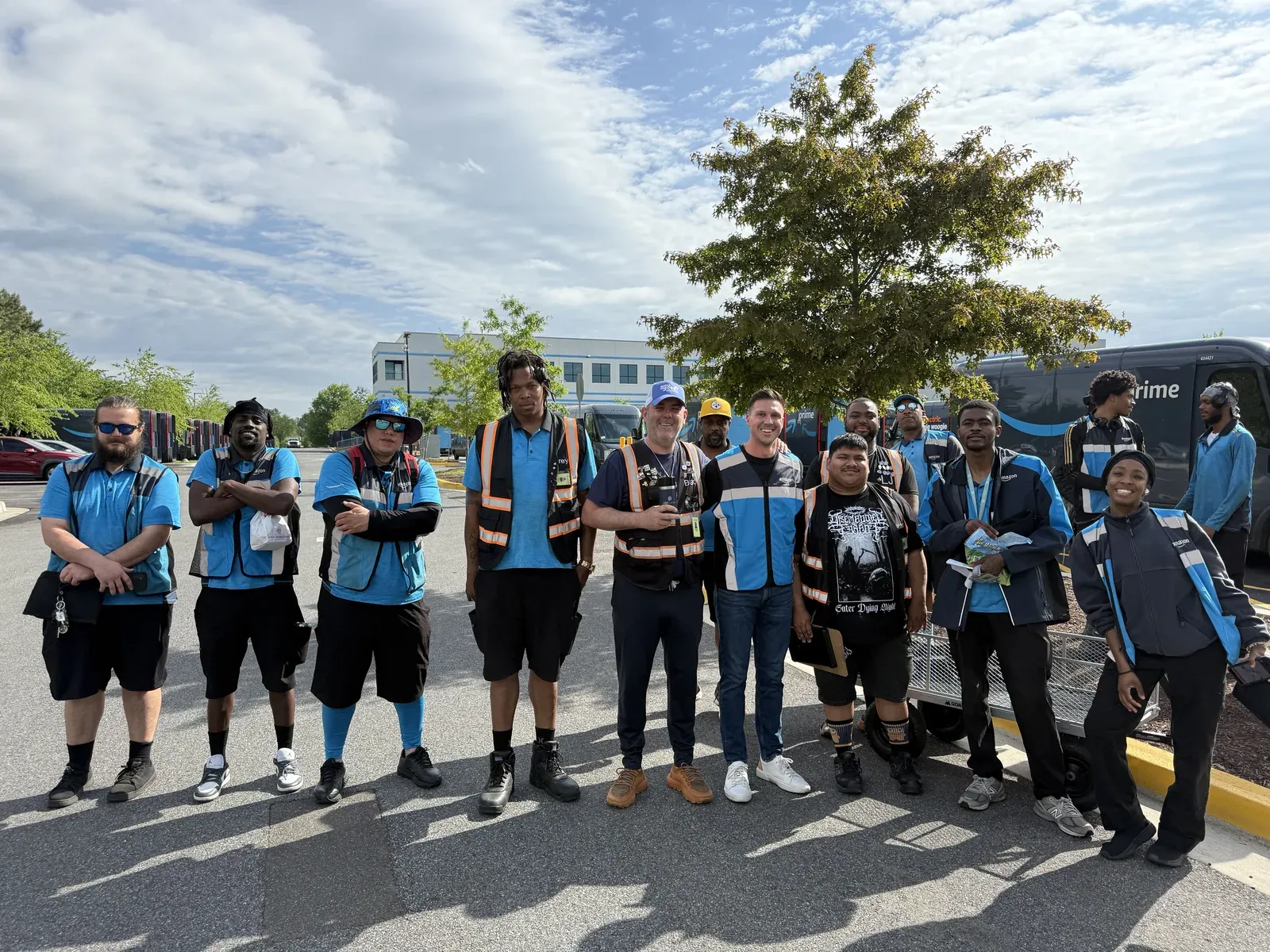
Every September, Amazon gathers its Delivery Service Partners at Ignite and tells them what it is putting behind the program. The numbers have gotten large.
In September 2024 it was $2.1 billion: rate card increases, bonuses, safety programs, and earned-wage access so drivers could get paid before payday. In September 2025 it was another $1.9 billion, taking the total to $16.7 billion since the program began in 2018. Pay moved toward a national average of nearly $23 an hour. Routing got smarter about heat and walking distance. Speeding and distracted-driving events fell by about a third.
That is real money, aimed at real problems. It is also aimed almost entirely at the parts of the job you can see from outside the van.
What the scorecard actually measures
Ask a DSP owner what they check first on Monday morning and it is the weekly scorecard. Fantastic Plus is the top tier, and it is a fleet-level score. You do not get there with three great drivers. You get there when nearly the whole fleet hits its targets, week after week.
The bonus is tied to the tier. So is route allocation. So, over time, is the contract. The gap between Fantastic and Fantastic Plus for a fleet of a hundred people is a meaningful line on the P&L, and it is decided by consistency.
Consistency is a people problem. A driver who did not sleep, who is dreading a conversation at home, who is quietly certain they are not good enough, is a driver who is late, distracted, or gone. Turnover in this industry is not a mystery. It is what the mental load looks like on a spreadsheet.
What drivers actually talk about
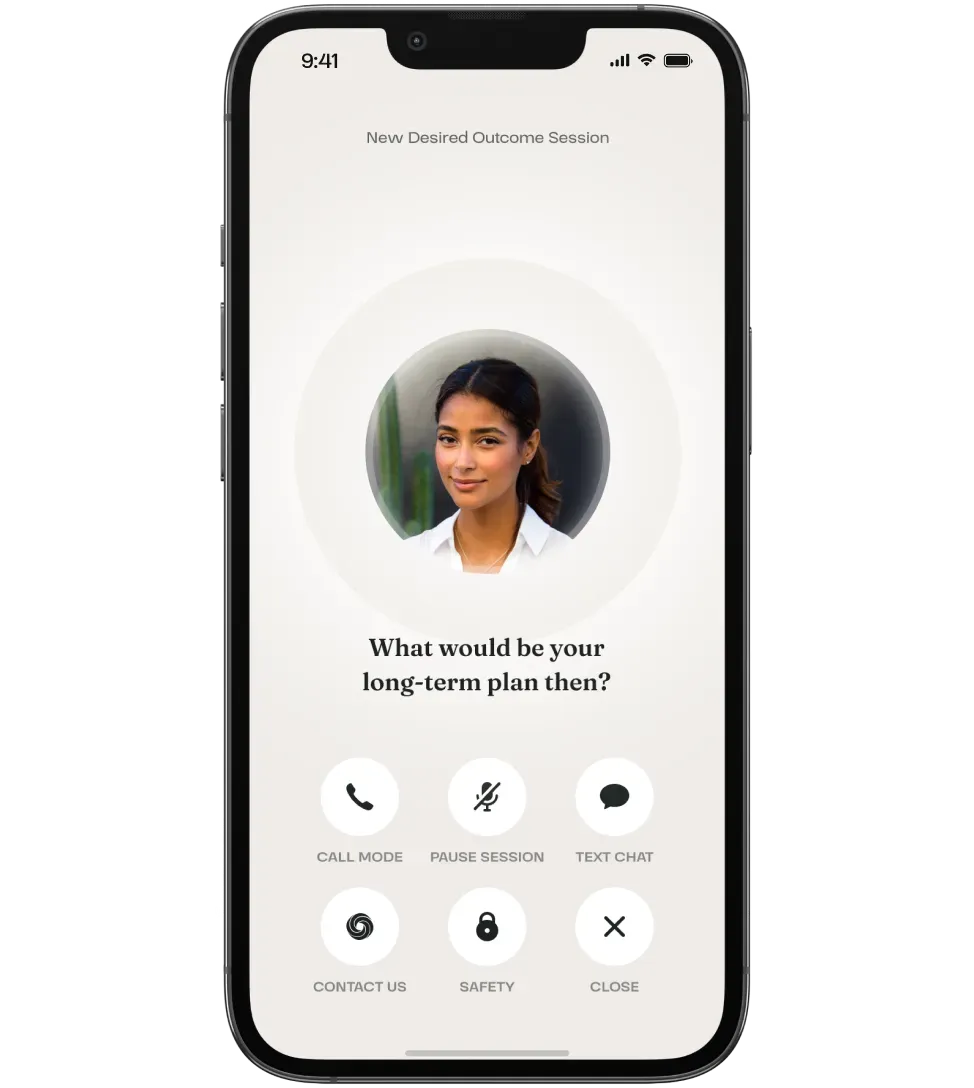
Yuna is a private, AI-powered well-being coach. Drivers open the app and talk, by voice or text, and it responds in about two seconds. In 2025 we launched it at our first Amazon DSP, a fleet that has held Fantastic Plus. We expected the conversations to be about work.
They mostly were not.
Anxiety is first. Relationships are second. Personal growth is third. Work stress is fourth, and if you add up everything work-related, from career questions to burnout, it is fewer than one in five conversations. The rest is the life a driver carries into the van every morning: the relationship, the money, the family, the sense of self. None of it clocks out when the route ends.
The change drivers report is measurable. Over the last 365 days, drivers across our DSP customers rated their stress 14 percent lower after talking to Yuna, and their mood a little over 3 percent higher. Those are modest-sounding numbers, and we prefer them to dramatic ones. They are self-reported, they cover a full year, and they come from the same people week after week.
−14.39%
Change in stress
Self-reported by drivers, last 365 days
+3.29%
Change in mood
Self-reported by drivers, last 365 days
Aggregate dashboard data from Yuna's DSP customers, September 2026. Individual responses are never visible to the DSP.
When they use it says as much as what they say. Usage climbs before dawn, peaks around load-out, dips while the vans are out, and comes back during the afternoon break. There is a second, smaller wave after midnight, which is exactly when the mental load is loudest and every other resource is closed.
None of that data is individual. Yuna reports aggregate, de-identified trends to the DSP and nothing else. That privacy is a large part of why drivers were willing to try it at all.
Why the old benefits never landed
Most DSPs already have something on paper. An EAP line in the handbook, a hotline number, a discount on an app. Drivers do not use them, and the reasons are practical.
There is nothing to schedule on a route that changes every week. There is no privacy in asking dispatch how to reach a counselor. And there is no version of a 45-minute appointment that fits between a 5am load-out and a 200-package day.
Yuna removes all three. It fits in a break. It is unlimited, so no one is rationing sessions. And no one at the DSP finds out who used it.
Where it fits with Amazon’s program
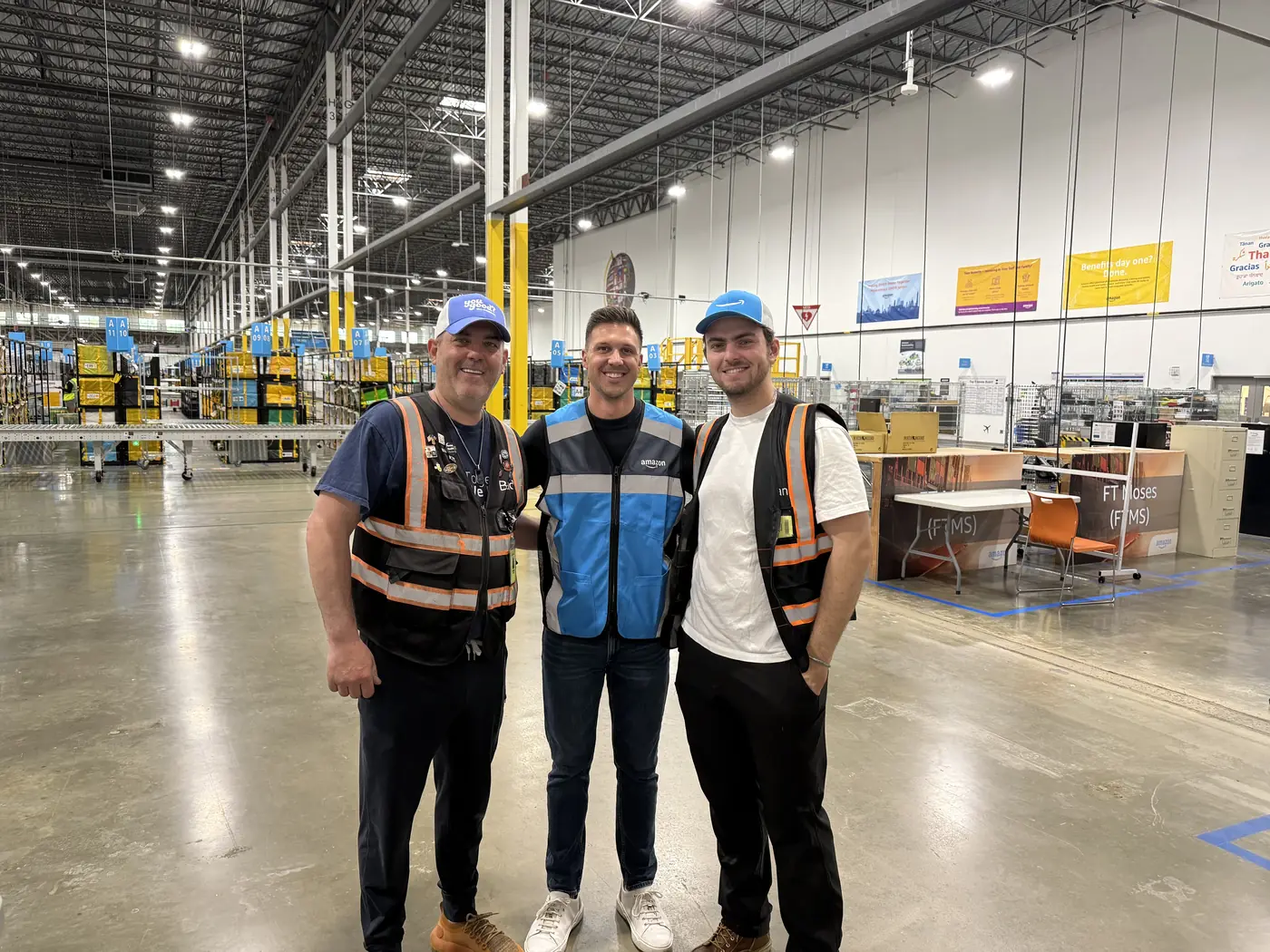
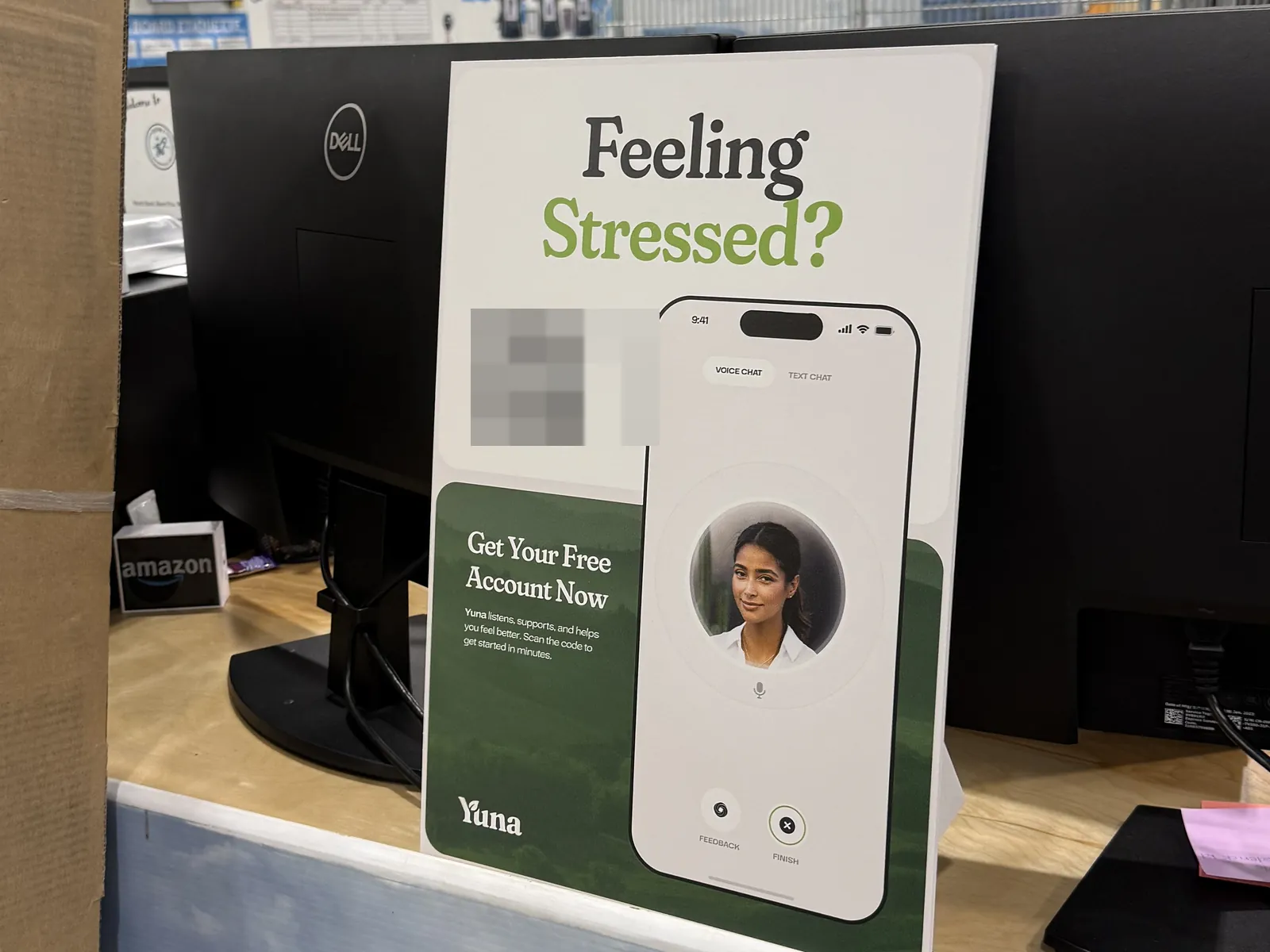
Yuna is available to DSPs through Amazon’s DSP Value Added Services program, alongside the other services Amazon has approved for its delivery partners. Add it there, and drivers activate with a code in the app.
We will be at Ignite Live in Las Vegas from September 14 to 16, at booth 337 in Last Mile Land. If you run a DSP, come by. We will run your numbers with you.
If you would rather do that now, the estimate is on our DSP page. Three questions: how many people, which region, and where you landed on last week’s scorecard. It shows what holding Fantastic Plus would be worth to your fleet each month, net of what Yuna costs, and every assumption is editable.
Amazon has done its part for the parts of the job it can see. The part it cannot see is the part we built Yuna for.
Sources. Amazon, Amazon is investing an additional $2.1 billion in the Delivery Service Partner program (September 2024). Amazon, Amazon invests $1.9B in the Delivery Service Partner program (September 2025). Amazon, Everything you need to know about Amazon’s Delivery Service Partner program. Amazon, Amazon shares latest investments in Delivery Service Partners from Ignite Live (September 2023). Payactiv, Earned Wage Access for Amazon DSPs. Tullis Consulting, Why people are the secret to your Fantastic Plus score (May 2026). Engagement and outcome figures are aggregate, de-identified dashboard data from Yuna’s DSP customers, last 365 days as of September 2026.
A Safe Space For
Self Discovery
Enhance your well-being with Yuna: your private, always-available mental health companion.