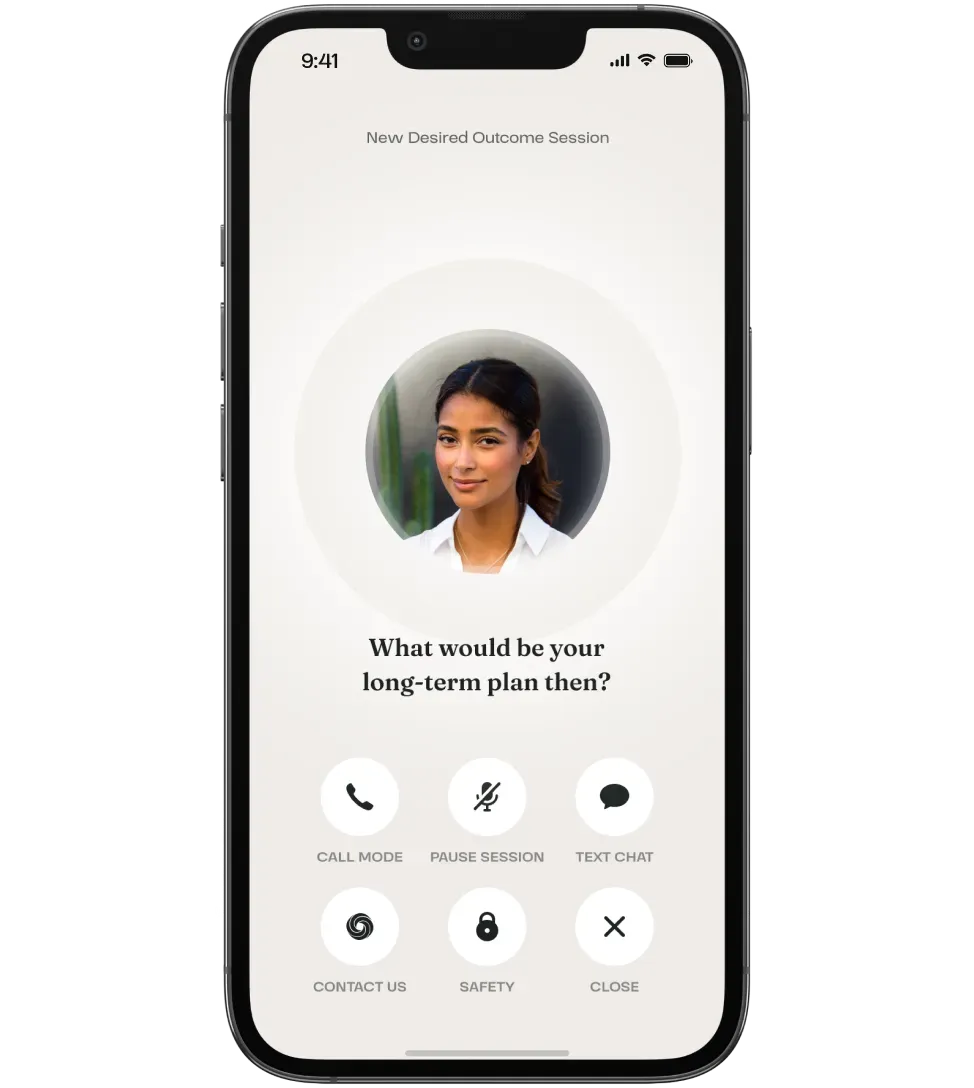
What happens after one conversation with Yuna
New peer-reviewed research looked at how people rated their stress and mood before and after talking with Yuna. Here is what changed, and what the study can and can't tell us yet.



It’s 9:40 on a Tuesday night. Your deadline just moved up, your inbox is still filling, and your chest feels tight. You could keep scrolling, or you could talk it through.
Yuna was built for nights like this. Now there’s published research on how people felt before and after those conversations.
A look at 5,549 real people
Researchers at Fit Minded, Inc., the research team Yuna works with, looked at app data from 5,549 adults in more than 110 countries between December 2024 and January 2026. An academic at Arizona State University with no financial ties to Yuna reviewed the manuscript. The study was published in August 2026 in JMIR mHealth and uHealth, a peer-reviewed journal.
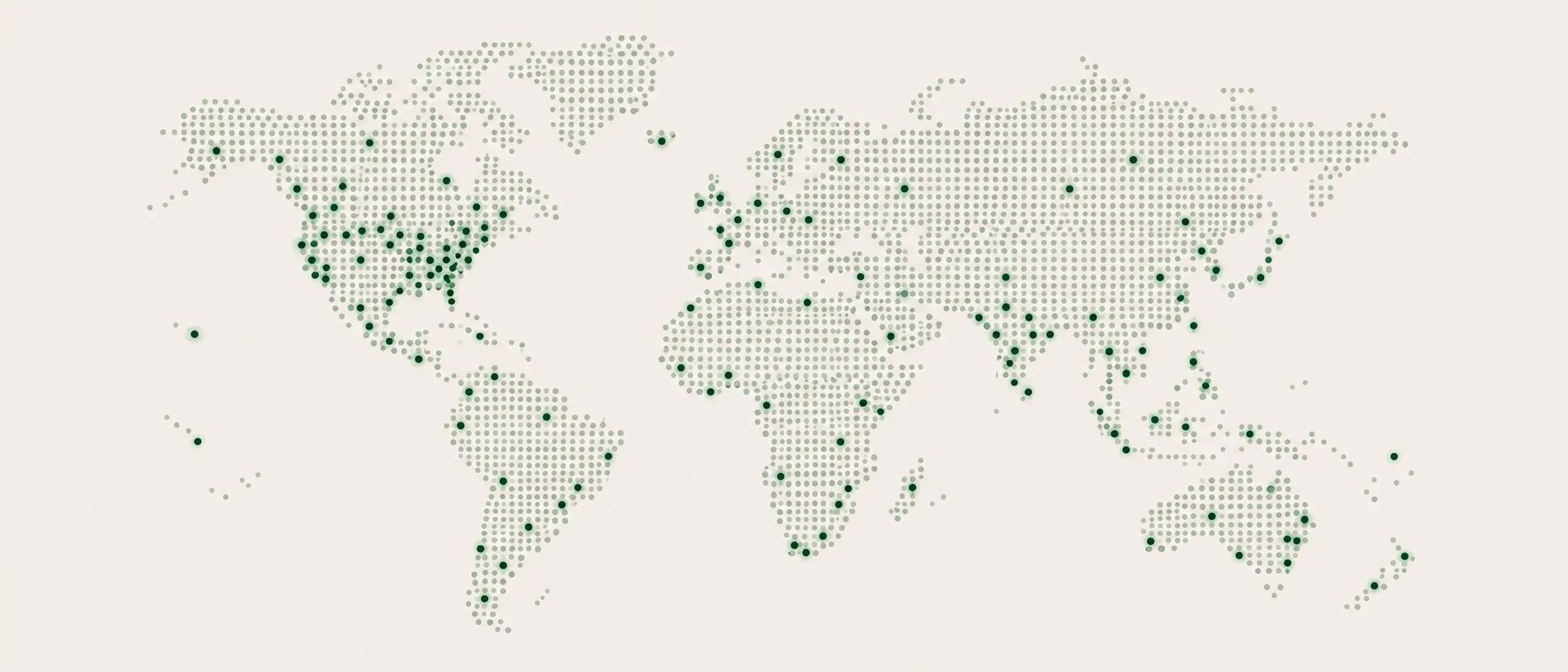
Here’s how the numbers were collected. At the start of every conversation, people move two sliders to show how stressed they feel and how their mood is. At the end, they can move them again if they want to. 1,570 people did both across 3,931 sessions, and that’s where the before-and-after results come from.
Adults in the studyEveryone who used Yuna during the study window
People who rated how they felt before and afterAcross 3,931 conversations. This is where the before-and-after results come from.
McAlister et al., JMIR mHealth and uHealth 2026;14:e94070.
Feeling better in about 20 minutes
The average conversation ran about 20 minutes. By the end, people rated their stress lower and their mood better.
On a scale from 0 to 1, average stress ratings went from 0.54 to 0.45, and mood ratings improved by the same amount. In research terms, the effect sizes were d = 0.56 for stress and d = 0.55 for mood.
The pattern held when the researchers looked only at each person’s first session. It also held when they looked only at people who came back.
Coming back a little calmer each time
1,838 people used Yuna more than once. Over time, they tended to start new conversations with slightly lower stress and slightly better mood. The change was very small. These people chose to return, and we don’t know why, so we can’t say what caused it.
The researchers also found two other patterns:
- People who started out more stressed or lower in mood showed bigger changes in their ratings. Part of that is likely because feelings at a low point tend to ease on their own.
- Longer conversations were linked to bigger improvements in both stress and mood.
When Safety Comes First
Yuna watches for signs that someone might be at risk. If it sees them, it stops regular coaching and points the person to crisis support, like the 988 Suicide & Crisis Lifeline.
A conversation is underway
Yuna coaches as usual, and keeps watching for signs that someone might be at risk.
Risk signs appear
Language that suggests someone may be in danger activates Yuna's safety guardrails.
Safety comes first
Regular coaching stops, and the person is pointed to crisis support like the 988 Suicide & Crisis Lifeline.
More crisis lines by country are listed at yuna.io/crisis-resources.
We wanted to know whether stepping in like that made the conversation less helpful. In this study, sessions where the safety guardrails activated weren’t linked to significantly smaller improvements. It’s the result we care about most, so we’ll keep studying it.
What this study tells us, and what comes next
This is real-world data, not a clinical trial. There was no comparison group, so it shows that people felt better after talking with Yuna, not yet proof that Yuna alone made the difference. People often reach out when they feel worst, and quick in-the-moment sliders aren’t the same as clinical questionnaires.
We think that honesty matters. It’s why Yuna’s clinical team is now running a randomized controlled trial with validated measures. And it’s why we’re clear about what Yuna is: not a replacement for therapy, but a safe, privacy-first space with guardrails to protect you.
Support, the moment you need it
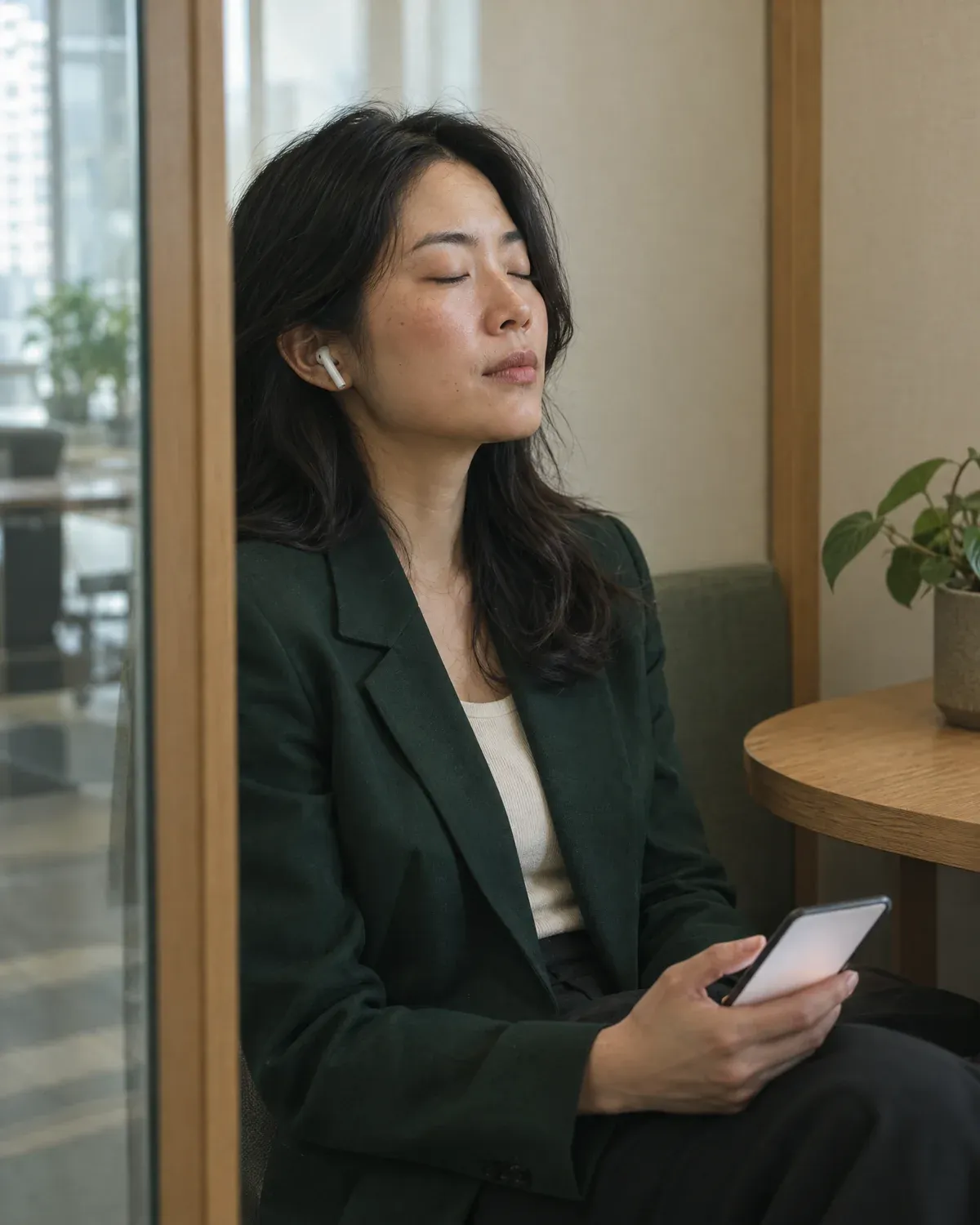
Stress doesn’t wait for office hours. Yuna is there at 9:40 on a Tuesday night, before the hard meeting, and on a slow Sunday afternoon. Always on. Always private. Always in your pocket.

Tuesday, 9:40 pm
Before the hard meeting

A slow Sunday afternoon
If your employer offers Yuna, open the app and tap Chat Now. Try your first session.
If you’re in crisis or thinking about harming yourself, call or text 988 in the US, or contact your local emergency services. More crisis lines by country are at yuna.io/crisis-resources.
Reference
McAlister K, Jewell C, Stecher C, Huberty J. Immediate and sustained improvements in mood and stress associated with Yuna, an AI-powered digital mental health intervention: real-world retrospective study. JMIR mHealth and uHealth. 2026 Aug 25;14:e94070. doi:10.2196/94070
A Safe Space For
Self Discovery
Enhance your well-being with Yuna: your private, always-available mental health companion.