


TL;DR
Platitudes are overused phrases that sound comforting but often lack real meaning. While they come from good intentions, they can feel dismissive or impersonal. Replacing them with thoughtful, specific, and empathetic responses leads to better communication and stronger emotional support.
We all use them without thinking. Phrases like “everything happens for a reason” or “this too shall pass” slip into conversations when someone is struggling. These are called platitudes. They sound comforting, but they often miss the mark.
Platitudes are simple, familiar statements that have been repeated so often that they lose their depth. They are easy to say and widely understood, which is exactly why we rely on them. But when someone is going through something difficult, these phrases can feel distant instead of supportive.
This blog explains what platitudes are, why we use them, why they can be unhelpful, and what to say instead.
Try For Free
What Are Platitudes?
Platitudes are short, overused expressions that are meant to offer comfort, advice, or reassurance. They often carry a moral message or a positive spin on a situation.
Common examples include:
- “Everything happens for a reason”
- “Time heals all wounds”
- “It is what it is”
- “Good things come to those who wait”
- “There’s a silver lining”
At first glance, these phrases seem harmless. Some even sound wise. But because they are so generic, they often fail to reflect the reality of a person’s experience.
A platitude does not respond to the person in front of you. It responds to the situation in a broad and impersonal way.
Try For Free
Why Do We Use Platitudes?
Most people do not use platitudes to dismiss others. They use them because they care but do not know what to say.
When someone shares something painful, it can create discomfort. Silence feels awkward and emotions feel heavy. Platitudes fill that gap quickly.
They are:
- Easy to remember
- Socially accepted
- Emotionally safe for the speaker
In many cases, platitudes are more about managing our own discomfort than supporting the other person.
They allow us to say something instead of sitting with uncertainty.
Try For Free
Why Platitudes Can Be Unhelpful
While platitudes may feel comforting to the person saying them, they often have the opposite effect on the person receiving them.
1. They Can Feel Dismissive
When someone hears “it could be worse” or “just stay positive,” it can feel like their emotions are being minimized. Their experience is real, but the response does not acknowledge it.
2. They Lack Personal Connection
Platitudes are not tailored. They do not reflect the person’s situation, feelings, or needs. This can make the interaction feel distant or surface-level.
3. They Can Increase Emotional Distance
If someone repeatedly receives generic responses, they may stop opening up. Over time, this can lead to emotional withdrawal or isolation.
4. They Oversimplify Complex Emotions
Real struggles are rarely simple. Phrases like “everything will work out” ignore the uncertainty and difficulty of the situation.
Try For Free
Common Platitudes You Might Recognize
Platitudes show up in everyday conversations, often without us realizing it. Some examples include:
- “Everything happens for a reason”
- “This too shall pass”
- “Just think positive”
- “It is what it is”
- “Time heals everything”
- “There are plenty more fish in the sea”
- “Better late than never”
- “Money can’t buy happiness”
These phrases are not always wrong. They are just incomplete. They skip over the emotional reality of the moment.
Try For Free
What to Say Instead of Platitudes
You do not need perfect words to support someone. You need presence, honesty, and attention.
Here are better alternatives to platitudes:
1. Acknowledge the Feeling
Instead of trying to fix the situation, recognize what the person is going through.
- “That sounds really hard”
- “I’m sorry you’re dealing with this”
This validates their experience without dismissing it.
2. Be Specific
Replace vague offers with clear actions.
- Instead of “Let me know if you need anything”
- Say “Can I help you with something this week?”
Specificity shows intention.
3. Ask, Don’t Assume
Everyone experiences situations differently. Ask what they need instead of assuming.
- “Do you want advice or just someone to listen?”
This respects their preferences.
4. Offer Presence, Not Solutions
Sometimes the most helpful thing is simply being there.
- “I’m here for you”
- “You don’t have to go through this alone”
Support does not always require answers.
Try For Free
Are Platitudes Always Bad?
Not necessarily! Platitudes can have a place in casual conversation or light situations. They can also act as starting points when you truly do not know what to say.
The issue arises when they replace genuine connection.
A helpful way to think about it is this:
Platitudes are fine as fillers, but not as final responses.
If you use one, follow it up with something more personal or thoughtful.
Try For Free
A More Thoughtful Approach to Communication
Moving away from platitudes does not mean becoming perfect at communication. It means becoming more aware.
Before responding, ask yourself:
- Am I saying this to help them or to ease my own discomfort?
- Does this reflect their situation or just a general idea?
Small shifts in awareness can lead to more meaningful conversations.
Try For Free
Why This Matters for Mental Health
When someone is dealing with stress, anxiety, or emotional overwhelm, words matter more than we think.
Generic reassurance can make people feel unseen. On the other hand, simple validation can create a sense of safety.
You do not need to fix someone’s emotions. You just need to make space for them.
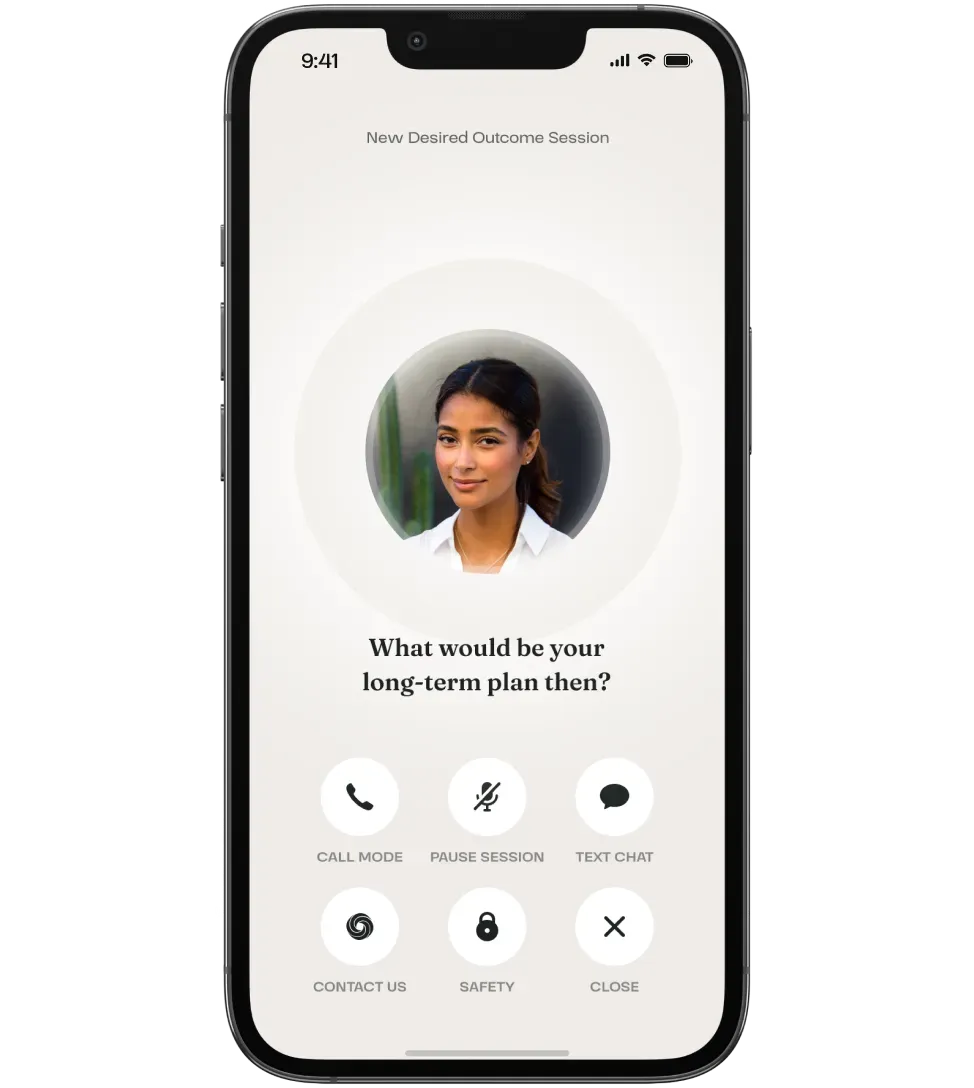
This is where structured mental health support can also help. Conversations around mental health are not always easy, and many people struggle to respond in the right way. Mental health coaching can guide individuals in understanding emotions, improving communication, and building healthier responses over time.
Mental health companion platforms like Yuna focus on this everyday layer of support. They help people move beyond automatic responses like platitudes and develop more thoughtful, emotionally aware ways of engaging with themselves and others.
Try Mental Health Coaching With Yuna For Free
Final Thoughts
Platitudes are easy but real empathy takes effort.
The goal is not to eliminate every cliché from your vocabulary. It is to pause, think, and respond with intention. When you replace automatic phrases with genuine understanding, your words carry more weight.
And often, that is what people need the most.
Not perfect advice.
Just real connection.
Try For Free