


Workplace stress, anxiety, and burnout continue to grow, and the stigma around discussing mental health still affects many employees. People often hesitate to speak about their struggles because they fear judgment or career consequences. Yet AI-driven tools are beginning to change this culture.
Recent workplace studies highlight how AI mental health platforms create safe environments for emotional expression, helping employees open up without fear. It ultimately helps in developing teams with high morale, stressing the importance of mental health at workplaces.
This shift positions mental health as a normal workplace topic rather than something hidden. Technology is now helping organizations build cultures where openness and emotional safety can grow.
Increased Accessibility and Reduced Stigma Through AI Therapy
As organizations explore AI-driven wellness tools, two major factors are driving higher employee adoption: the promise of privacy and the steady reduction of stigma. These elements become clearer when we look at how anonymity and cultural visibility reshape help-seeking behavior.
Anonymity and Privacy Encourage Openness
AI chatbots offer private spaces where employees can share concerns without feeling judged. Many people feel more comfortable opening up to AI because it offers complete anonymity.
A meta-analysis published in JMIR Mental Health found that users communicate more freely with AI when discussing emotional struggles, especially during early conversations. Additional research in Digital Medicine shows that conversational AI agents reduce mental health stigma and make users feel safer while expressing sensitive topics.
These insights confirm why AI mental health tools resonate strongly with modern workplaces.
Overcoming Stigma and Normalizing Help-Seeking
When companies include AI-based mental health apps in their wellness programs, it signals that emotional well-being is a genuine workplace priority. A recent corporate case study in the Journal of Multidisciplinary Practices and Education Research found that employees were more willing to engage in regular wellness check-ins when AI tools were easily accessible.
Similar insights shared by IGI Global show how organizations can normalize therapy-related conversations simply by offering such tools consistently. This visibility encourages employees to seek help earlier, breaking long-standing barriers around mental health.
Proactive Identification and Early Intervention
Beyond offering a safe space, AI systems actively help organizations shift from reactive support to preventive mental health care. This shift becomes powerful when we examine how AI transforms raw data into meaningful insights and timely conversations.
Data-Driven Insights and Personalized Support
AI systems can detect early signs of emotional distress by analyzing communication patterns, sentiment, and behavioral shifts. Studies published in IEEE journals show how AI-based mental health tools track mood and engagement to identify early burnout patterns and deliver timely interventions.
These systems also offer personalized self-care suggestions, making support more immediate and relevant. Product and wellness technology teams can use these insights to create preventive strategies that improve emotional well-being at scale.
Teams looking to understand coaching-driven models can explore Yuna’s breakdown of mental health coaching and how it differs from therapy.
Prompting Conversations and Providing Coping Strategies
AI chatbots encourage daily reflection through gentle prompts that help employees process emotions in real time. A workplace study by United We Care shows that chatbot-assisted first-aid responses can ease emotional distress and guide users toward healthier coping strategies.
Research from the Clinical International Journal of Medical Research demonstrates how combining AI with wearable technology supports continuous mental health monitoring and reduces employee burnout risk.
These tools can escalate concerns to human experts whenever deeper support is required, creating a balanced “AI-first, human-assisted” model that strengthens access to care. AI tools offer broad online therapy benefits, which allows companies to take care of their employee wellbeing.
Supporting a Positive Organizational Culture
As AI becomes part of workplace wellness strategies, it influences not only individual well-being but also broader organizational culture. Understanding how AI complements human support helps clarify its role in creating more empathetic workplaces.
Complementing Human Support and Fostering Empathy
AI mental health tools work best when they complement human professionals rather than replace them. An empirical study in the Journal of Business Research found that AI-driven check-ins allow human therapists to focus on complex issues while improving overall employee well-being.
Technology can also support managers by offering empathetic communication nudges or reminders for supportive conversations. Insights shared on Semantic Scholar further highlight how AI can strengthen therapy outcomes by handling routine emotional tracking and early screening.
With AI, organizations can implement better Employee Assistance Programs to enhance employee wellbeing and organizational success.
Continuous Training and Responsible Data Handling
Employees trust AI tools more when they understand how their data is protected. A recent workplace study shared on ResearchGate explains how robust encryption and secure protocols reduce privacy concerns in AI-driven mental health apps.
A scoping review published on the Open Science Framework also stresses the importance of anonymized data and regulatory compliance, which strengthens user confidence. Continuous training helps employees use tools safely while reinforcing the message that their privacy matters. This trust empowers employees to discuss emotional concerns more openly, creating safer environments for mental health conversations.
How Yuna Is Normalizing Mental Health Conversations at Work
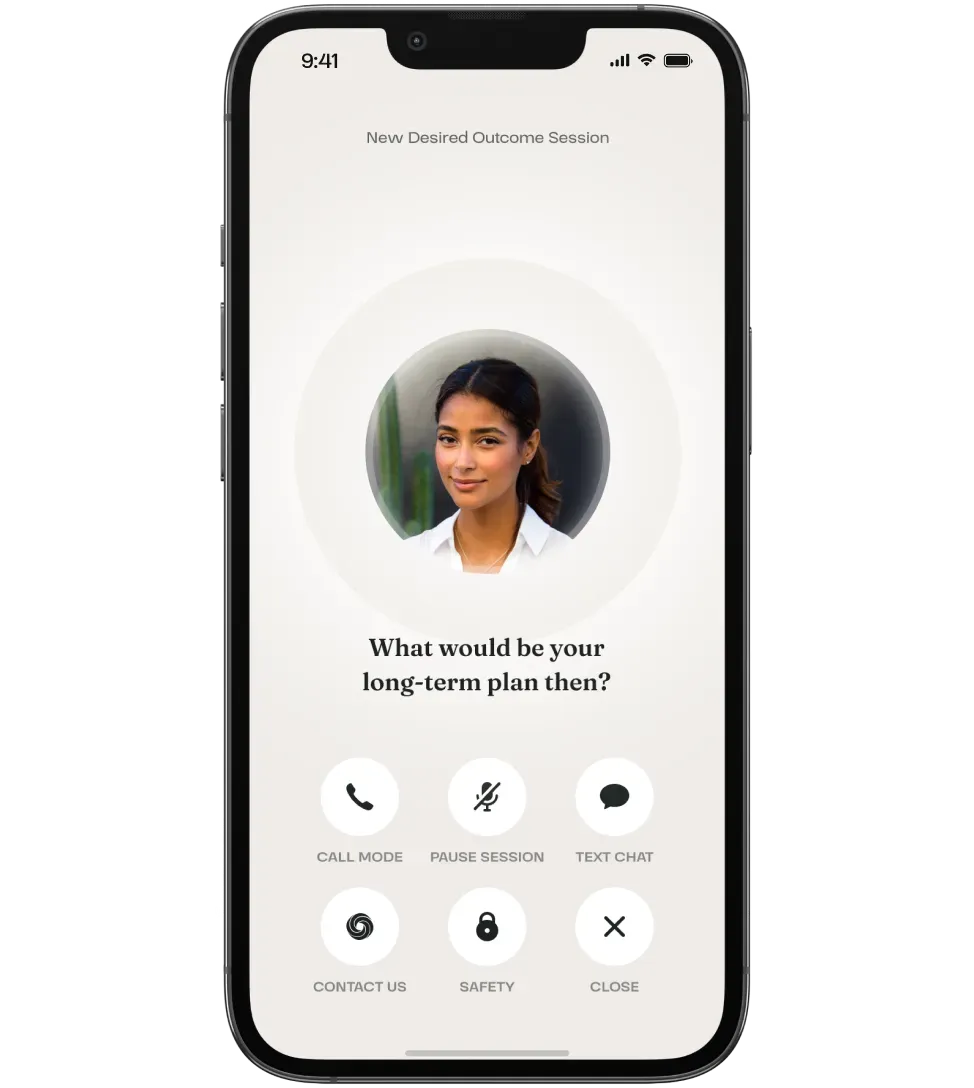
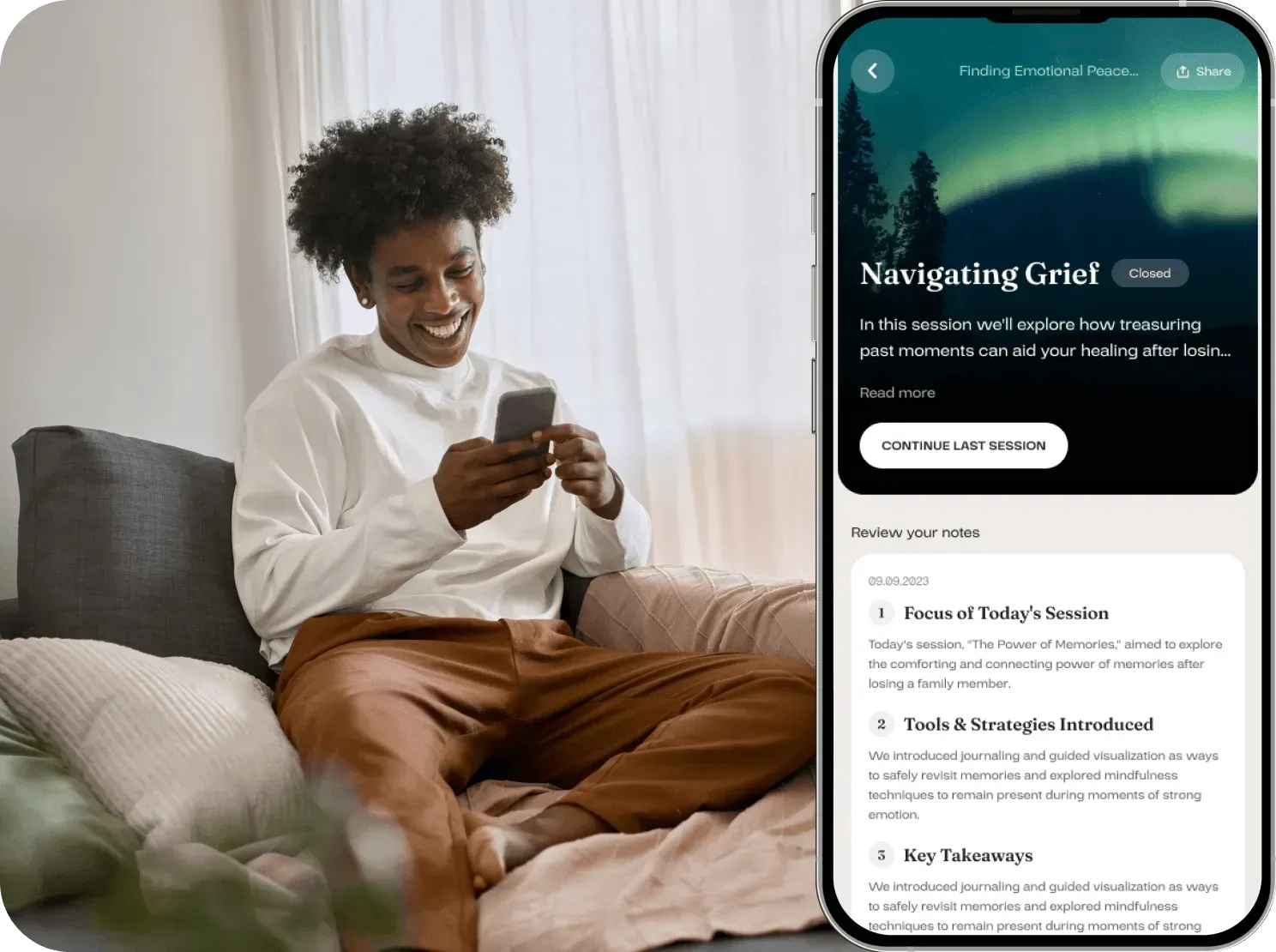
Yuna serves as a gentle mental health coach rather than an AI therapist, helping employees build healthy emotional habits through private and supportive interactions. Its simple check-ins encourage employees to reflect on their emotional states without fear or hesitation.
Because Yuna is available anytime, individuals can seek support whenever stress feels overwhelming. This accessibility helps normalize daily mental health conversations at work.
Yuna also supports a blended care model by using AI for early detection and human experts for deeper emotional guidance. This approach strengthens trust, enhances emotional safety, and helps organizations build cultures rooted in empathy.
FAQs
1. Is it possible to use AI for supporting mental health?
Yes, AI can be used to support mental health through private chatbots, mood trackers, and early-warning systems that detect emotional distress. These tools offer judgment-free spaces for reflection and real-time guidance.
AI can also suggest coping strategies, monitor behavioral patterns, and escalate serious concerns to trained professionals. While it does not replace therapy, AI improves accessibility and encourages people to seek help earlier and more consistently.
2. How is AI reshaping the way people view mental health treatment?
AI is shifting perceptions of mental health care by reducing stigma and making support more accessible. Many people feel safer opening up to AI tools because they offer anonymity and zero judgment. This encourages earlier conversations about stress, anxiety, and burnout.
AI-driven self-check-ins also normalize mental well-being as part of everyday life. As a result, mental health care appears more approachable, proactive, and integrated into daily routines.
3. What are ten ways AI is applied in mental health?
AI supports mental health in several key ways: mood tracking, conversational support, early stress detection, personalized coping suggestions, crisis escalation, sleep pattern monitoring, therapy session analysis, emotional sentiment tracking, digital journaling prompts, and workplace well-being insights.
These capabilities make mental health support more proactive and accessible. AI tools help users recognize emotional changes sooner and encourage regular self-awareness, strengthening long-term mental resilience across personal and professional settings.
4. How can AI enhance the accuracy of mental health diagnosis?
AI can improve mental health diagnosis by analyzing patterns in speech, behavior, activity levels, and mood fluctuations. Machine learning models detect subtle signals that may indicate depression, anxiety, or burnout earlier than traditional methods.
AI also compares large datasets to identify risk markers with greater precision. This supports clinicians with deeper insights, reduces misdiagnosis, and enables faster intervention. Combined with human expertise, AI enhances both accuracy and consistency in mental health assessments.
5. What does an overview of mental health AI include?
A mental health AI overview covers tools and technologies that use machine learning, NLP, and behavioral analytics to support emotional well-being. It includes chatbots, mood trackers, predictive models, and AI-based coaching platforms that encourage daily check-ins and early intervention.
These systems aim to reduce stigma, make support more affordable, and help individuals monitor their emotional patterns. Mental health AI ultimately blends digital guidance with human expertise to create more accessible, scalable care.