
Mental health problems continue to affect millions of men across the world. Recent reports from organizations like the World Health Organization, CDC, NAMI, and other public health groups show rising concerns around depression, suicide, loneliness, and emotional isolation among men.
Many men still avoid therapy or delay asking for help even when they struggle with anxiety, stress, or severe mental health conditions. Suicide rates among men also remain much higher than women in many countries, including the United States, Canada, Australia, and the United Kingdom.
This article shares the latest men’s mental health statistics for 2026. It covers depression rates, suicide trends, loneliness, treatment gaps, workplace stress, and online therapy adoption using recent data from global studies and health reports. All major sources used in this article are listed below for reference.
Key Men’s Mental Health Statistics in 2026
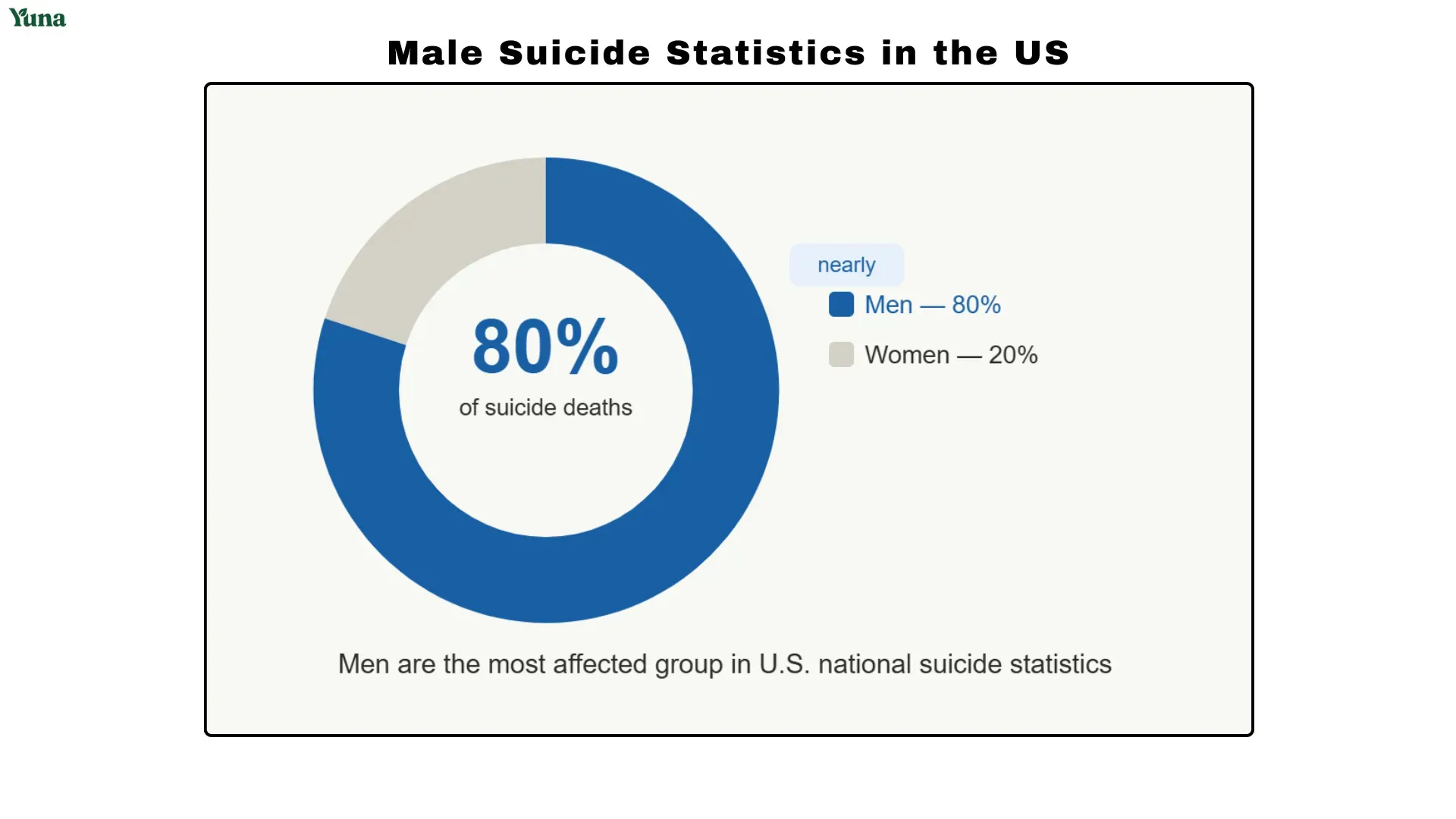
- Nearly 80% of suicide deaths in the United States involve men.
- About one out of every five men faces anxiety or depression each year.
- More than 6 million men in the US live with depression annually.
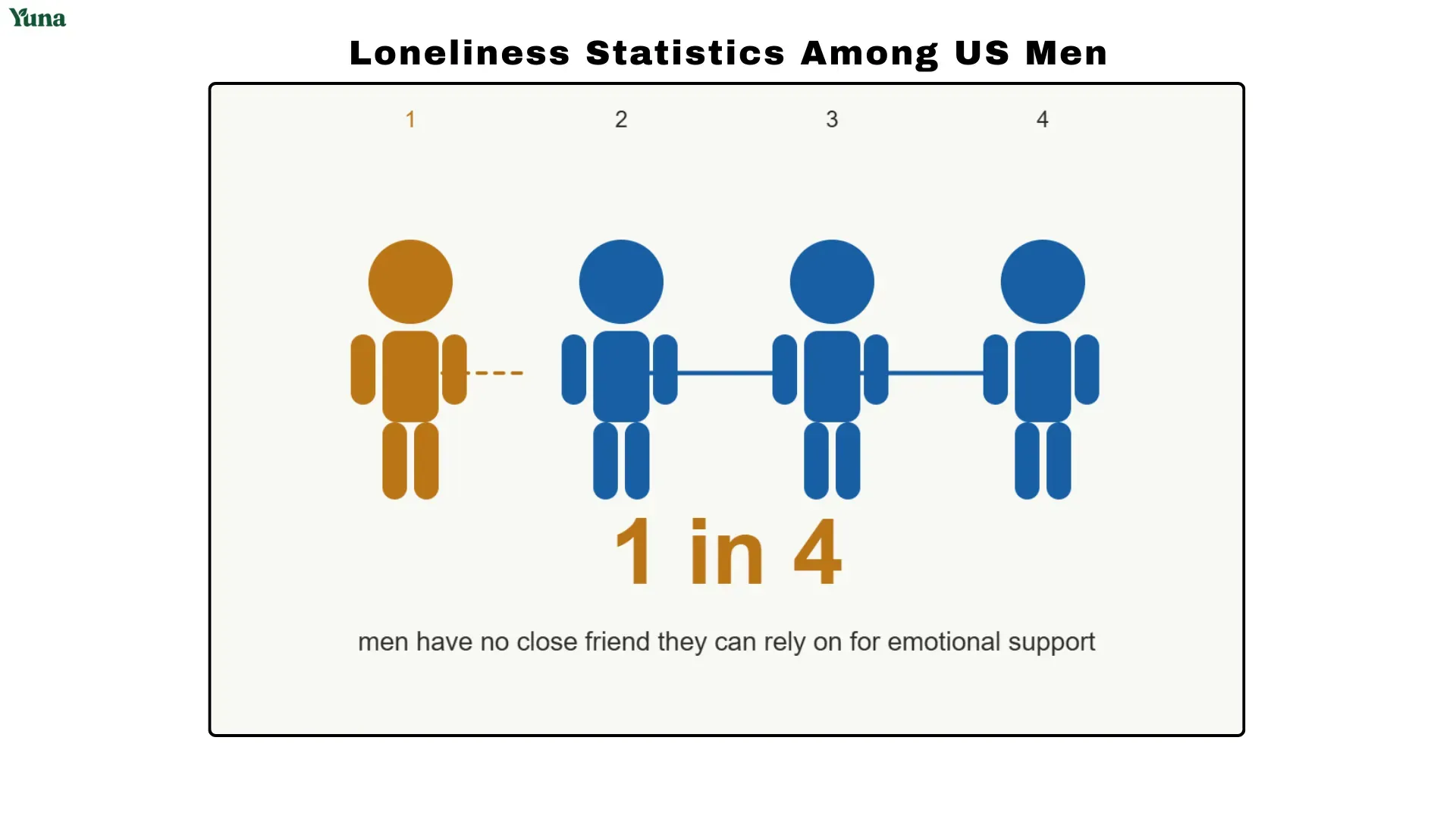
- Around 25% of men in the US say they do not have a close friend.
- Four out of ten men say they would avoid talking to anyone about their mental health struggles.
- Suicide remains one of the top causes of death among men below the age of 35.
- Less than half of men with mental illness receive professional treatment.
- The World Health Organization linked loneliness to more than 871,000 deaths globally every year.
Depression and Anxiety Statistics Among Men
Depression and anxiety continue to affect men across all age groups. Many men struggle with stress, emotional burnout, panic, sadness, or long term mental health conditions without seeking professional support. Recent reports from the US, UK, and Australia show that millions of men continue to live with untreated mental health problems.
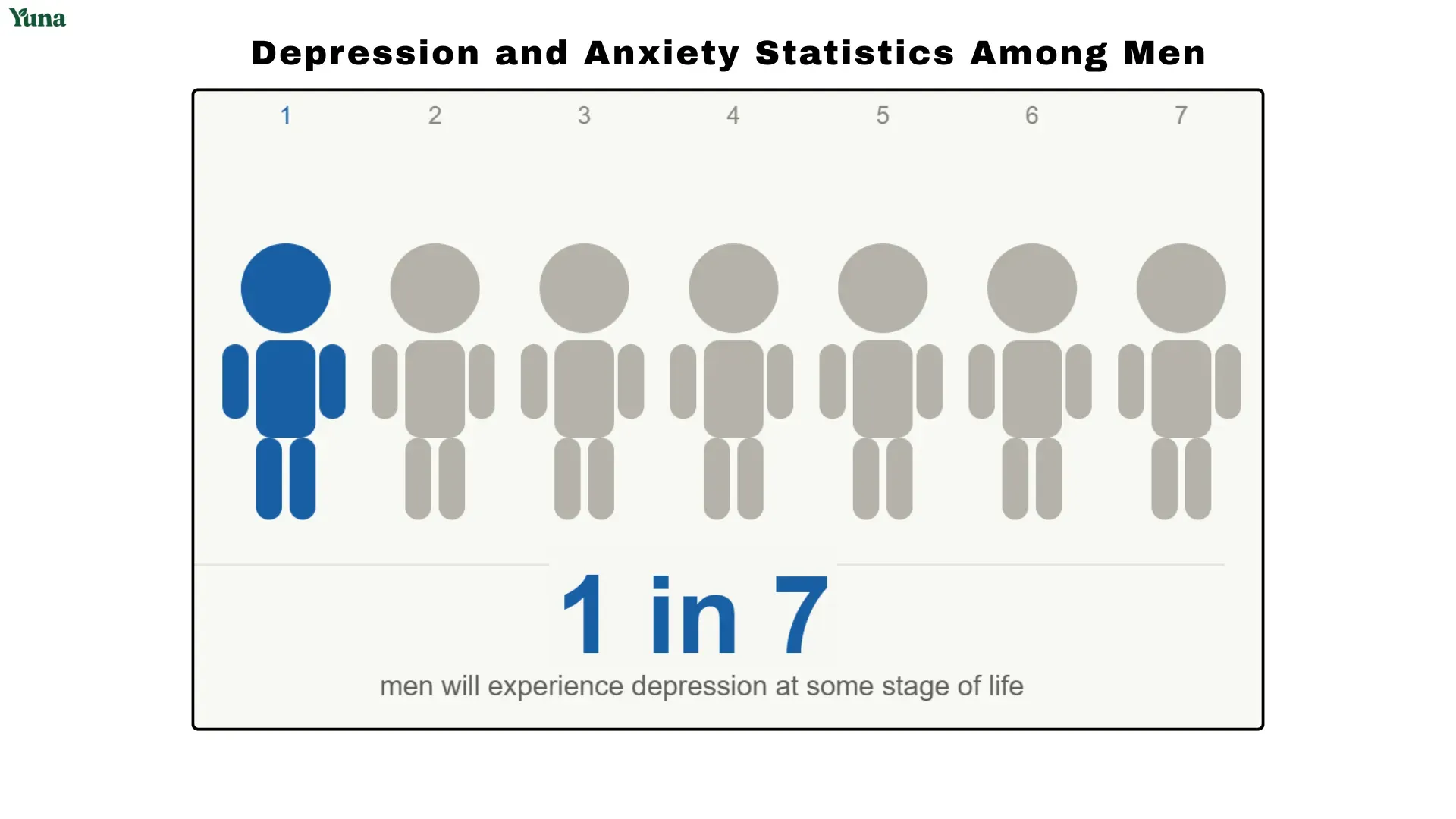
- One in seven men is expected to experience depression at some stage of life, making it one of the most common mental health conditions among men.
- Anxiety also remains widespread, with nearly 20% of men likely to deal with anxiety disorders during their lifetime.
- National surveys in the US found that nearly one out of every ten adult men experienced serious psychological distress in recent years.
- Australia reported that almost 18% of men aged 16 to 85 faced a mental health condition within the previous 12 months.
- Long term mental health concerns remain common in Australia, where nearly 42% of men said they had experienced mental illness at some point in their lives.
- In England, about 15% of men currently live with common mental health disorders such as depression or anxiety.
- Mental health surveys from the United Kingdom also found that around 20% of men experienced psychological distress or common mental health conditions during recent years.
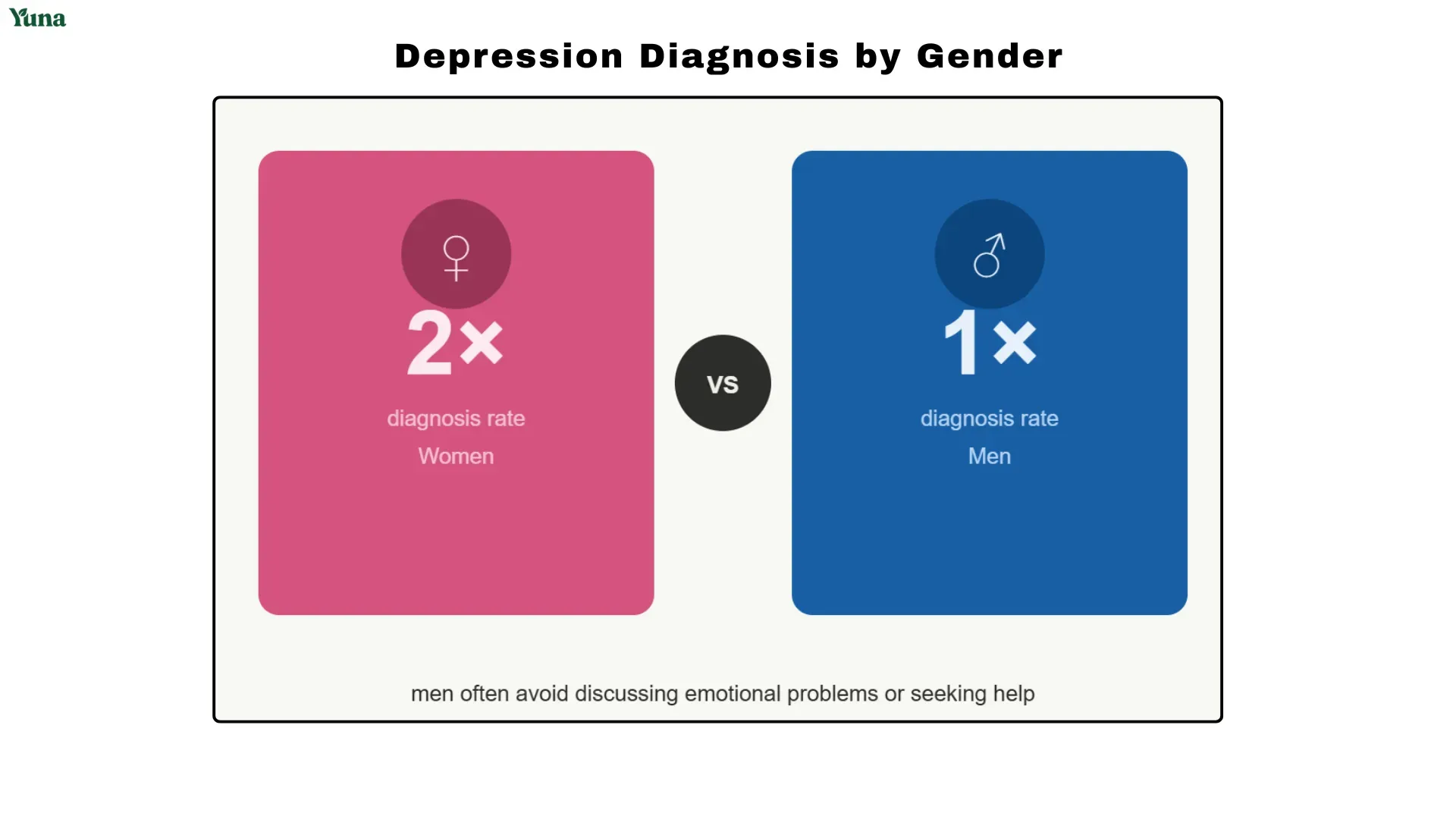
- Women still receive depression diagnoses at nearly twice the rate of men, partly because men often avoid discussing emotional problems or seeking help.
- In 2022, around 6.8% of adult men in the United States reported symptoms of depression, according to national health surveys.
Male Suicide Statistics
Suicide continues to remain one of the most serious mental health concerns affecting men worldwide. Recent reports from the United States, Canada, Australia, and global health organizations show that men face much higher suicide risks than women. Many cases also connect with loneliness, untreated depression, emotional isolation, and limited access to support.
- Men account for nearly 80% of all suicide deaths in the United States, making them the most affected group in national suicide statistics.
- Compared to women, men are around four times more likely to die by suicide, even though women report more suicide attempts overall.
- Suicide ranks as the second leading cause of death for people aged 44 and younger in the United States.
- Among Americans between 45 and 54 years old, suicide remains the fifth leading cause of death.
- Firearms were involved in nearly 55% of male suicide deaths in the US, contributing to higher fatality rates among men.
- Older men also remain highly vulnerable, with men aged 75 and above recording the highest suicide rates in the country.
- The World Health Organization reported more than 727,000 suicide deaths globally in 2021, with men representing a major share of those deaths across many countries.
- In Australia, men are around three times more likely to die by suicide than women, and suicide remains the leading cause of death among males aged 15 to 44.
- Canada also reported major gender differences in suicide deaths, with males accounting for nearly 80% of suicide related deaths in 2022.
Loneliness and Social Isolation Statistics Among Men
Loneliness and emotional isolation continue to affect millions of men across different age groups. Many men struggle to build close friendships or openly discuss emotional problems, which increases the risk of depression, anxiety, and suicidal thoughts. Recent studies also connect long term loneliness with serious physical and mental health problems.
- The World Health Organization reported that one out of every six people globally experiences loneliness, which now contributes to more than 871,000 deaths every year.
- In the United States, around one in four men say they do not have a close friend they can rely on for emotional support.
- Men are nearly 50% less likely than women to contact friends or family members when they feel lonely or emotionally overwhelmed.
- More than half of men surveyed said they struggle to openly discuss their feelings with close friends or social circles.
- Research from Australia found a strong connection between loneliness, depression, and suicidal thoughts among men.
- In Australia, about 14% of men said they did not know anyone they could comfortably speak with about personal struggles or mental health problems.
- Men aged between 45 and 59 in the United Kingdom reported the lowest levels of life satisfaction compared to any other age group in the country.
Men and Mental Health Treatment Statistics
Many men continue to avoid therapy or delay getting professional help even when they experience serious mental health symptoms. Stigma, embarrassment, social pressure, and lack of emotional support remain some of the biggest barriers to treatment across different countries.
- Studies found that nearly half of men living with depression or anxiety never receive proper treatment or professional support.
- According to NAMI, only 45.9% of American men with a mental illness received treatment during the previous year.
- In Australia, just 37% of men and boys said they actively reach out for support when dealing with emotional or mental health struggles.
- Research from Australia found that around 26% of men delayed visiting a doctor even when they needed mental health support.
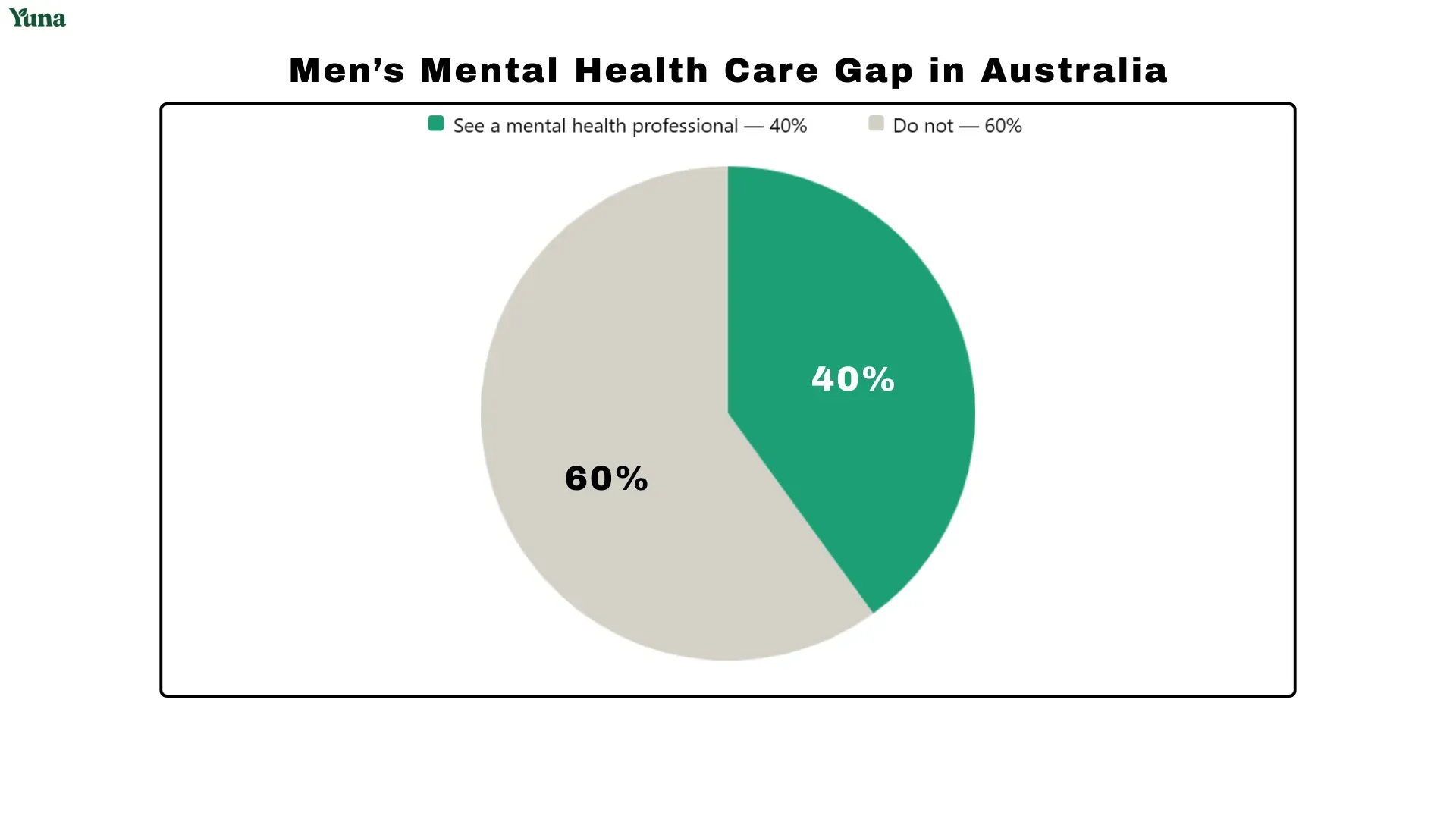
- Australian studies also found that while many men visit general doctors, only around 40% actually meet with a mental health professional for specialized treatment.
- Canadian surveys found that around 20% of respondents avoided talking to anyone about their mental health symptoms despite struggling emotionally.
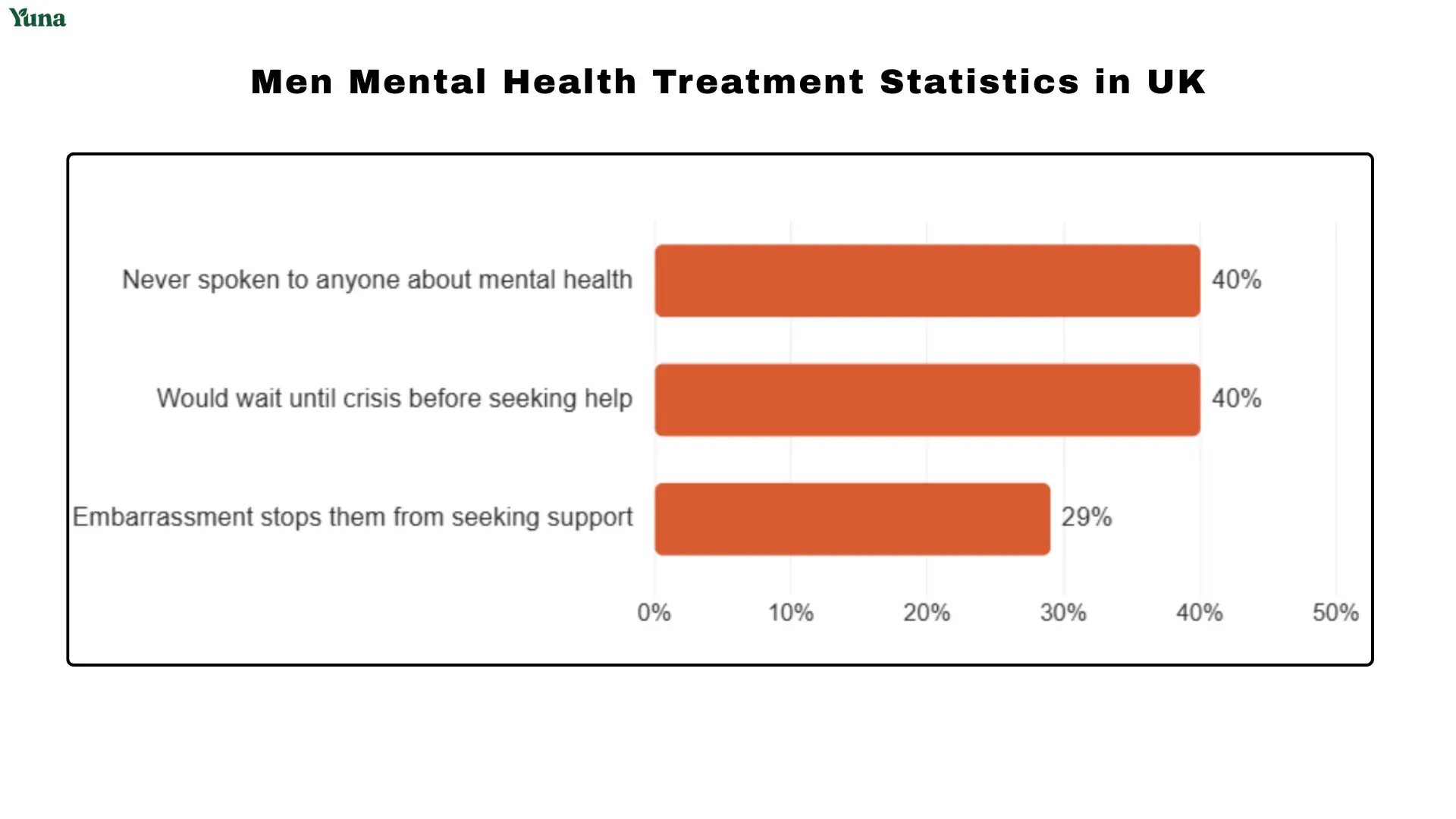
- In the United Kingdom, 40% of men said they had never spoken to anyone about their mental health concerns.
- Another UK survey found that 40% of men would wait until they experienced suicidal thoughts or self harm before seeking professional help.
- Around 29% of UK men said embarrassment stops them from asking for mental health support or therapy.
- In 2022, around 54% of adult men in the United States with depression did not receive any form of mental health treatment.
Workplace and Economic Impact of Men’s Mental Health
Mental health problems affect not only personal wellbeing but also workplace performance, productivity, physical health, and long term financial stability. Rising stress levels, burnout, untreated depression, and emotional exhaustion continue to create major social and economic challenges across different countries.
- Depression and anxiety lead to nearly $1 trillion in lost productivity worldwide every year, according to global health estimates.
- Employer spending on mental health benefits in the United States increased from $10.5 billion in 2019 to $16.5 billion in 2023 as companies responded to rising mental health concerns among workers.
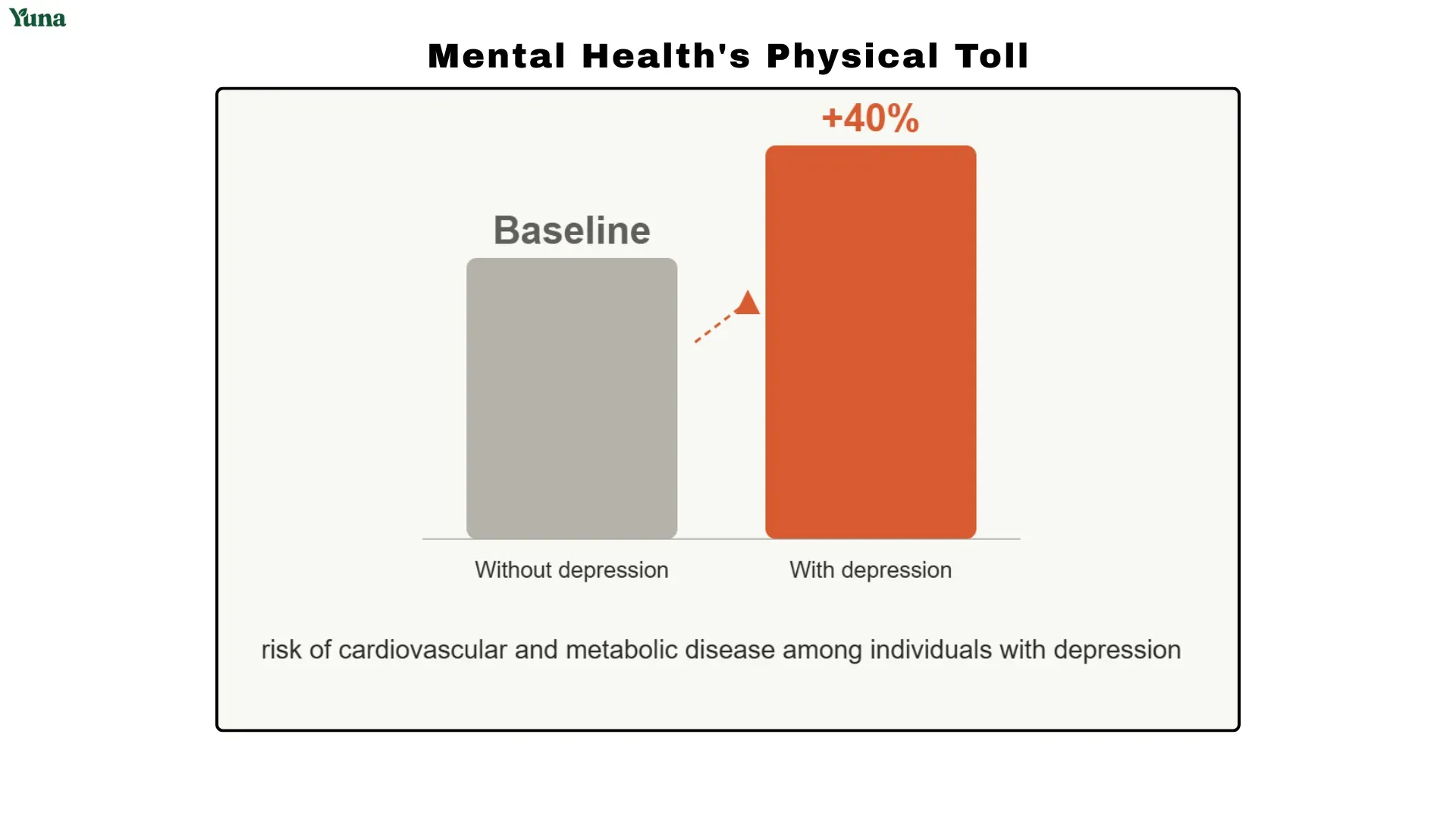
- Depression also increases physical health risks, with studies showing a 40% higher chance of developing cardiovascular and metabolic diseases among affected individuals.
- Australian health reports found that mental health and substance use disorders contribute to around 13% of the total disease burden among men.
- Surveys from the United States showed that nearly half of men believe their jobs negatively affect their mental health in some way.
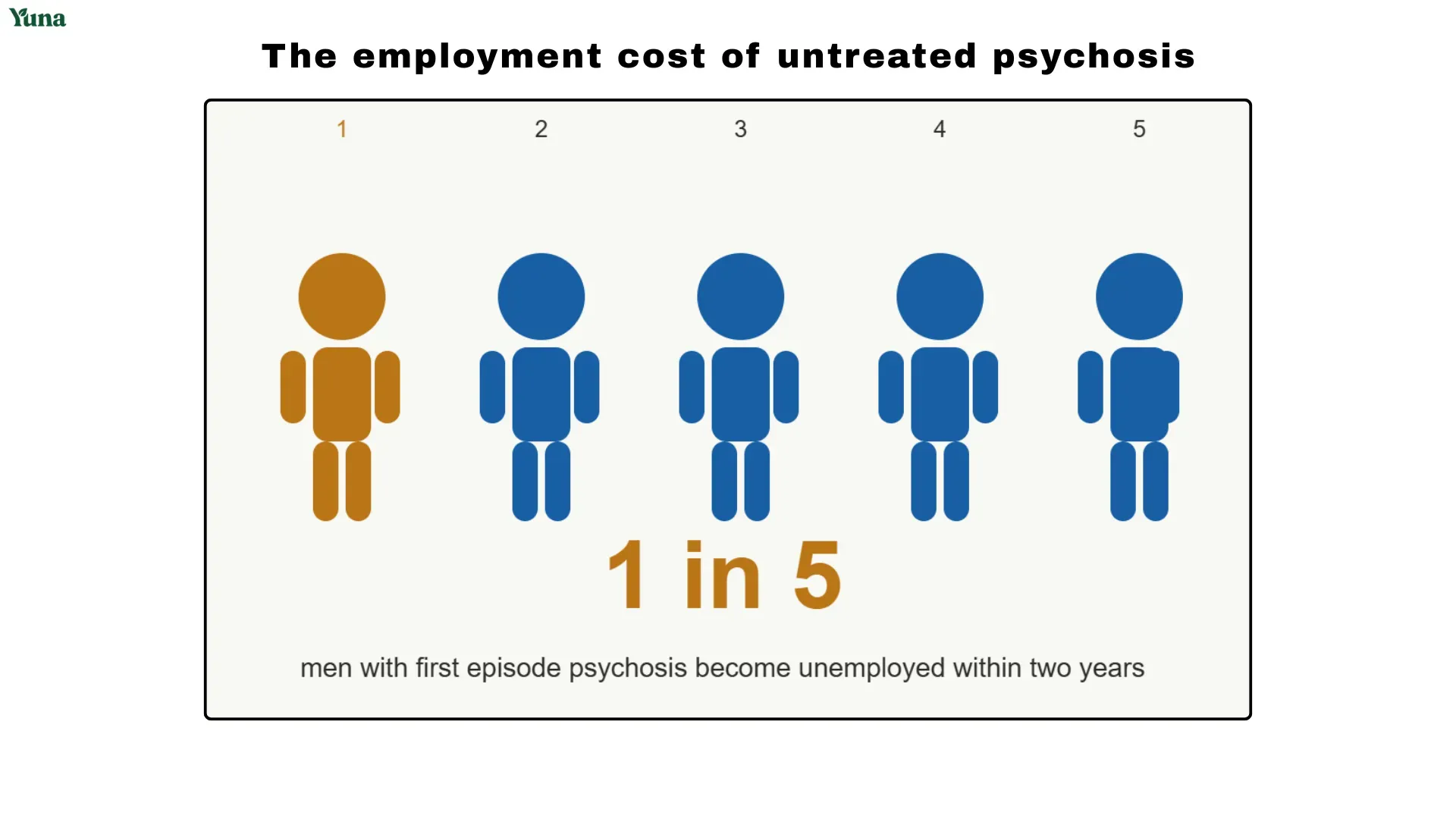
- Research on psychosis treatment found that one in five men who experience first episode psychosis become unemployed within two years.
- Australian research reported that nearly 90% of men with depression also experience insomnia, which increases the risk of worsening mental health conditions and relapse.
- UK surveys identified work related pressure as one of the leading causes of emotional stress and mental health struggles among men.
Online Therapy and Digital Mental Health Trends
Online therapy and digital mental health platforms continue to grow as more men look for private and flexible ways to access support. Virtual counseling, therapy apps, and remote mental health services have become more common in recent years, especially among younger age groups.
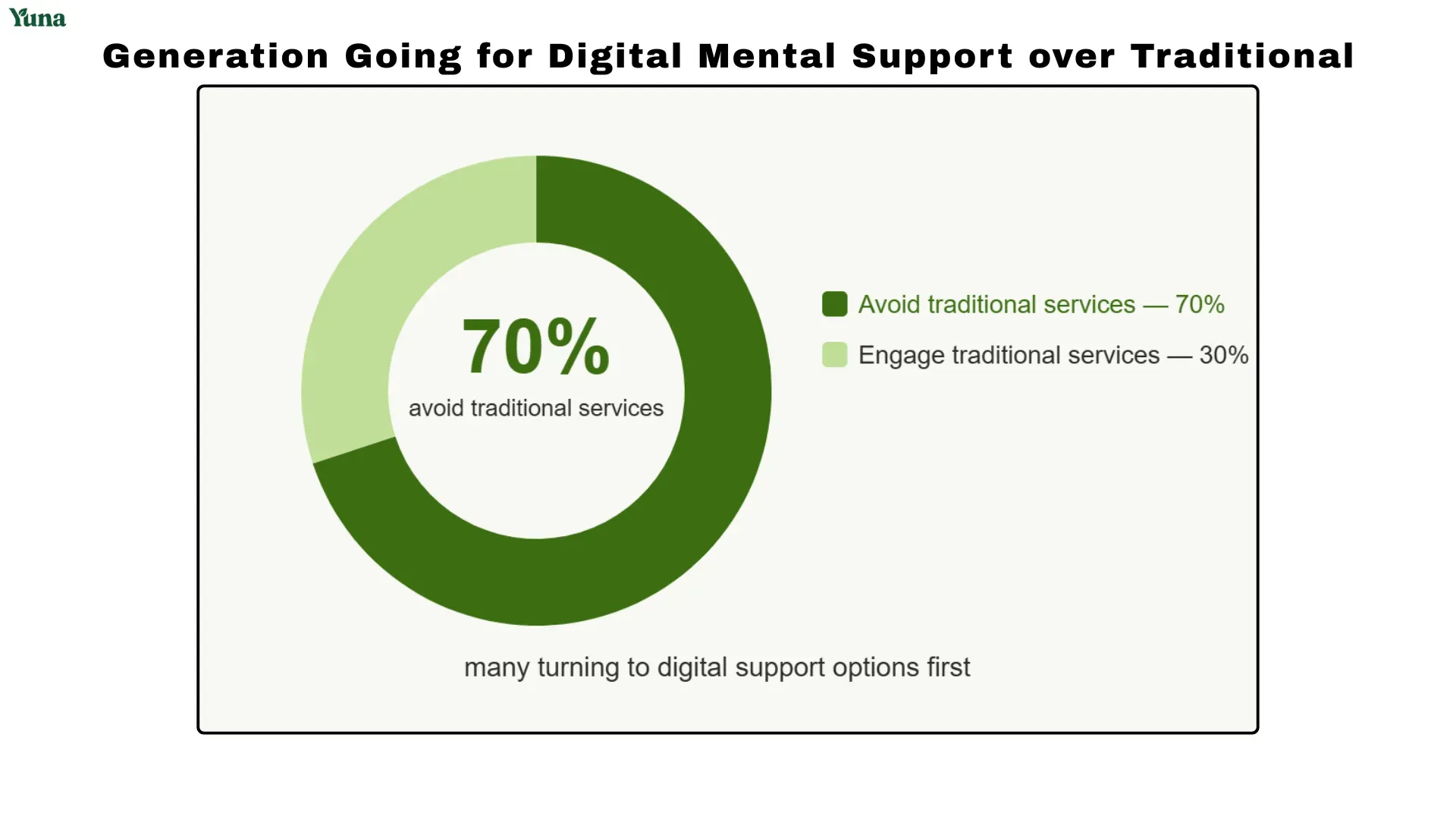
- Research from the United States found that up to 70% of young men avoid traditional mental health services, leading more younger users to explore digital support options first.
- The global online therapy and teletherapy market reached an estimated value of $8.1 billion in 2023 as demand for remote mental health services continued growing.
- Market forecasts predict a 3.6% annual growth rate for online mental health services between 2024 and 2030.
- American Behavioral Clinics reported a 30% increase in male patients choosing online counseling services in recent years.
- Crisis Text Line data showed that men made up less than 20% of people reaching out for support through digital crisis services.
Improving Mental Health Access for Men in 2026 with YUNA
Men’s mental health continues to remain a serious global health concern. Recent statistics show rising levels of depression, anxiety, loneliness, emotional isolation, and suicide among men across different age groups.
Many men still avoid discussing emotional struggles or seeking professional support even when they experience severe mental health symptoms. Social stigma, workplace pressure, financial stress, and lack of emotional support continue to prevent early treatment in many cases.
At the same time, growing awareness around workplace wellbeing and digital mental health support is helping more people access care in flexible and private ways. A mental health coach like Yuna is a part of this shift, offering AI powered emotional support, workplace wellness tools, and 24/7 mental health assistance designed to help employees manage stress, burnout, and emotional challenges more easily.
As mental health concerns continue rising worldwide, organizations, healthcare providers, employers, and communities will need to focus more on early support, accessible care, emotional wellbeing, and open conversations around mental health.
Data Sources
- rate the article:
- https://americanbehavioralclinics.com/mens-mental-health-in-2026-breaking-silence-and-building-strength/
- https://www.thezebra.com/resources/research/mental-health-statistics/
- https://gitnux.org/mens-mental-health-statistics/
- cdc.gov/nchs/data/databriefs/db457.pdf
- jamanetwork.com/journals/jamapsychiatry/fullarticle/2377028
- samhsa.gov/data/sites/default/files/reports/rpt22221/2022-nsduh-depression-treatment.pdf
- grandviewresearch.com/industry-analysis/online-mental-health-therapy-market
- psycnet.apa.org/record/2022-00358-001
- tandfonline.com/doi/10.1080/16506073.2020.1827427
- https://www.nami.org/stay-connected/events/awareness-events/mens-health-month/
- https://adaa.org/find-help/by-demographics/mens-mental-health
- https://www.nimh.nih.gov/health/statistics/suicide
- https://www.mhanational.org/infographic-mental-health-men
- https://mhanational.org/wp-content/uploads/2025/09/State-of-Mental-Health-2025.pdf
- https://hospitalresearch.org.au/research-area/mens-mental-health-research/
- https://www.aihw.gov.au/reports/mens-health/health-of-men
- https://www.beyondblue.org.au/mental-health/mens-mental-health
- https://aifs.gov.au/tentomen/insights-report/mental-health-australian-males-depression-suicidality-and-loneliness
- https://www.mentalhealth.org.uk/explore-mental-health/statistics/men-women-statistics
- https://www.priorygroup.com/blog/40-of-men-wont-talk-to-anyone-about-their-mental-health
- https://dph.illinois.gov/topics-services/life-stages-populations/mens-health/facts-and-statistics/mental-health.html
- https://www.nami.org/mental-health-by-the-numbers/
- https://www.aamc.org/news/men-and-mental-health-what-are-we-missing
- https://www.comparethemarket.com.au/health-insurance/features/mens-mental-health-report-2026/